

Compare models

Galaxy Tab A11 (8.7", 2025) Vs Galaxy Tab S9 Ultra (14.6", 2023)

  • 1-year minimum warranty
  • Free delivery on all orders
  • Free 30-day returns
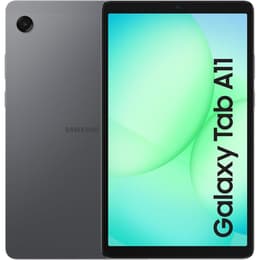
Galaxy Tab A11 (8.7", 2025)
Starting at

Refurbished price:184.00

Versus €255.86 new

See options
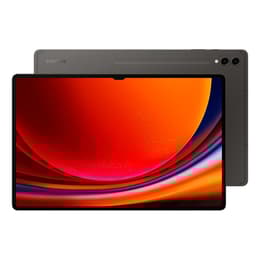
Galaxy Tab S9 Ultra (14.6", 2023)
Starting at

Refurbished price:658.80

Versus €1,569.00 new

See options

Differences at a glance

The Samsung Galaxy Tab A11 (2025) and the Samsung Galaxy Tab S9 Ultra (2023) are two distinct tablet models designed for entirely different use cases within Samsung's ecosystem. While the Galaxy Tab A11 serves as a compact, entry-level device built for portable everyday tasks, the Galaxy Tab S9 Ultra functions as a massive, high-end productivity powerhouse. These devices differ significantly in physical size, processing capability, and display technology, while both operate on Samsung's customizable user interface built over the Android operating system.

Available Models

Colour

Storage (GB)

Scores

Durability

When evaluating the lifecycle and longevity of these two tablets, differences in their release timelines and hardware classes shape how long they remain supported and functional for daily use.

  • Software Support and Updates: The Galaxy Tab A11 benefits from a newer release year, providing an extended software support window that stretches well into future Android generations. The Galaxy Tab S9 Ultra, launched earlier, occupies a flagship tier that also receives extended software patches, though its timeline began earlier in the hardware cycle.
  • Repairability and Build Longevity: Both devices follow modern manufacturing standards with sealed chassis designs that require professional service for internal component repairs. Users choosing a quality-assured refurbished option from sustainable channels can extend the operational life of either model while reducing electronic waste.
  • Expected Practical Lifespan: The Tab S9 Ultra's high-end hardware configuration provides more performance headroom for future software demands, whereas the Tab A11 relies on efficient resource management suited for long-term basic tasks.

Year of Release

2025

2023

Compatible with latest Update

Yes

Yes

OS

Android

Android

Performance

Performance capabilities vary widely between these devices, reflecting their distinct positions as a compact everyday tablet versus a desktop-replacement powerhouse.

  • Multitasking and Processing: The Galaxy Tab A11 handles routine tasks such as web browsing, streaming video, and light reading smoothly with its octa-core processor and standard memory configurations. In contrast, the Galaxy Tab S9 Ultra features high-tier processing hardware and extensive RAM options that effortlessly manage heavy multitasking, professional creative software, and intensive gaming.
  • Storage and Battery Behavior: Internal storage configurations vary across both models, with microSD card expansion supported on the smaller device for flexible media storage. Battery endurance differs based on screen size and workloads, with the compact model managing daily light usage efficiently, while the Ultra model utilizes a large battery capacity to sustain its expansive display through full workdays.
  • System Responsiveness: Navigation across menus and switching between multiple active applications feels consistently fluid on both devices, though the flagship hardware handles heavy background tasks with greater speed.

Screen quality

Display characteristics represent the most visible distinction between these two models, offering entirely contrasting viewing experiences.

  • Display Technology: The Galaxy Tab A11 utilizes a compact 8.7-inch TFT LCD panel with a practical resolution and a smooth 90Hz refresh rate for fluid scrolling. Conversely, the Galaxy Tab S9 Ultra features a massive 14.6-inch Dynamic AMOLED 2X display delivering deep contrast levels, vivid colors, and HDR support for immersive media consumption.
  • Brightness and Outdoor Legibility: The AMOLED panel on the larger model achieves high peak brightness levels that counter outdoor glare effectively, while the compact TFT screen performs reliably under standard indoor and shaded outdoor lighting conditions.
  • Viewing Workspace: Users evaluating screen real estate will find the expansive canvas of the Ultra model well-suited for split-screen productivity and digital drawing, while the smaller model prioritizes single-handed portability.

Resolution

800x1340

1848 x 2960

Pixel density

180ppp

240ppp

Audiovisual

Camera systems and multimedia features on both tablets cater primarily to casual capture, video conferencing, and media playback rather than professional photography.

  • Camera Capabilities: The Galaxy Tab A11 includes a standard rear camera and a front-facing lens adequate for casual snapshots and video calls. The Galaxy Tab S9 Ultra equips a dual rear camera array alongside an ultra-wide front sensor, offering expanded framing options for group video meetings.
  • Audio Output: Both models feature multi-speaker sound systems tuned with spatial audio technology, delivering clear dialogue and balanced audio output for movies and music.
  • Video Recording: Both tablets support high-definition video recording suitable for casual recording and virtual communication needs.

Miscellaneous

Practical design choices and physical dimensions define how easily each device integrates into different daily routines and travel habits.

  • Portability and Handling: The Galaxy Tab A11 weighs significantly less and features a compact 8.7-inch form factor, making it easy to slip into small bags or hold for extended reading sessions. The Galaxy Tab S9 Ultra is exceptionally thin yet wide and heavy due to its 14.6-inch screen, favoring stationary use or desk setups with a keyboard case.
  • Connectivity Options: Both models support reliable wireless networks, Bluetooth standards, and USB-C ports for data transfer and charging, with select variants offering cellular data connectivity.
  • Security and Sensors: Biometric authentication methods differ, with the smaller model relying on facial recognition and standard sensors, while the Ultra variant integrates an advanced in-display fingerprint scanner.

Weight

335 g

129 g

Screen size (in)

8.7

14.6

Network

Wi-Fi

Wi-Fi

Carrier compatibility

Without SIM Port

Unlocked

Connector

USB Type-C

USB Type-C

What the community thinks

Choosing between the Samsung Galaxy Tab A11 and the Galaxy Tab S9 Ultra depends entirely on intended daily use cases and portability requirements rather than direct competition. Users prioritizing maximum portability, compact dimensions for reading, and straightforward everyday tasks will find the Galaxy Tab A11 well-suited to their needs. Conversely, users who require an expansive workspace for multitasking, professional creative work, or immersive media viewing will naturally lean toward the Galaxy Tab S9 Ultra.

Common praise for the Tab A11 centers on its lightweight handling and efficient everyday usability, while users frequently highlight the stunning visual clarity and workspace size of the Tab S9 Ultra. Both devices offer distinct advantages depending on whether mobility or screen estate takes priority. Exploring a quality-assured refurbished option provides a sustainable choice for acquiring either device while supporting eco-friendly technology consumption.


Our recent comparisons