

Compare models
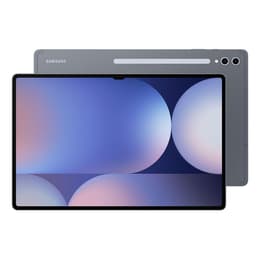
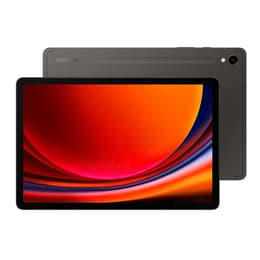
Galaxy Tab S10 Ultra (14.6", 2024) Vs Galaxy Tab S9 (11.0", 2023)
- 1-year minimum warranty
- Free delivery on all orders
- Free 30-day returns
Differences at a glance
The Samsung Galaxy Tab S10 Ultra (2024) and the Samsung Galaxy Tab S9 (2023) represent different approaches to premium Android tablets, spanning distinct size classes and release years. While the Galaxy Tab S10 Ultra provides a sweeping workspace with its expansive form factor, the Galaxy Tab S9 prioritizes a compact, highly portable build. Both devices run on Android with Samsung's software interface, delivering long-term feature support, yet they cater to entirely different daily workflows.
Available Models
Colour
Storage
Scores
Durability
When evaluating structural longevity and software support, both tablets offer robust lifespans aligned with their respective launch timelines.
- Software Lifecycle: The Galaxy Tab S10 Ultra benefits from a later release year, extending its window of major operating system upgrades and security patches compared to the slightly older Galaxy Tab S9.
- Repairability and Build: Both models feature durable aluminum frames and dust-and-water resistance ratings, though their complex internal layouts mean professional assistance is recommended for hardware repairs.
- Expected Lifespan: Both options maintain strong structural and software durability, making quality-assured refurbished models a sustainable choice for long-term daily use.
Year of Release
2024
2023
Compatible with latest Update
Yes
Yes
OS
Android
Android
Performance
Underneath the exterior, these tablets handle multitasking, media consumption, and daily applications using powerful hardware configurations suited to different user demands.
- System Responsiveness: Both devices load heavy apps quickly and transition between split-screen tasks smoothly, though the newer Galaxy Tab S10 Ultra includes higher baseline random access memory options for intensive multitasking.
- Storage Configurations: Both models support generous internal storage capacities alongside expandable storage via a microSD card slot for media libraries.
- Battery Behavior: The Galaxy Tab S9 manages energy efficiently in a compact footprint, while the larger Galaxy Tab S10 Ultra houses a substantially higher capacity battery to sustain its massive screen during extended work sessions.
Screen quality
Visual immersion is a primary differentiator between these two models, driven largely by contrasting physical dimensions and panel areas.
- Display Technology: Both tablets utilize vibrant OLED screens with deep contrast levels, high refresh rates for smooth scrolling, and strong peak brightness for outdoor readability.
- Screen Scale: The Galaxy Tab S9 offers an 11.0-inch canvas that balances portability with comfortable viewing, whereas the Galaxy Tab S10 Ultra features an expansive 14.6-inch workspace resembling a laptop replacement.
- Viewing Experience: The compact screen suits reading and note-taking on the move, while the ultra-large display excels at multi-window productivity and cinematic media viewing.
Resolution
1848 x 2960
1600 x 2560
Screen type
Dynamic AMOLED 2X
Dynamic AMOLED 2X
Pixel density
240ppp
280ppp
Audiovisual
Multimedia capabilities and hardware provisions cater well to everyday documentation, video calls, and audio playback.
- Camera Systems: The Galaxy Tab S9 utilizes a single rear camera and a front-facing lens, while the Galaxy Tab S10 Ultra adds an ultra-wide secondary sensor on the back to capture broader fields of view.
- Video Calls: Both devices feature high-resolution front-facing cameras positioned appropriately for landscape video conferencing, accompanied by clear multi-microphone arrays.
- Audio Output: Quad-speaker setups tuned with spatial audio support deliver rich, balanced sound output for streaming media and casual gaming without external accessories.
Miscellaneous
Practical everyday features shape how easily these tablets integrate into travel bags, desks, and mobile setups.
- Portability: The Galaxy Tab S9 weighs significantly less and slips easily into small bags, whereas the Galaxy Tab S10 Ultra requires a larger footprint and heavier carrying profile.
- Stylus Inclusion: Both models ship with a responsive stylus included in the box, featuring low latency for sketching, writing, and navigating documents.
- Connectivity: Both tablets support fast wireless standards and reliable Bluetooth pairing, with optional cellular configurations available for mobile data access.
Weight
576 g
129 g
Screen size (in)
14.6
11.0
Network
Wi-Fi
Wi-Fi
Carrier compatibility
Unlocked
Unlocked
Connector
USB Type-C
USB Type-C
What the community thinks
User discussions across community forums highlight distinct preferences for each device based on physical scale and use cases. Owners of the Galaxy Tab S9 frequently praise its lightweight handling, pocket-friendly portability, and comfortable one-handed reading experience. Conversely, users of the Galaxy Tab S10 Ultra highlight the expansive screen workspace as a primary benefit for side-by-side app multitasking and digital art creation, though some note that its large footprint is less convenient for casual handheld use.
Users prioritizing maximum portability, comfortable handheld reading, and a compact travel footprint will find the Galaxy Tab S9 well-suited to their needs. Meanwhile, users prioritizing a sprawling multi-window workspace, laptop-like productivity, and an immersive media screen may prefer the Galaxy Tab S10 Ultra. Choosing a quality-assured refurbished option provides a sustainable way to acquire either model while reducing electronic waste.