
Google Pixel 8 Vs Google Pixel 8a

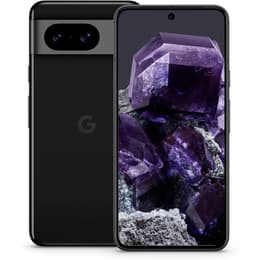
Google Pixel 8
Google Pixel 8
Starting at

Refurbished price:260.00

Versus €819.97 new

See options
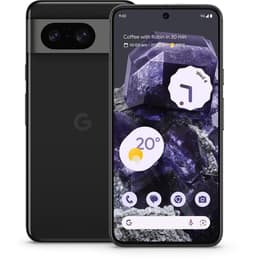
Google Pixel 8a
Google Pixel 8a
Starting at

Refurbished price:242.00

Versus €549.00 new

See options

Ratings

The Google Pixel 8, released in October 2023, and the Google Pixel 8a, launched in May 2024, are both Android smartphones from Google's Pixel series. While sharing the same core processor and software experience, the Pixel 8 offers a slightly more refined build and advanced camera hardware, whereas the Pixel 8a provides a similar user experience with some adjustments to its display and physical construction. Both devices run on Android 14 and are part of Google's commitment to extended software support.

Scores

Durability

When considering the longevity of these devices, both the Pixel 8 and Pixel 8a benefit from Google's commitment to extended software support, ensuring they remain functional and secure for many years.

  • Software Updates: Both the Pixel 8 (October 2023) and Pixel 8a (May 2024) are promised seven years of OS, security, and Feature Drop updates from their respective release dates, meaning the Pixel 8a will receive support for a few months longer due to its later launch.
  • Physical Durability: The Pixel 8 features Gorilla Glass Victus for screen protection and an IP68 rating for dust and water resistance, indicating a higher level of protection against environmental elements. The Pixel 8a uses Gorilla Glass 3 and has an IP67 rating, offering good, but slightly less robust, protection.
  • Repairability: The Pixel 8 generally receives moderate repairability scores, with some sources giving it around 5.5 to 7 out of 10, noting that screen and parts availability are good, though battery replacement can be challenging due to adhesives. The Pixel 8a also has moderate repairability, with some assessments around 4.5 out of 10, citing strong adhesives and a soldered charging port as potential difficulties for repairs.

Year of Release

2023

2024

Compatible with latest Update

Yes

Yes

OS

Android

Android

Foldable

No

No

Performance

Both the Google Pixel 8 and Pixel 8a are powered by the same advanced processor, ensuring a consistent and capable user experience across a range of tasks.

  • Processing Power: Equipped with Google's Tensor G3 processor, both devices handle demanding applications and multitasking smoothly. This processor is designed to optimize AI-driven features and overall system responsiveness, providing a fluid experience for daily use, from browsing to gaming.
  • Storage and RAM: Both models come with 8GB of RAM, which is sufficient for efficient multitasking and app management. They offer storage options of 128GB or 256GB, utilizing UFS 3.1 technology for fast data access and app loading.
  • Battery Behavior: The Pixel 8 has a 4575 mAh battery, while the Pixel 8a features a 4492 mAh battery. In real-world usage, both phones are designed to last a full day for most users, with the Tensor G3 contributing to power efficiency. Some users report the Pixel 8a's battery life to be comparable to or even slightly better than the Pixel 8 in certain scenarios, particularly for video playback, though the Pixel 8 may have a slight edge in web browsing and gaming.

Memory (GB)

8 GB

8 GB

Screen quality

The visual experience on both Pixel phones is vibrant and clear, though there are subtle differences in their display technology and protection.

  • Display Technology and Size: The Pixel 8 features a 6.2-inch OLED display, while the Pixel 8a has a slightly smaller 6.1-inch OLED panel. Both offer FHD+ resolution (2400 x 1080 pixels), resulting in sharp images and text.
  • Brightness and Refresh Rate: Both displays support a 120Hz adaptive refresh rate, providing smooth scrolling and animations, and can reach a peak brightness of 2000 nits, ensuring good visibility even in bright outdoor conditions. The Pixel 8a's display is noted for its color accuracy.
  • Screen Protection: The Pixel 8 is protected by Gorilla Glass Victus, offering enhanced scratch and drop resistance. The Pixel 8a uses Gorilla Glass 3, which provides a good level of protection but is less advanced than the Victus glass.

Resolution

1080 x 2400

1080 x 2400

Screen type

OLED

OLED

Audiovisual

Both Pixel devices are known for their strong camera performance, leveraging Google's computational photography to deliver high-quality images, though they feature different sensor specifications.

  • Main Camera System: The Pixel 8 is equipped with a 50MP main camera (f/1.68) with a larger sensor and pixel size, alongside a 12MP ultrawide lens. The Pixel 8a features a 64MP main camera (f/1.89) and a 13MP ultrawide lens. Despite the Pixel 8a's higher megapixel count, the Pixel 8's larger sensor generally allows it to capture more light, which can result in better overall image quality, particularly in challenging lighting conditions.
  • Photography Features: Both phones excel in point-and-shoot photography, producing images with accurate colors and good dynamic range. They benefit from Google's AI-powered features like Magic Eraser and Magic Editor for photo editing. The Pixel 8a's camera is praised for its reliable performance in various lighting, including low light.
  • Video and Audio: Both devices support 4K video recording at 30 or 60 frames per second. For audio, both include stereo speakers, though some users have noted the Pixel 8a's speakers might not be as loud or clear as expected.

Main camera

50 megapixels

64 megapixels

Front camera

10.5 megapixels

13 megapixels

Miscellaneous

Beyond core specifications, several practical elements differentiate the user experience and overall utility of the Pixel 8 and Pixel 8a.

  • Connectivity and Ports: Both phones support 5G connectivity and Bluetooth 5.3. The Pixel 8 features Wi-Fi 7, offering potentially faster wireless speeds, while the Pixel 8a supports Wi-Fi 6E. Both devices utilize a USB-C 3.2 port for charging and data transfer and lack a 3.5mm headphone jack.
  • Biometric Security: For secure unlocking, both the Pixel 8 and Pixel 8a include an in-display fingerprint sensor and support facial recognition.
  • Design and Handling: The Pixel 8 measures 150.5 x 70.8 x 8.9 mm and weighs 187 grams. The Pixel 8a is slightly taller and wider at 152.1 x 72.7 x 8.9 mm, weighing 188 grams. The Pixel 8 has a more refined build with a glass back, while the Pixel 8a features a plastic back with a matte finish, which some users find comfortable to hold.

Weight

187 g

188 g

Screen size (in)

6.2

6.1

Network

5G

5G

SIM card

Physical SIM + eSIM

Physical SIM + eSIM

Carrier compatibility

Unlocked

Unlocked

Choosing between the Google Pixel 8 and Pixel 8a largely depends on individual priorities, as both offer a strong Android experience with Google's signature software and AI features. Users frequently praise both devices for their exceptional camera capabilities, consistent software updates, and the smooth performance delivered by the Tensor G3 chip. Common criticisms for both can sometimes revolve around battery life not being class-leading compared to some competitors, though it generally suffices for a full day of use. Some users also note the Pixel 8a's thicker bezels and less premium build materials compared to the standard Pixel 8.

Users prioritizing a slightly more compact design, a more durable screen with Gorilla Glass Victus, a higher IP rating for water resistance, and potentially better camera hardware for nuanced image quality may find the Pixel 8 better suited to their needs. Conversely, those who value a slightly newer release with an extended software support timeline, a very capable camera for everyday use, and a comfortable, matte-finish design might lean towards the Pixel 8a. The Pixel 8a also offers a similar flagship-level display experience in terms of brightness and refresh rate. Both devices represent solid choices within the Google ecosystem, and opting for a quality-assured refurbished option can be a sustainable way to enjoy these features.


See all articles

Our recent comparisons