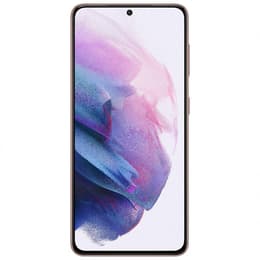
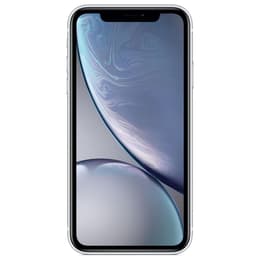


Galaxy S21 5G Vs iPhone XR

Galaxy S21 5G
Galaxy S21 5G
Starting at

Refurbished price:167.00

Versus €1,026.00 new

See options
iPhone XR
iPhone XR
Starting at

Refurbished price:121.00

Versus €439.00 new

See options

Ratings

The Samsung Galaxy S21 5G, released in January 2021, and the Apple iPhone XR, launched in October 2018, represent different generations and operating systems within the smartphone market. While both offer a capable smartphone experience, they diverge significantly in their display technology, camera systems, and overall feature sets, reflecting their respective release timelines and design philosophies. The Galaxy S21 operates on Android, offering a customizable experience, whereas the iPhone XR runs on Apple's iOS, known for its intuitive interface and ecosystem integration.

Scores

Durability

When considering the long-term usability of these devices, their release dates and software support policies are key factors.

  • Release Timeline: The Galaxy S21 5G was released in January 2021, making it a more recent device compared to the iPhone XR, which launched in October 2018. This difference in age directly impacts their expected software support.
  • Software Longevity: The Galaxy S21 5G launched with Android 11 and has received updates, with Samsung typically providing several years of major Android OS updates and security patches. The iPhone XR, starting with iOS 12, has a strong track record of extended software support from Apple, continuing to receive major iOS updates years after its release, currently supporting up to iOS 18. This suggests the iPhone XR still offers a considerable practical lifespan in terms of software.
  • Repairability: The Galaxy S21 5G generally scores well in repairability, with some sources giving it a score of 7.5/10 or 8.2/10, noting that the back plate is easily removable and many parts are replaceable, though battery removal can be challenging due to strong adhesive. The iPhone XR received a repairability score of 6/10, with its modular display making screen and battery replacements relatively straightforward compared to some other devices.

Year of Release

2021

2018

Compatible with latest Update

Yes

Yes

OS

Android

iOS

Foldable

No

No

Performance

The performance of a smartphone is crucial for daily tasks, app usage, and multitasking, and these two devices offer different levels of capability.

  • Processing Power: The Galaxy S21 5G is equipped with a more recent generation processor, allowing it to handle demanding applications, complex games, and intensive multitasking with fluidity. The iPhone XR, powered by its A12 Bionic chip, delivered strong performance for its time and continues to manage everyday applications and many modern games effectively, though it may show its age with the most graphically intensive tasks.
  • Multitasking and Storage: The Galaxy S21 5G typically comes with 8GB of RAM, contributing to smooth multitasking and app switching. It offers storage options of 128GB and 256GB. The iPhone XR features 3GB of RAM and was available with 64GB, 128GB, or 256GB of internal storage.
  • Battery Behavior: The Galaxy S21 5G houses a 4000 mAh battery. Its 120Hz display and powerful processor can lead to varied battery performance depending on usage patterns. The iPhone XR, with a 2942 mAh battery, was noted for its excellent battery life for an iPhone of its generation, often lasting a full day or more for many users, partly due to its efficient processor and LCD display.

Memory (GB)

8 GB

3 GB

Screen quality

The visual experience is a primary interaction point with any smartphone, and these devices offer distinct display technologies.

  • Display Technology and Resolution: The Galaxy S21 5G features a 6.2-inch Dynamic AMOLED 2X display with a resolution of 1080 x 2400 pixels, providing vibrant colors, deep blacks, and excellent contrast. The iPhone XR has a 6.1-inch Liquid Retina HD display, which is an LCD panel with a resolution of 1792 x 828 pixels at 326 pixels per inch. While the XR's resolution is lower than many contemporary phones, users often report that individual pixels are not discernible in typical use.
  • Refresh Rate and Brightness: The Galaxy S21 5G offers a 120Hz refresh rate, resulting in smoother scrolling and more fluid animations. It also boasts a peak brightness of 1300 nits, enhancing visibility in bright outdoor conditions. The iPhone XR has a standard 60Hz refresh rate and a maximum brightness of 625 nits, which is sufficient for most indoor and outdoor viewing, though it may struggle more in direct sunlight compared to the S21.
  • Screen Protection: The Galaxy S21 5G is protected by Corning Gorilla Glass Victus, offering enhanced durability against drops and scratches. The iPhone XR uses dual-ion exchange-strengthened glass.

Resolution

1080 x 2400

828 x 1792

Screen type

Dynamic AMOLED 2X

Liquid Retina IPS LCD

Audiovisual

For many users, the camera system is a critical component, and both phones provide capable photographic tools with different strengths.

  • Rear Camera System: The Galaxy S21 5G features a versatile triple-camera setup on the rear, including a 12MP wide-angle lens, a 64MP telephoto lens, and a 12MP ultrawide lens. This configuration allows for various photographic styles, including optical zoom capabilities (3x hybrid optical zoom, up to 30x digital zoom). The iPhone XR has a single 12MP wide-angle rear camera with optical image stabilization (OIS). Despite being a single lens, it was highly regarded for its image quality at the time of its release.
  • Photography Features: The Galaxy S21 5G offers advanced features like improved focus and subject tracking, and a Director's View mode for video. It performs well in various lighting conditions, including low light. The iPhone XR excels in portrait photography for people, utilizing software to create depth effects, and features Smart HDR for improved dynamic range.
  • Video Recording and Front Camera: The Galaxy S21 5G can record video up to 8K resolution and 4K at 60 frames per second. It has a 10MP front-facing camera. The iPhone XR supports 4K video recording at up to 60 frames per second and includes a 7MP front-facing camera with Face ID capabilities.

Main camera

12 megapixels

12 megapixels

Front camera

10 megapixels

7 megapixels

Miscellaneous

Beyond core features, several practical elements contribute to the overall user experience and device utility.

  • Connectivity and Ports: The Galaxy S21 5G supports 5G networks, offering faster mobile data speeds where available. It also features Wi-Fi 6 (ax) and Bluetooth 5.0 or 5.2. It uses a USB-C port for charging and data transfer. The iPhone XR is limited to 4G LTE connectivity, with Wi-Fi 802.11ac and Bluetooth 5.0. It uses Apple's proprietary Lightning connector.
  • Biometric Security and Durability: The Galaxy S21 5G incorporates an under-display fingerprint scanner for secure unlocking. It carries an IP68 rating for dust and water resistance, allowing submersion up to 1.5 meters for 30 minutes. The iPhone XR relies on Face ID for biometric authentication and has an IP67 rating, providing protection against dust and water immersion up to 1 meter for 30 minutes.
  • Physical Design: The Galaxy S21 5G measures 151.7 x 71.2 x 7.9 mm and weighs 169 grams. The iPhone XR measures 150.9 x 75.7 x 8.3 mm and weighs 194 grams. The S21 features a plastic back, while the XR has a glass back with an aluminum frame.

Weight

171 g

194 g

Screen size (in)

6.2

6.1

Network

5G

4G

SIM card

Physical SIM + eSIM

Physical SIM + eSIM

Carrier compatibility

Unlocked

Unlocked

Connector

USB-C

Lightning

The Samsung Galaxy S21 5G and the iPhone XR cater to different user preferences, largely due to their distinct operating systems, release years, and hardware capabilities. Users often praise the Galaxy S21 5G for its advanced camera system, vibrant AMOLED display with a high refresh rate, and modern Android features. Some common considerations for the S21 might include its battery performance for very heavy users, given the powerful display and processor. The iPhone XR is frequently lauded for its robust battery life for an iPhone of its generation, consistent performance for everyday use, and a reliable single camera that produces quality photos. Criticisms for the iPhone XR often centered on its LCD display resolution compared to the OLED screens found on other flagship devices at its release.

Users prioritizing a cutting-edge display, a versatile multi-lens camera system, and access to the latest Android features, including 5G connectivity, may find the Samsung Galaxy S21 5G better suited to their needs. Conversely, individuals who value the long-term software support and user-friendly ecosystem of iOS, coupled with strong battery endurance and solid performance for general use, might lean towards the iPhone XR. Both devices offer a quality smartphone experience, and choosing between them often comes down to a preference for operating system, camera versatility, and display technology. For those seeking an eco-friendly alternative, both models are available as quality-assured refurbished options, providing a sustainable choice for consumers.


See all articles

Our recent comparisons






