
Compare models
Galaxy S26 Ultra Vs Xiaomi Redmi Note 14 Pro
- 1-year minimum warranty
- Free delivery on all orders
- Free 30-day returns
Differences at a glance
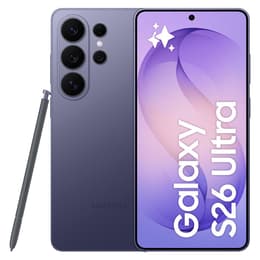
The Samsung Galaxy S26 Ultra (2026) and the Xiaomi Redmi Note 14 Pro (2025) represent two different tiers and approaches within the modern smartphone market. While both devices run on the Android operating system with custom manufacturer interfaces, they cater to distinct device categories, feature different release timelines, and target separate user priorities.
Available Models
Colour
Storage
Scores
Durability
Durability and software support timelines differ notably between these two models based on their release years and hardware positioning.
- Software Support: The Galaxy S26 Ultra benefits from an extended multi-year update schedule covering both security patches and major operating system upgrades, whereas the Xiaomi Redmi Note 14 Pro follows a standard mid-range update lifecycle.
- Build Integrity: Both devices incorporate robust screen protection glass and water resistance ratings, though the Galaxy S26 Ultra utilizes advanced frame materials designed for long-term structural resilience.
- Expected Lifespan: Users can anticipate several years of reliable daily operation from both handsets, with the Samsung model offering greater longevity for future software requirements.
Year of Release
2026
2025
OS
Android
iOS
Foldable
No
No
Performance
System performance and everyday responsiveness vary according to the internal hardware configuration of each smartphone.
- Multitasking and Apps: The Galaxy S26 Ultra handles intensive multi-app workflows, demanding games, and advanced rendering tasks without noticeable slowdowns, while the Xiaomi Redmi Note 14 Pro manages everyday messaging, media streaming, and casual apps reliably.
- Memory and Storage: Samsung offers expansive memory configurations paired with high-speed storage tiers, whereas Xiaomi provides balanced storage selections tailored for general media storage and standard apps.
- Battery Behavior: Both devices maintain enough power for a full day of typical usage, though heavy users running resource-intensive tasks continuously will notice different drainage rates reflecting their respective battery capacities.
Screen quality
Display characteristics shape the visual experience for media consumption, reading, and outdoor visibility.
- Panel Technology: Both models feature vibrant AMOLED displays with deep contrast levels and rich color reproduction, though the Galaxy S26 Ultra incorporates advanced anti-reflective glass coatings.
- Brightness and Outdoors: Peak brightness levels on the Samsung flagship ensure clear legibility under direct sunlight, while the Xiaomi display performs reliably in typical bright outdoor conditions.
- Refresh Rate: Both devices support smooth high refresh rate scrolling, enhancing fluidity when navigating menus and browsing web pages.
Resolution
1440 x 3120
1080 x 2400
Audiovisual
Imaging capabilities and media output vary significantly based on the integrated sensor arrays and processing hardware.
- Camera Systems: The Galaxy S26 Ultra features a versatile multi-lens setup including high-resolution primary and dedicated zoom capabilities for distant subjects, whereas the Xiaomi Redmi Note 14 Pro equips a standard multi-camera array suitable for everyday snapshots.
- Low-Light and Video: The Samsung device captures detailed low-light scenes and stable high-resolution video recordings, while the Xiaomi alternative handles casual evening photography and standard video calls adequately.
- Audio Output: Stereo speakers on both smartphones provide clear sound output for hands-free calls and casual media playback.
Front camera
12.0
32 MP
Miscellaneous
Practical physical attributes and connectivity standards define how each device integrates into daily routines.
- Connectivity: Both models support modern wireless standards, including 5G connectivity and fast Wi-Fi protocols for rapid data transfer.
- Physical Dimensions: The Galaxy S26 Ultra has a larger, heavier footprint designed to accommodate a built-in stylus and expansive screen, whereas the Xiaomi Redmi Note 14 Pro offers a lighter, more compact profile for effortless single-handed holding.
- Security Sensors: Each device integrates biometric authentication methods, including responsive under-display fingerprint readers and facial recognition options.
Weight
214 g
180 g
Screen size (in)
6.9
6.67
Network
5G
4G
SIM card
Physical SIM + eSIM
Dual Physical SIM
Carrier compatibility
Unlocked
Unlocked
What the community thinks
Choosing between these two smartphones depends heavily on individual daily requirements and usage habits. Users prioritizing heavy multitasking, advanced photography features, and prolonged software longevity will find the Samsung Galaxy S26 Ultra well-suited to their needs. Conversely, users seeking a balanced, lightweight device for everyday communication, media streaming, and standard tasks will lean toward the Xiaomi Redmi Note 14 Pro.
For consumers exploring sustainable choices, opting for a quality-assured refurbished option provides a practical and eco-friendly alternative without compromising on performance or reliability. Reviewing these core differences helps clarify which device aligns best with your specific daily workflow.