


Compare models

Galaxy S26 Ultra Vs Google Pixel 9a

  • 1-year minimum warranty
  • Free delivery on all orders
  • Free 30-day returns
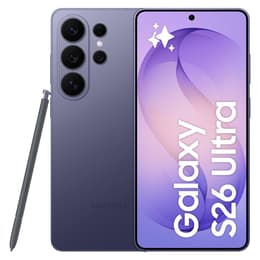
Galaxy S26 Ultra
Starting at

Refurbished price:920.00

Versus €1,449.00 new

See options
Google Pixel 9a
Starting at

Refurbished price:348.00

Versus €586.09 new

See options

Differences at a glance

The Samsung Galaxy S26 Ultra (2026) and the Google Pixel 9a (2025) represent two different tiers and form factors in the modern smartphone landscape. The Galaxy S26 Ultra functions as a large, feature-packed flagship device running Android 16, while the Google Pixel 9a operates as a compact, streamlined mid-range smartphone running Android 15. Both options provide distinct approaches to everyday mobile computing, catering to contrasting user preferences regarding physical size and processing capacity.

Available Models

Colour

Storage (GB)

Scores

Durability

Long-term usability varies across these models based on their release timelines, software maintenance schedules, and physical resilience standards.

  • Software longevity: Both manufacturers provide extensive software support windows spanning several years, though the Galaxy S26 Ultra benefits from a more recent release date and a later baseline operating system.
  • Repairability and build resilience: Each device utilizes robust frame materials and modern glass protection, while incorporating standardized water resistance ratings for everyday protection against accidental spills.
  • Expected practical lifespan: Ample memory allocation and current software optimization help both models maintain reliable everyday functionality over multiple years of regular use.

Year of Release

2026

2025

Compatible with latest Update

Yes

Yes

OS

Android

Android

Foldable

No

No

Performance

System responsiveness and everyday multitasking capabilities differ due to variations in internal hardware configurations and memory capacity.

  • Multitasking and memory: The Galaxy S26 Ultra includes a larger RAM allocation to handle intensive background tasks smoothly, whereas the Google Pixel 9a relies on a moderate memory footprint suited to standard daily apps.
  • Storage choices: Multiple storage tiers are available across both models, accommodating varying needs for local media files, applications, and documents without relying heavily on cloud storage.
  • Everyday system speed: Both devices load web pages, social media feeds, and productivity tools quickly, though the Galaxy S26 Ultra provides additional processing headroom for demanding 3D gaming and heavy multi-window workflows.

Screen quality

Viewing experiences differ significantly due to varying display sizes, panel technologies, and physical dimensions.

  • Display technology: Both models feature vibrant OLED panels that deliver deep contrast levels and crisp text rendering for reading and media playback.
  • Refresh rate and smoothness: Adaptive refresh rate support ensures fluid scrolling through menus, web pages, and supported applications.
  • Size and outdoor visibility: The Galaxy S26 Ultra provides an expansive viewing workspace with high peak brightness levels, while the Google Pixel 9a offers a more compact footprint that remains comfortable for single-handed navigation.

Resolution

1440 x 3120

2424 x 1080

Audiovisual

Media capture and multimedia playback capabilities reflect the distinct design philosophies of each device lineup.

  • Camera versatility: The Galaxy S26 Ultra features a versatile multi-lens camera system including specialized optical zoom capabilities, while the Google Pixel 9a utilizes a streamlined dual-lens setup focused on reliable point-and-shoot photography.
  • Video and low-light performance: Advanced stabilization and computational processing help both models capture clear video footage and detailed photos in challenging lighting conditions.
  • Audio output: Built-in stereo speakers deliver balanced sound quality for hands-free calls, casual video viewing, and podcast playback.

Front camera

12.0

13 megapixels

Miscellaneous

Physical handling and connectivity features shape the day-to-day user experience of each handset.

  • Connectivity standards: Modern 5G capabilities, fast Wi-Fi protocols, and Bluetooth support ensure stable wireless connections for accessories and data networks.
  • Authentication and security: Secure biometric authentication is handled via responsive in-display fingerprint sensors and facial recognition systems.
  • Physical dimensions: The Galaxy S26 Ultra features a wider, heavier chassis optimized for a large screen workspace, whereas the Google Pixel 9a provides a lighter, more pocket-friendly physical profile.

Weight

214 g

186 g

Screen size (in)

6.9

6.3

Network

5G

5G

SIM card

Physical SIM + eSIM

Physical SIM + eSIM

Carrier compatibility

Unlocked

Unlocked

Connector

USB-C

USB-C

What the community thinks

User discussions across community forums highlight distinct preferences for each device based on everyday workflow requirements. Owners of the Galaxy S26 Ultra frequently praise its expansive display workspace, flexible multi-lens camera system, and high-performance multitasking capabilities. At the same time, some users note that its larger physical footprint can feel heavy during extended single-handed use. Conversely, Google Pixel 9a users frequently commend its comfortable, compact handling, reliable battery efficiency, and straightforward software interface, though some mention that it lacks the advanced optical zoom range found on larger flagships.

Users who prioritize a large screen workspace, high-end processing power, and versatile camera options will find the Galaxy S26 Ultra well-suited to their needs. Meanwhile, users prioritizing a lighter physical footprint, comfortable single-handed navigation, and a streamlined software experience may lean toward the Google Pixel 9a. For those looking at sustainable choices, a quality-assured refurbished option provides an eco-friendly alternative to purchasing newly manufactured hardware.