


Compare models
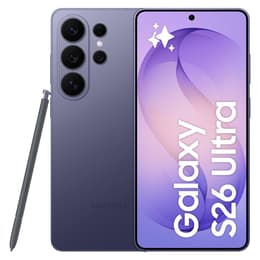
Galaxy S26 Ultra Vs Google Pixel 9 Pro
- 1-year minimum warranty
- Free delivery on all orders
- Free 30-day returns
Differences at a glance
The Samsung Galaxy S26 Ultra (2026) and the Google Pixel 9 Pro (2024) represent advanced tiers of modern smartphone engineering. While the Galaxy S26 Ultra brings a newer generation of hardware and a larger footprint, the Google Pixel 9 Pro focuses on streamlined usability and integrated assistant capabilities within a compact build. Both devices run variations of the Android operating system, though they approach day-to-day user interactions and internal optimizations quite differently.
Available Models
Colour
Storage (GB)
Scores
Durability
Evaluating durability involves analyzing software longevity, update frequency, and structural build quality to determine how well each model maintains functionality over time.
- Software support windows: Both manufacturers provide extensive multi-year software and security patch commitments, though the Galaxy S26 Ultra benefits from a more recent release year, extending its active support timeline further into the future.
- Build resilience: The Galaxy S26 Ultra features toughened exterior glass and an aluminum frame designed to resist daily wear, whereas the Google Pixel 9 Pro utilizes a polished metallic frame and durable glass back panels.
- Repair ecosystem: Both devices feature standardized internal layouts supported by growing networks of repair service providers, helping extend their practical operational lifespan.
Year of Release
2026
2024
Compatible with latest Update
Yes
Yes
OS
Android
Android
Foldable
No
No
Performance
System responsiveness, multitasking behavior, and battery endurance dictate how smoothly each smartphone handles heavy daily workloads and routine applications.
- Multitasking and app handling: Both devices manage demanding applications, rapid app switching, and intensive background tasks fluidly, backed by generous RAM allocations that keep multiple processes active simultaneously.
- Battery efficiency: The Galaxy S26 Ultra houses a larger physical battery capacity suited for extended mixed usage, while the Google Pixel 9 Pro relies on efficient power management to sustain a full day of standard tasks.
- Storage configurations: Both models offer ample internal storage tiers starting at generous baseline capacities, accommodating large media libraries and offline files without expansion slots.
Screen quality
Display characteristics govern outdoor legibility, color accuracy, and overall visual comfort during media consumption or reading tasks.
- Panel technology: Both smartphones utilize advanced OLED panels that deliver deep contrast levels, rich colors, and wide viewing angles suitable for video playback.
- Refresh rate and fluidity: Both screens support high refresh rates that dynamically scale down during static viewing to conserve battery, ensuring smooth scrolling through web pages and documents.
- Physical dimensions and brightness: The Galaxy S26 Ultra provides a larger screen area optimized for productivity and split-screen viewing, whereas the Google Pixel 9 Pro offers a more compact panel that remains easily readable under direct sunlight.
Resolution
1440 x 3120
1280 x 2856
Audiovisual
Imaging hardware and audio reproduction hardware shape the multimedia creation and consumption experience for everyday users.
- Lens versatility: Both models feature multi-lens rear camera arrays incorporating primary wide sensors, ultra-wide options, and telephoto capabilities for distant subjects.
- Computational photography: The Google Pixel 9 Pro relies heavily on advanced image processing algorithms for balanced low-light shots and natural skin tones, while the Galaxy S26 Ultra emphasizes high-resolution sensor detail and flexible zoom steps.
- Audio output: Stereo speaker configurations on both devices deliver clear dialogue and balanced sound profiles for hands-free calls and casual media streaming.
Front camera
12.0
42 megapixels
Miscellaneous
Connectivity standards, physical dimensions, and biometric sensors define how comfortably each device integrates into daily routines and travel.
- Connectivity and ports: Both smartphones support modern 5G cellular networks, high-speed Wi-Fi standards, and Bluetooth connections, utilizing reversible USB-C ports for charging and data transfers.
- Biometric security: Fast and responsive under-display fingerprint sensors are paired with secure facial recognition systems on both models for convenient unlocking.
- Physical footprint: The Galaxy S26 Ultra presents a wider, heavier chassis designed to maximize screen workspace, whereas the Google Pixel 9 Pro offers a lighter, narrower build that sits comfortably in smaller hands.
Weight
214 g
199 g
Screen size (in)
6.9
6.3
Network
5G
5G
SIM card
Physical SIM + eSIM
Physical SIM + eSIM
Carrier compatibility
Unlocked
Unlocked
Connector
USB-C
USB-C
What the community thinks
User feedback from online communities highlights distinct preferences for each device based on everyday habits. Owners of the Galaxy S26 Ultra frequently praise its expansive display estate, robust battery reserves, and versatile multi-lens zoom capabilities. Conversely, users of the Google Pixel 9 Pro often commend its manageable physical dimensions, reliable software interface, and consistent point-and-shoot camera reliability.
Users prioritizing maximum screen workspace, expansive battery capacity, and distant photography reach will find the Galaxy S26 Ultra well-suited to their needs. Meanwhile, users preferring a more compact physical form factor paired with streamlined software assistance may lean toward the Google Pixel 9 Pro. For those exploring sustainable purchasing routes, choosing a quality-assured refurbished option provides an eco-friendly alternative that extends device life cycles without compromising on core performance.