

Galaxy S25+ Vs iPhone 15 Pro

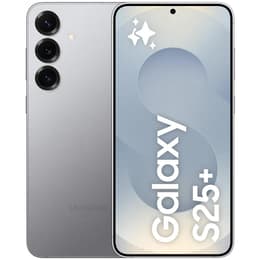
Galaxy S25+
Galaxy S25+
Starting at

Refurbished price:624.00

Versus €1,401.57 new

See options
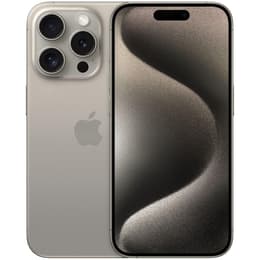
iPhone 15 Pro
iPhone 15 Pro
Starting at

Refurbished price:510.00

Versus €1,165.38 new

See options

Ratings

The iPhone 15 Pro, released in September 2023, and the Samsung Galaxy S25 Plus, launched in early 2025, represent premium offerings from their respective manufacturers. While both devices aim to deliver a high-end smartphone experience, they differ in their operating systems and certain hardware philosophies. The iPhone 15 Pro operates on Apple's iOS, known for its integrated ecosystem, whereas the Galaxy S25 Plus runs on Android, offering greater customization. Key distinctions lie in their display sizes, camera configurations, and design materials.

Scores

Durability

When considering the longevity of these devices, several factors come into play, including software support, physical resilience, and overall practical lifespan.

  • Software Support: The iPhone 15 Pro, being an Apple device, typically receives iOS updates for approximately five to six years from its release. The Galaxy S25 Plus, running Android, is expected to receive several years of major Android version updates and security patches, though the exact duration can vary.
  • Physical Durability: The iPhone 15 Pro features a titanium frame and a Ceramic Shield front cover, contributing to its overall robustness. However, some early drop tests indicated that its design might transmit shock more readily to the glass back, potentially leading to cracks. The Galaxy S25 Plus utilizes Gorilla Glass Victus 2 on both its front and back, paired with flat metal edges, and carries an IP68 rating for dust and water resistance, similar to the iPhone.
  • Repairability: Both devices are designed with modern smartphone construction, which can make user-level repairs challenging. Professional repair services are generally recommended for both models to ensure proper functionality and maintain water resistance.

Year of Release

2025

2023

Compatible with latest Update

Yes

Yes

OS

Android

iOS

Foldable

No

No

Performance

Both smartphones are equipped with advanced internal components designed to handle demanding tasks, but they approach performance with different architectural designs.

  • Processing Power: The iPhone 15 Pro is powered by a current-generation Apple processor, which provides responsive performance for applications, gaming, and multitasking. The Galaxy S25 Plus features a high-performance processor from a leading chip manufacturer, enabling smooth operation across various applications and efficient handling of graphics-intensive tasks.
  • Multitasking and Memory: The iPhone 15 Pro typically includes ample internal memory to support fluid multitasking and app switching. The Galaxy S25 Plus comes with a larger amount of RAM, which can be beneficial for users who frequently switch between many applications or engage in heavy multitasking.
  • Battery Behavior: The iPhone 15 Pro offers all-day battery life for many users under medium to heavy usage, with various tests showing around 9 to 11 hours of active screen time. The Galaxy S25 Plus, with its larger battery capacity, generally provides extended usage times, with some tests indicating over 10 hours of screen-on time, making it suitable for prolonged use.

Memory (GB)

12 GB

8 GB

Screen quality

The visual experience on both devices is a highlight, with each offering a high-quality display tailored to different preferences in size and characteristics.

  • Display Technology and Size: The iPhone 15 Pro features a 6.1-inch Super Retina XDR OLED display, known for its deep blacks and vibrant colors. The Galaxy S25 Plus offers a larger 6.7-inch Dynamic LTPO AMOLED 2X display, providing more screen real estate for content consumption and productivity.
  • Resolution and Clarity: The iPhone 15 Pro has a resolution of 2556x1179 pixels, resulting in a pixel density of approximately 460 pixels per inch (ppi). The Galaxy S25 Plus boasts a higher resolution of 3120x1440 pixels, yielding a sharper image with around 513 ppi.
  • Brightness and Smoothness: Both phones offer high peak brightness levels for good outdoor visibility, with the Galaxy S25 Plus reaching up to 2600 nits and the iPhone 15 Pro up to 2000 nits in outdoor peak brightness. Both also feature adaptive refresh rates up to 120Hz, ensuring smooth scrolling and fluid animations.

Resolution

1440 x 3120 pixels

1179 x 2556

Audiovisual

Both devices offer versatile camera systems capable of capturing high-quality photos and videos across various scenarios, though with some differences in their approach and capabilities.

  • Main Camera Performance: The iPhone 15 Pro features a 48-megapixel main camera that captures detailed images, often outputting 24-megapixel photos by default, with strong low-light performance. The Galaxy S25 Plus is equipped with a 50-megapixel main sensor, also delivering high-resolution images with good detail and color reproduction, particularly in well-lit conditions.
  • Versatility and Zoom: Both phones include ultra-wide and telephoto lenses. The iPhone 15 Pro offers a 12-megapixel ultra-wide camera and a 12-megapixel telephoto lens with 3x optical zoom. The Galaxy S25 Plus also has a 12-megapixel ultra-wide and a 10-megapixel telephoto lens with 3x optical zoom.
  • Video Capabilities: Both devices excel in video recording. The iPhone 15 Pro supports 4K video recording at up to 60 frames per second, with advanced features like Cinematic mode and ProRes video. The Galaxy S25 Plus can record video at up to 8K resolution at 30 frames per second and includes a Super Steady video mode for stabilization.

Front camera

12MP

12 megapixels

Miscellaneous

Beyond core performance and display, several other features contribute to the overall user experience and practical utility of these smartphones.

  • Connectivity and Ports: Both the iPhone 15 Pro and Galaxy S25 Plus support 5G connectivity for fast mobile data. The iPhone 15 Pro features a USB-C port with USB 3 speeds, allowing for faster data transfer. The Galaxy S25 Plus also uses a USB-C port and supports modern Wi-Fi standards.
  • Biometric Security: The iPhone 15 Pro relies on Face ID for secure facial recognition. The Galaxy S25 Plus incorporates an ultrasonic in-screen fingerprint sensor for biometric authentication.
  • Design and Handling: The iPhone 15 Pro has a compact design with a 6.1-inch display and a lightweight titanium frame, making it comfortable for one-handed use. The Galaxy S25 Plus, with its larger 6.7-inch display, offers a more expansive viewing experience, while maintaining a relatively slim profile. The iPhone 15 Pro also features a customizable Action Button.

Weight

190 g

171 g

Screen size (in)

6.7

6.1

Network

5G

5G

SIM card

Physical SIM + eSIM

eSIM

Carrier compatibility

Unlocked

Unlocked

Connector

USB-C

USB-C (USB 3)

The iPhone 15 Pro and Samsung Galaxy S25 Plus each offer a compelling set of features, catering to slightly different user preferences. Users often praise the iPhone 15 Pro for its consistent camera performance, robust ecosystem, and smooth software experience. Some common feedback includes its strong processing power and the utility of features like the Dynamic Island. Criticisms sometimes point to its battery life being less than the larger Pro Max model. The Galaxy S25 Plus is frequently lauded for its vibrant, high-resolution display, versatile camera system, and generally strong battery endurance. Users appreciate the customization options offered by Android and the larger screen size.

Users prioritizing a compact device with a highly integrated software experience and strong video capabilities may find the iPhone 15 Pro well-suited to their needs. Conversely, those who prefer a larger display, extensive customization options, and potentially longer battery life might lean towards the Galaxy S25 Plus. Both devices represent excellent choices in the premium smartphone segment, and considering a quality-assured refurbished option can be an eco-friendly alternative for acquiring either model.


See all articles

Our recent comparisons