
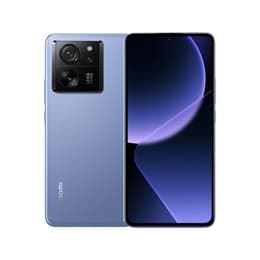


Google Pixel 7 Vs Xiaomi 13T

Google Pixel 7
Google Pixel 7
Starting at

Refurbished price:160.00

Versus €756.00 new

See options
Xiaomi 13T
Xiaomi 13T
Starting at

Refurbished price:183.00

Versus €630.00 new

See options

Ratings

The Google Pixel 7 and the Xiaomi 13T are both modern smartphones offering distinct user experiences. The Pixel 7, released in October 2022, is known for its computational photography and streamlined Android interface. The Xiaomi 13T, launched in September 2023, emphasizes a high-refresh-rate display and a versatile camera system co-engineered with Leica. Both devices operate on the Android platform, but they cater to slightly different priorities in terms of features and software approach.

Scores

Durability

When considering the long-term usability of a smartphone, software support and physical resilience are key factors.

  • Software Longevity: The Google Pixel 7, released in October 2022, is guaranteed to receive five years of both OS and security updates from its launch, extending its support to Android 18. This commitment ensures users benefit from the latest features and security enhancements for an extended period. The Xiaomi 13T, launched in September 2023, offers a policy of four major Android OS upgrades and five years of security patches, aligning it with a competitive update schedule.
  • Physical Durability: Both devices feature an IP68 rating, indicating robust resistance to dust and water immersion. The Pixel 7 utilizes Corning Gorilla Glass Victus for display protection, offering a high level of scratch and drop resistance. The Xiaomi 13T is protected by Corning Gorilla Glass 5 on its display.
  • Expected Lifespan: With their respective software support policies and IP ratings, both the Pixel 7 and Xiaomi 13T are designed for a practical lifespan of several years, making them suitable for users seeking a durable and up-to-date device.

Year of Release

2022

2023

Compatible with latest Update

Yes

Yes

OS

Android

Android

Foldable

No

No

Performance

The performance of a smartphone is influenced by its internal components, affecting how smoothly applications run and how efficiently it handles demanding tasks.

  • Processing Capabilities: The Google Pixel 7 is equipped with a processor designed by Google, which focuses on optimizing the Android experience and enhancing computational photography features. This results in smooth navigation, efficient handling of everyday applications, and responsive performance for most user activities. The Xiaomi 13T features a MediaTek processor, which provides strong performance for gaming and multitasking, ensuring applications load quickly and run without significant delays.
  • Storage and Multitasking: Both devices offer ample storage options, typically starting at 128GB or 256GB, providing sufficient space for apps, photos, and media. The Pixel 7 comes with 8GB of RAM, facilitating efficient multitasking. The Xiaomi 13T offers configurations with 8GB or 12GB of RAM, which can provide a slight edge in managing numerous open applications simultaneously.
  • Battery Behavior: The Pixel 7 has a 4355 mAh battery, with user experiences varying from lasting a full day with moderate use to requiring more frequent charging for heavy users. The Xiaomi 13T features a larger 5000 mAh battery, generally providing extended usage times for many users.

Memory (GB)

8 GB

8 GB

Screen quality

The display is a primary interface for smartphone interaction, and differences in technology, resolution, and brightness can significantly impact the viewing experience.

  • Display Technology and Clarity: Both the Google Pixel 7 and the Xiaomi 13T feature AMOLED displays, known for their deep blacks and vibrant colors. The Pixel 7 offers a 6.3-inch display with a resolution of 2400x1080 pixels, providing clear and sharp visuals for everyday content. The Xiaomi 13T has a larger 6.67-inch display with a higher resolution of 2712x1220 pixels, resulting in a slightly crisper image.
  • Brightness and Smoothness: The Pixel 7's display reaches a peak brightness of 1400 nits, offering good visibility in various lighting conditions, and has a 90Hz refresh rate for smooth scrolling and animations. The Xiaomi 13T boasts a significantly higher peak brightness of 2600 nits, making it exceptionally bright for outdoor use, and features a 144Hz refresh rate for even smoother visuals, particularly noticeable in fast-paced content or gaming.
  • Viewing Experience: The Pixel 7's display is well-suited for users who appreciate accurate color reproduction and a fluid experience. The Xiaomi 13T's larger, brighter, and higher refresh rate display provides a more immersive and responsive viewing experience, especially for media consumption and interactive applications.

Resolution

1080 x 2400

1220 x 2712

Screen type

AMOLED

AMOLED

Audiovisual

The camera systems on both devices offer distinct approaches to photography, influencing the quality and style of captured images and videos.

  • Rear Camera Systems: The Google Pixel 7 features a dual-camera setup, including a 50MP main sensor with optical image stabilization (OIS) and a 12MP ultrawide lens. Its strength lies in computational photography, delivering consistent and detailed images, particularly in challenging lighting conditions, and offering features like Night Sight and Photo Unblur. The Xiaomi 13T boasts a triple-camera system co-engineered with Leica, comprising a 50MP main sensor with OIS, a 50MP telephoto lens with 2x optical zoom, and a 12MP ultrawide lens. This setup provides greater versatility with a dedicated telephoto lens and offers distinct Leica photographic styles.
  • Video Recording and Front Camera: The Pixel 7 can record 4K video at up to 60 frames per second and includes features like Cinematic Blur, with a 10.8MP front camera capable of 4K video. The Xiaomi 13T supports 4K video recording at 30 frames per second from its rear cameras and has a 20MP front camera.
  • Overall Photography: Users prioritizing consistent image processing and advanced software features for everyday photos, especially in low light, may find the Pixel 7 appealing. Those who value a dedicated telephoto lens, a wider range of focal lengths, and specific photographic styles will likely appreciate the Xiaomi 13T's camera system.

Main camera

50 megapixels

50 megapixels

Front camera

10.8 megapixels

20 megapixels

Miscellaneous

Beyond core performance and display, several practical elements contribute to the overall user experience and daily convenience.

  • Connectivity and Ports: Both smartphones support 5G connectivity, ensuring access to faster mobile networks. They also feature modern Wi-Fi standards and Bluetooth for wireless connections. Both devices utilize a USB-C port for charging and data transfer. Neither device includes a traditional 3.5mm headphone jack.
  • Biometric Security and Audio: The Google Pixel 7 offers Face Unlock and an under-display fingerprint sensor for secure access. The Xiaomi 13T also includes an in-screen fingerprint sensor and AI face unlock. Both phones are equipped with stereo speakers, providing a more immersive audio experience for media consumption.
  • Design and Handling: The Pixel 7 has dimensions of 155.6 mm x 73.2 mm x 8.7 mm and weighs 197g, offering a more compact feel. The Xiaomi 13T is slightly larger at 162.2 mm x 75.7 mm x 8.49 mm (glass back) and weighs 197g (glass back), providing a larger screen area. The Xiaomi 13T also offers variants with different back panel materials, including glass and a silicone polymer (eco-leather).

Weight

197 g

193 g

Screen size (in)

6.3

6.67

Network

5G

5G

SIM card

Physical SIM + eSIM

Dual Physical SIM

Carrier compatibility

Unlocked

Unlocked

The Google Pixel 7 and Xiaomi 13T each present a compelling package, with user feedback often highlighting their respective strengths. For the Pixel 7, common praise points revolve around its exceptional camera performance, particularly its computational photography capabilities that deliver reliable and high-quality images in various conditions. Users also appreciate its clean Android experience and timely software updates. Some criticisms, however, have occasionally pointed to inconsistent battery life for heavy users.

The Xiaomi 13T frequently receives positive remarks for its vibrant and high-refresh-rate display, offering a smooth visual experience. Its versatile camera system, co-engineered with Leica, is also a strong point, providing a range of photographic options and distinct styles. The larger battery capacity is often noted as a benefit for extended usage. Some users might find the software experience, with Xiaomi's custom interface, to be different from a stock Android approach.

Users prioritizing a streamlined software experience, consistent camera performance with advanced image processing, and a more compact form factor may find the Google Pixel 7 well-suited to their needs. Conversely, individuals who value a larger, brighter, and smoother display, a dedicated telephoto camera for greater photographic flexibility, and a larger battery capacity might lean toward the Xiaomi 13T. Both devices offer robust durability with IP68 ratings and extended software support, making them reliable choices for long-term use. For those considering a more sustainable choice, both models are available as quality-assured refurbished options.


See all articles

Our recent comparisons