
Compare models

Galaxy S25 Vs iPhone Air

  • 1-year minimum warranty
  • Free delivery on all orders
  • Free 30-day returns
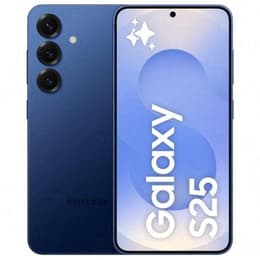
Galaxy S25
Starting at

Refurbished price:€459.00

Versus €949.24 new

See options
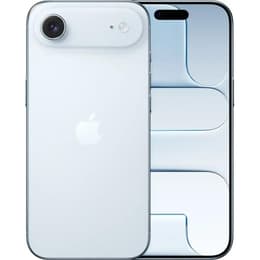
iPhone Air
Starting at

Refurbished price:€735.00

Versus €1,339.00 new

See options

Differences at a glance

The Samsung Galaxy S25 (2025) and Apple iPhone Air (2025) represent two distinct approaches to modern flagship smartphone design, balancing compact pocketability with cutting-edge internal engineering. While the Galaxy S25 focuses on a traditional, feature-rich compact form factor running the Android operating system, the iPhone Air prioritizes a remarkably thin profile and lightweight titanium build powered by Apple's iOS ecosystem. Both devices target users looking for high-end everyday performance, yet their differing physical dimensions and software environments create unique user experiences.

Available Models

Colour

Storage (GB)

Scores

Durability

When evaluating structural longevity and software support, both devices provide extended lifespans backed by multi-year update commitments from their respective manufacturers. Choosing a quality-assured refurbished option from Back Market also extends electronic life cycles sustainably.

  • Software Support: Both manufacturers provide long-term operating system updates and security patches, ensuring both models remain secure and functional for many years.
  • Repairability and Build: Both devices feature robust materials like durable glass and metal frames, though their physical layouts present varying ease of component repair for technicians.
  • Expected Lifespan: Both models offer robust internal components capable of maintaining reliable daily operation through several years of typical ownership.

Year of Release

2025

2025

Compatible with latest Update

Yes

Yes

OS

Android

iOS

Foldable

No

No

Performance

Underneath their exteriors, both phones offer ample storage configurations and smooth multitasking capabilities driven by current-generation processing architecture. Users notice responsive app loading and fluid daily operation across both platforms.

  • Multitasking and RAM: Both devices are equipped with generous memory allocations that allow demanding apps and background processes to run simultaneously without stuttering.
  • Battery Behavior: The Galaxy S25 provides reliable daily power for a compact footprint, whereas the larger surface area of the iPhone Air houses a battery engineered to balance its ultra-slim profile.
  • Storage Configurations: Both smartphones offer multiple high-capacity storage tiers, accommodating large media libraries and offline file storage comfortably.

Screen quality

Display technology on both devices delivers crisp visuals, deep contrast levels, and smooth refresh rates designed for comfortable media consumption and clear outdoor readability.

  • Display Technology: Both models utilize vibrant OLED panels that produce deep blacks and rich color reproduction for everyday viewing.
  • Brightness and Outdoors: High peak brightness levels on both screens ensure content remains legible under direct sunlight or bright ambient lighting.
  • Refresh Rate and Size: The Galaxy S25 offers a compact viewing area with a fast refresh rate, while the iPhone Air provides a larger screen real estate paired with smooth motion handling.

Resolution

1080x2340

2736x1260

Audiovisual

Camera hardware approaches differ significantly between the two models, influencing how users capture everyday moments, low-light scenes, and high-definition video.

  • Camera Systems: The Galaxy S25 features a versatile multi-lens rear camera setup, whereas the iPhone Air concentrates its imaging capabilities into a single, high-resolution main camera sensor.
  • Video and Audio: Both devices offer stable high-resolution video recording modes alongside clear microphone pickup for calls, though speaker output configurations vary in acoustic profile.
  • Low-Light Performance: Advanced image processing on both handsets helps preserve detail and manage noise in challenging lighting conditions.

Miscellaneous

Physical dimensions, connectivity standards, and daily handling characteristics highlight further distinctions between the two lightweight flagships.

  • Dimensions and Weight: The Galaxy S25 provides a traditional compact grip, while the iPhone Air emphasizes an exceptionally thin and lightweight chassis design.
  • Connectivity: Both smartphones support modern 5G networks, advanced Wi-Fi standards, and fast Bluetooth protocols for reliable peripheral pairing.
  • Biometrics and Ports: Each device utilizes secure facial recognition or fingerprint scanning methods and relies on modern reversible port standards for wired charging and data transfer.

Weight

162 g

165 g

Screen size (in)

6.2

6.5

Network

5G

5G

SIM card

Dual Physical SIM

eSIM

Carrier compatibility

Unlocked

Unlocked

Connector

USB-C

USB-C

What the community thinks

User feedback on community forums highlights distinct preferences for each device based on daily habits and hardware priorities. Owners of the Galaxy S25 frequently praise its comfortable compact size, versatile multi-lens camera array, and feature-rich Android interface. On the other hand, users of the iPhone Air frequently commend its remarkably thin titanium profile, lightweight feel in the hand, and smooth iOS integration. Common discussions often weigh the advantage of having multiple focal lengths on the camera against the appeal of an ultra-slim physical silhouette.

Users who prioritize a traditional compact footprint, flexible camera options, and the Android ecosystem will find the Galaxy S25 well-suited to their daily routines. Conversely, users who favor an exceptionally thin device, a larger display area, and the iOS platform may lean toward the iPhone Air. For those exploring sustainable tech upgrades, choosing a quality-assured refurbished option provides an eco-friendly alternative that reduces electronic waste without compromising on modern performance capabilities.