

Compare models

iPhone 12 Pro Max Vs iPhone XS

  • 1-year minimum warranty
  • Free delivery on all orders
  • Free 30-day returns
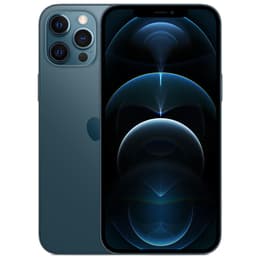
iPhone 12 Pro Max
iPhone 12 Pro Max
Starting at

Refurbished price:278.00

Versus €1,139.00 new

See options
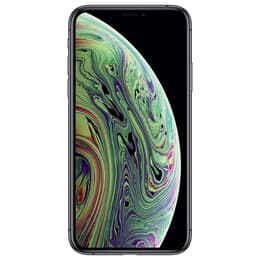
iPhone XS
iPhone XS
Starting at

Refurbished price:131.00

Versus €489.00 new

See options

Differences at a glance

The iPhone 12 Pro Max, released in November 2020, and the iPhone Xs, launched in September 2018, represent different generations of Apple's premium smartphone line. While both devices operate on Apple's iOS ecosystem, the 12 Pro Max introduces a larger display, an advanced camera system, and enhanced performance capabilities compared to its predecessor. These differences cater to varying user preferences, from screen size to photographic needs.

Scores

Durability

When considering the longevity of these devices, several factors come into play, primarily their release timelines and Apple's software support policies.

  • Release Timeline and Age: The iPhone Xs was released in September 2018, making it a significantly older device than the iPhone 12 Pro Max, which launched in November 2020. This age difference directly impacts their remaining practical lifespan.
  • OS Support Duration: The iPhone Xs received major iOS updates until September 2025, with its final major software version being iOS 18. While it continues to receive security updates through at least late 2026, it will no longer get new feature updates. The iPhone 12 Pro Max, having been released two years later, is expected to receive major iOS updates for a longer period, potentially until 2028-2030.
  • Repairability and Practical Lifespan: Both models benefit from Apple's ecosystem for repairs and parts availability, though older models may eventually face limitations as they are moved to Apple's vintage list. Users seeking the longest possible software support and access to the latest features will find the iPhone 12 Pro Max offers a more extended practical lifespan.

Year of Release

2020

2018

Compatible with latest Update

Yes

Yes

OS

iOS

iOS

Foldable

No

No

Performance

The performance of a smartphone is crucial for daily tasks, from app usage to demanding multimedia applications. The iPhone 12 Pro Max and iPhone Xs offer distinct levels of processing power and efficiency.

  • Processor Capabilities: The iPhone 12 Pro Max features a newer-generation processor, which provides a noticeable boost in speed and efficiency compared to the iPhone Xs's processor. This translates to faster app loading times, smoother multitasking, and more fluid performance in graphically intensive games and applications on the 12 Pro Max.
  • System Responsiveness and Multitasking: With its enhanced processing power and greater amount of internal memory, the iPhone 12 Pro Max handles demanding applications and switches between them with increased responsiveness. While the iPhone Xs remains capable for everyday use, users engaging in heavy multitasking or running complex applications may experience more fluid operation on the 12 Pro Max.
  • Battery Behavior: The iPhone 12 Pro Max is equipped with a larger battery capacity, generally offering better endurance for a full day of varied use compared to the iPhone Xs. While the iPhone Xs can last a full day for moderate users, heavy usage often necessitates more frequent charging.

Memory (GB)

6 GB

4 GB

Screen quality

The visual experience is a primary interaction point for any smartphone, and both devices offer high-quality displays, though with notable differences.

  • Display Technology and Size: Both the iPhone Xs and iPhone 12 Pro Max feature OLED Super Retina displays, known for deep blacks and vibrant colors. However, the iPhone 12 Pro Max boasts a significantly larger 6.7-inch display compared to the iPhone Xs's 5.8-inch screen, offering a more expansive viewing area.
  • Resolution and Brightness: Both displays offer high pixel densities, resulting in sharp and clear visuals. The iPhone 12 Pro Max provides higher typical and peak brightness levels, reaching up to 800 nits for typical use and 1200 nits for HDR content, which improves visibility in bright outdoor conditions and enhances HDR media consumption compared to the iPhone Xs's 625 nits maximum brightness.
  • Durability and Features: The iPhone 12 Pro Max introduces a Ceramic Shield front cover, designed to offer increased drop protection. Both displays support HDR10 and Dolby Vision, providing an enhanced viewing experience for compatible content.

Resolution

1284 x 2778

1125 x 2436

Screen type

Super Retina XDR OLED

Super Retina OLED

Audiovisual

The camera systems on both iPhones are designed to capture high-quality images and videos, but the newer model brings significant advancements.

  • Camera System Configuration: The iPhone Xs features a dual 12-megapixel camera system with wide and telephoto lenses. The iPhone 12 Pro Max elevates this with a triple 12-megapixel camera system, adding an ultra-wide lens and a LiDAR scanner for improved depth sensing.
  • Low-Light Performance and Stabilization: The iPhone 12 Pro Max benefits from a larger sensor on its main wide camera and introduces sensor-shift optical image stabilization, which significantly enhances low-light photography and video stability. While the iPhone Xs has optical image stabilization, the 12 Pro Max's system offers more advanced compensation for movement.
  • Zoom and Video Capabilities: The iPhone 12 Pro Max offers a 2.5x optical zoom and up to 12x digital zoom, compared to the iPhone Xs's 2x optical and 10x digital zoom. The 12 Pro Max also supports Dolby Vision HDR video recording, providing a higher dynamic range for video content.

Main camera

12 megapixels

12 megapixels

Front camera

12 megapixels

7 megapixels

Miscellaneous

Beyond the core features, several practical elements differentiate these two iPhone models, impacting daily usability and future-proofing.

  • Connectivity Options: A key distinction is the iPhone 12 Pro Max's support for 5G cellular networks, offering faster download and upload speeds in areas with 5G coverage. The iPhone Xs is limited to 4G LTE connectivity. Both support Wi-Fi, with the 12 Pro Max featuring Wi-Fi 6 for potentially faster and more stable connections with compatible routers.
  • Physical Design and Handling: The iPhone 12 Pro Max is a larger and heavier device, measuring 160.8 x 78.1 x 7.4 mm and weighing 228 grams. The iPhone Xs is more compact at 143.6 x 70.9 x 7.7 mm and 177 grams, making it easier for one-handed use for some individuals. Both feature a stainless steel frame and glass construction, contributing to a premium feel.
  • Additional Features: Both devices utilize Face ID for secure authentication. The iPhone 12 Pro Max also introduced MagSafe, a magnetic system for attaching accessories and wireless charging, which is not present on the iPhone Xs.

Weight

226 g

177 g

Screen size (in)

6.7

5.8

Network

5G

4G

SIM card

Physical SIM + eSIM

Physical SIM + eSIM

Carrier compatibility

Unlocked

Unlocked

Connector

Lightning

Lightning

What the community thinks

User feedback for the iPhone 12 Pro Max often praises its expansive and vibrant display, robust camera system with excellent low-light performance, and extended battery life, making it a strong choice for multimedia consumption and photography enthusiasts. Some users note its larger size and weight as a factor requiring adjustment. For the iPhone Xs, common praise centers on its still-capable performance for everyday tasks, its more compact form factor, and its enduring premium design. Criticisms often point to its more limited battery life compared to newer models and the eventual cessation of major software updates.

Users prioritizing a larger screen, the latest camera technologies including an ultra-wide lens and enhanced low-light capabilities, and longer software support will find the iPhone 12 Pro Max well-suited to their needs. Its 5G connectivity also offers a future-proof advantage for those in areas with compatible networks. Conversely, individuals who prefer a more compact device that is still capable of handling daily tasks, and who do not require the absolute latest in camera or processing power, may lean towards the iPhone Xs. Both models, particularly when considering a quality-assured refurbished option, offer a sustainable choice for consumers looking to extend the life cycle of electronic products.