
Compare models

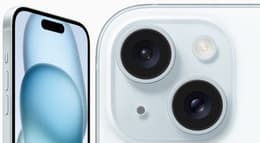
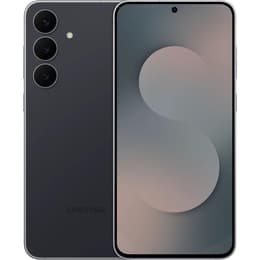
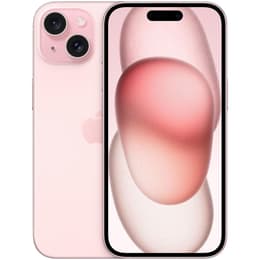
Galaxy S25 FE Vs iPhone 15

  • 1-year minimum warranty
  • Free delivery on all orders
  • Free 30-day returns
Galaxy S25 FE
Starting at

Refurbished price:€390.00

Versus €750.00 new

See options
iPhone 15
Starting at

Refurbished price:€407.00

Versus €879.00 new

See options

Differences at a glance

The Samsung Galaxy S25 FE (2025) and the Apple iPhone 15 (2023) represent two distinct approaches to modern smartphone engineering, balancing display preferences, software ecosystems, and daily utility. While the Galaxy device runs on the Android platform with a larger physical footprint, the iPhone relies on iOS within a compact form factor. Both handsets serve as practical choices for users seeking reliable daily performance, modern connectivity, and comprehensive feature sets.

Available Models

Colour

Storage

Scores

Durability

When examining hardware longevity and software support, both devices offer robust structures designed to endure years of regular daily use and maintenance.

  • Software support timelines: The Galaxy S25 FE benefits from an extended update schedule typical of recent Android releases, while the iPhone 15 maintains Apple's established multi-year software longevity window.
  • Repairability and build durability: Both models utilize sturdy aluminum frames paired with reinforced glass panels, achieving comparable repairability scores and dependable resistance against everyday wear and tear.
  • Practical lifespan expectations: Regular security updates and efficient power management help ensure both devices remain functional and responsive for several years of ownership.

Year of Release

2025

2023

Compatible with latest Update

Yes

Yes

OS

Android

iOS

Foldable

No

No

Performance

Underneath their exteriors, these smartphones manage everyday computing tasks, gaming, and multitasking through efficient hardware configurations tailored to different operational demands.

  • Everyday responsiveness and multitasking: Both devices handle standard application loading, web browsing, and switching between multiple active programs smoothly, supported by sufficient random access memory.
  • Storage capacity options: Each model offers tiered internal storage configurations starting at baseline levels suitable for standard media storage, though neither includes expandable memory slots.
  • Battery behavior and endurance: The Galaxy S25 FE features a larger physical battery capacity suited for extended mixed usage, while the iPhone 15 utilizes power-efficient optimization to balance all-day battery life within a smaller chassis.

Screen quality

Visual output and screen dimensions form a primary differentiator for users evaluating how content is displayed during media consumption and outdoor navigation.

  • Display technology and clarity: The Galaxy S25 FE employs a vibrant OLED panel with deep contrast levels, matching the sharp resolution and color accuracy found on the iPhone 15 display.
  • Refresh rate and motion smoothness: The Galaxy device supports a high refresh rate for fluid scrolling animations, whereas the iPhone operates at a standard refresh rate optimized for power efficiency.
  • Outdoor visibility and sizing: The Galaxy S25 FE provides a larger viewing workspace suited for productivity and media, while the iPhone 15 offers a compact 6.1-inch screen that remains easy to operate with one hand under bright sunlight.

Audiovisual

Imaging capabilities across both platforms cater to casual photography and video recording through capable multi-lens hardware configurations.

  • Main and auxiliary camera setups: The Galaxy S25 FE features a versatile triple-lens array including dedicated optical zoom, while the iPhone 15 utilizes an advanced dual-lens system featuring high-resolution main sensor cropping.
  • Low-light and video performance: Both smartphones capture detailed images in dim environments and record stable video clips with clear audio pickup from integrated microphones.
  • Media consumption and speaker output: Stereo speaker setups on both models deliver clear sound reproduction for casual music listening, video calls, and streaming content.

Miscellaneous

Practical daily usability is further shaped by physical dimensions, connection ports, and biometric security features embedded within each chassis.

  • Port types and connectivity: Both handsets utilize universal USB-C ports for charging and data transfer, alongside modern 5G cellular compatibility and fast wireless standards.
  • Biometric security sensors: The Galaxy S25 FE incorporates an under-display fingerprint reader and facial recognition, while the iPhone 15 relies exclusively on secure face-mapping technology.
  • Dimensions and physical handling: The iPhone 15 is lighter and more compact for pocket storage, whereas the Galaxy S25 FE offers a broader surface area and slightly heavier build to accommodate its larger screen.

Weight

190 g

171 g

Screen size (in)

6.7

6.1

Network

5G

5G

SIM card

Physical SIM + eSIM

eSIM

Carrier compatibility

Unlocked

Unlocked

Connector

USB-C

USB-C (USB 2)

What the community thinks

User discussions across community forums frequently praise the iPhone 15 for its comfortable one-handed ergonomics, reliable video recording quality, and intuitive operating system. At the same time, community feedback highlights the Galaxy S25 FE for its expansive display area, fluid scrolling performance, and versatile multi-lens camera arrangement. Some users note that the iPhone's standard refresh rate feels less fluid compared to high-refresh-rate alternatives, while others mention that the larger footprint of the Galaxy device requires more pocket space.

Users prioritizing a compact form factor and seamless integration within the iOS ecosystem may prefer the iPhone 15, while users who value a larger display workspace, high screen refresh rates, and Android versatility will lean toward the Galaxy S25 FE. Exploring a quality-assured refurbished option provides a sustainable choice that extends device lifecycles while reducing electronic waste. Ultimately, the choice depends on personal preferences regarding software environments, display dimensions, and physical handling characteristics.