

Compare models

Galaxy S25 FE Vs Google Pixel 9a

  • 1-year minimum warranty
  • Free delivery on all orders
  • Free 30-day returns
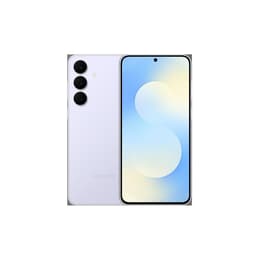
Galaxy S25 FE
Starting at

Refurbished price:403.00

Versus €739.44 new

See options
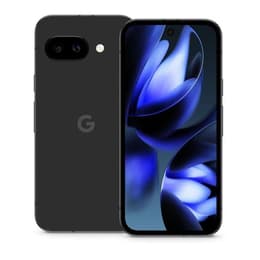
Google Pixel 9a
Starting at

Refurbished price:346.00

Versus €586.09 new

See options

Differences at a glance

The Samsung Galaxy S25 FE (2025) and the Google Pixel 9a (2025) represent contemporary mid-range smartphone options designed to bridge flagship capabilities with everyday practicality. While both devices run on the Android operating system, they approach hardware design, software interfaces, and daily usability from distinct perspectives. Choosing between them depends on whether a user prioritizes a larger media canvas and versatile camera optics or a streamlined, compact software ecosystem with extended long-term update support.

Available Models

Colour

Storage (GB)

Scores

Durability

Both smartphones provide modern durability and long-term support timelines, though their specific software lifecycles and build configurations differ in practical ways.

  • Software longevity and updates: The Google Pixel 9a offers an extended software commitment with seven years of OS and security patches, whereas the Samsung Galaxy S25 FE provides multi-year support aligning with standard industry flagship cycles.
  • Build and repair considerations: Both models incorporate robust water and dust resistance ratings (IP68) and sturdy glass-and-metal construction, though internal component repairability varies by manufacturer design.
  • Expected practical lifespan: Each device maintains sufficient hardware capability to endure several years of daily tasks, with software update duration serving as a primary differentiator for long-term retention.

Year of Release

2025

2025

Compatible with latest Update

Yes

Yes

OS

Android

Android

Foldable

No

No

Performance

System performance across both handsets manages everyday multitasking, demanding applications, and routine navigation smoothly, though storage configurations and battery behaviors diverge.

  • Storage and memory configurations: Both models typically feature 8 GB of RAM to handle concurrent app switching, while offering variable internal storage tiers starting at 128 GB to accommodate media files and applications.
  • Battery behavior: The Google Pixel 9a houses a large 5,100 mAh battery geared toward prolonged endurance, while the Galaxy S25 FE utilizes a 4,900 mAh battery paired with faster wired charging capabilities.
  • System responsiveness: Everyday actions such as launching web browsers, streaming media, and running multiple apps happen fluidly without noticeable stutter on either device.

Screen quality

Display characteristics vary significantly in physical dimensions and panel technology, impacting outdoor visibility and media consumption experiences.

  • Display technology and size: The Galaxy S25 FE features a larger 6.7-inch flat panel, whereas the Pixel 9a utilizes a more compact 6.3-inch OLED screen, both delivering sharp text rendering and rich contrast.
  • Refresh rate and fluidity: Both devices support up to a 120 Hz refresh rate, ensuring smooth scrolling through feeds, menus, and compatible mobile games.
  • Outdoor visibility: High peak brightness levels on both screens allow for clear readability under direct sunlight, adjusting automatically to ambient lighting conditions.

Resolution

1080x2340

2424 x 1080

Audiovisual

Photographic capabilities and media output cater to different user preferences through distinct multi-lens setups and audio-visual hardware.

  • Camera system versatility: The Galaxy S25 FE employs a triple-lens rear camera array including a dedicated telephoto option, while the Pixel 9a relies on a dual-lens setup paired with advanced computational photography processing for clear low-light shots.
  • Video recording: Both smartphones capture stable high-definition and 4K video footage equipped with optical image stabilization to minimize hand tremors during movement.
  • Media and audio output: Built-in stereo speakers deliver balanced sound for casual video playback and hands-free calling, supported by clear internal microphone arrays.

Miscellaneous

Physical dimensions and connectivity standards influence daily handling comfort, pocketability, and accessory compatibility.

  • Handling and ergonomics: The Pixel 9a is lighter and more compact, making it well-suited for single-handed operation, whereas the larger footprint of the Galaxy S25 FE accommodates a more expansive viewing area.
  • Connectivity and ports: Both devices support modern 5G networks, Wi-Fi standards, and Bluetooth connectivity, utilizing reversible USB-C ports for charging and data transfer.
  • Biometric security: Fast in-display fingerprint sensors and secure facial recognition options provide quick, convenient device unlocking on both models.

Weight

190 g

186 g

Screen size (in)

6.7

6.3

Network

5G

5G

SIM card

Physical SIM + eSIM

Physical SIM + eSIM

Carrier compatibility

Unlocked

Unlocked

Connector

USB-C

USB-C

What the community thinks

User feedback from online communities highlights distinct preferences for each device. Owners of the Galaxy S25 FE frequently praise its expansive display size and the inclusion of a dedicated telephoto camera lens, which aids in framing distant subjects. Conversely, Pixel 9a users often commend the reliable battery endurance, clean interface design, and straightforward integration of daily productivity tools. Common criticisms for the Samsung model occasionally center on its larger physical footprint in smaller pockets, while some Pixel users note limitations in charging speed relative to its large battery capacity.

Users prioritizing a larger screen workspace and versatile zoom optics may prefer the Samsung Galaxy S25 FE, while users prioritizing compact handling, streamlined software, and extended update longevity will lean toward the Google Pixel 9a. For those seeking a quality-assured refurbished option, exploring these models through platforms like Back Market offers a sustainable way to acquire either device with verified performance standards. Ultimately, the choice rests on whether physical display space or software support timeline holds higher priority for daily routines.