

Compare models
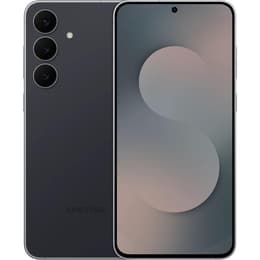
Galaxy S25 FE Vs Google Pixel 10
- 1-year minimum warranty
- Free delivery on all orders
- Free 30-day returns
Differences at a glance
The Samsung Galaxy S25 FE (2025) and the Google Pixel 10 (2025) are modern Android smartphones designed to deliver flagship-level daily experiences. While both models run on the Android operating system and target users looking for balanced hardware, they differ significantly in their approach to screen size, software integration, and physical form factor.
Available Models
Colour
Storage
Scores
Durability
Both devices launched in late 2025 and are built to remain supported by software updates for many years, making them solid long-term daily companions.
- Software Longevity: Both manufacturers provide extensive operating system update commitments, ensuring years of security and feature patches.
- Build Durability: Each phone incorporates robust weather-resistance ratings and protective glass layers designed to withstand daily wear and tear.
- Repair Ecosystem: Standardized component replacement options help extend the usable lifespan of both models through professional repair services.
Year of Release
2025
2025
Compatible with latest Update
Yes
Yes
OS
Android
Android
Foldable
No
No
Performance
Performance across both handsets handles demanding applications, gaming, and rapid multitasking smoothly without noticeable stuttering.
- System Responsiveness: Advanced internal processors manage heavy app switching and intensive background tasks efficiently.
- Memory and Storage: Generous memory allocation ensures fluid multitasking, paired with ample internal storage configurations for media and files.
- Battery Behavior: Both units house robust batteries capable of lasting through a full day of mixed browsing, messaging, and media playback.
Screen quality
Display panels on these devices offer bright, clear viewing experiences tailored to different physical preferences.
- Panel Technology: Vibrant display panels provide deep contrast levels and sharp resolution for comfortable reading and video consumption.
- Outdoor Visibility: High peak brightness levels ensure the screens remain legible under direct sunlight.
- Refresh Rate: Smooth high refresh rate support enables fluid scrolling through web pages and responsive touch interactions.
Audiovisual
The imaging systems on both phones deliver reliable results across diverse lighting conditions and everyday scenarios.
- Lens Versatility: Multi-lens rear camera arrays accommodate wide landscape shots and close-up details with ease.
- Low-Light Processing: Computational photography features brighten dark environments and preserve fine details without excessive grain.
- Media Audio: Stereo speaker setups offer clear audio output for hands-free calls, podcasts, and casual video viewing.
Miscellaneous
Practical daily usability elements shape how these devices fit into travel, work, and communication routines.
- Connectivity Standards: Support for modern cellular networks and Wi-Fi protocols guarantees fast data transmission on the go.
- Physical Handling: Ergonomic dimensions and balanced weight distribution dictate how comfortably each phone rests in the hand or pocket.
- Authentication: Secure biometric sensors provide quick unlocking via facial recognition or fingerprint scanning.
Weight
190 g
204 g
Screen size (in)
6.7
6.3
Network
5G
5G
SIM card
Physical SIM + eSIM
Physical SIM + eSIM
Carrier compatibility
Unlocked
Unlocked
Connector
USB-C
USB-C
What the community thinks
Choosing between the Samsung Galaxy S25 FE and the Google Pixel 10 depends largely on individual preference for screen estate and software environment. Users prioritizing a larger display area and Samsung's specific ecosystem features may lean toward the Galaxy model, while those favoring Google's streamlined interface and integrated artificial intelligence tools often prefer the Pixel line. Factual differences in physical dimensions and camera processing style ultimately guide which device suits a given daily routine best. Opting for a quality-assured refurbished option provides a sustainable choice that extends device lifecycles while maintaining reliable performance.