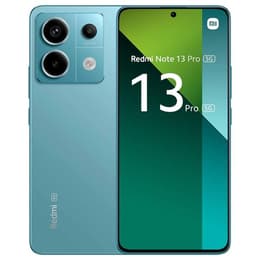


Compare models
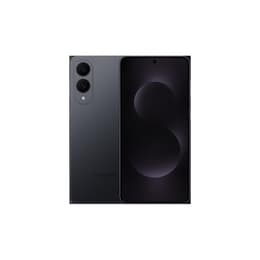
Galaxy S25 Edge Vs Xiaomi Redmi Note 13 Pro
- 1-year minimum warranty
- Free delivery on all orders
- Free 30-day returns
Differences at a glance
The Samsung Galaxy S25 Edge (2025) and the Xiaomi Redmi Note 13 Pro (2023) represent different approaches to modern smartphone engineering, balancing ultra-slim portability against everyday reliability. While both devices deliver sharp multi-camera configurations and high-refresh-rate viewing experiences, they cater to distinct device categories through their design choices and software environments.
Available Models
Colour
Storage
Scores
Durability
When evaluating structural longevity and software longevity, these models offer distinct support timelines and physical endurance profiles suited for different long-term expectations.
- Software update timeline: The Galaxy S25 Edge benefits from an extended multi-year OS support window, whereas the Redmi Note 13 Pro operates on an established, shorter software support lifecycle.
- Repairability and durability: Both devices feature robust front glass protections, though users looking for a sustainable choice can find quality-assured refurbished options that extend a device's active lifecycle without compromising structural integrity.
Year of Release
2025
2023
Compatible with latest Update
Yes
Yes
OS
Android
Android
Foldable
No
No
Performance
Underneath their exteriors, these smartphones handle everyday applications, gaming, and multitasking through differing hardware architectures that influence overall responsiveness.
- Everyday system responsiveness: The Galaxy S25 Edge handles demanding applications, graphic-heavy gaming, and rapid multitasking with top-tier efficiency, while the Redmi Note 13 Pro manages daily messaging, web browsing, and casual media consumption reliably.
- Battery behavior and capacity: The Galaxy S25 Edge relies on a slender internal battery designed for moderate daily routines, whereas the Redmi Note 13 Pro accommodates a larger physical battery capacity to sustain extended periods of standard use between charges.
Screen quality
Display panels on both devices deliver vibrant imagery, though they differ in peak luminance levels, panel technologies, and physical dimensions.
- Display technology and clarity: The Galaxy S25 Edge features an advanced high-resolution AMOLED panel with deep contrast ratios, while the Redmi Note 13 Pro utilizes a bright AMOLED display equipped with smooth motion rendering.
- Outdoor visibility: Both screens maintain clear legibility under bright daylight conditions, though high-tier brightness adjustments on the Galaxy S25 Edge offer additional clarity in direct sunlight.
Resolution
1440 x 3120
1220 x 2712
Audiovisual
Photography and media consumption capabilities vary across these models through distinct sensor resolutions and audio output configurations.
- Camera versatility: Both handsets incorporate high-megapixel main sensors capable of capturing detailed daylight photography, complemented by ultra-wide lenses for landscape shots.
- Media and audio output: Users streaming videos or listening to music will find crisp built-in speaker systems, alongside balanced microphone arrays for clear voice calls and video recording.
Miscellaneous
Physical handling characteristics and connectivity standards shape the everyday ergonomic experience of carrying and using each device.
- Dimensions and handling: The Galaxy S25 Edge focuses on an exceptionally thin, lightweight profile for comfortable pocketability, whereas the Redmi Note 13 Pro offers a slightly thicker, balanced chassis footprint.
- Connectivity and ports: Both models support modern wireless connectivity standards, including fast mobile data networks and Wi-Fi protocols, alongside reversible USB Type-C charging ports.
Weight
163 g
187 g
Screen size (in)
6.7
6.67
Network
5G
5G
SIM card
Physical SIM + eSIM
Dual Physical SIM
Carrier compatibility
Unlocked
Unlocked
Connector
USB-C
USB-C
What the community thinks
Choosing between the Samsung Galaxy S25 Edge and the Xiaomi Redmi Note 13 Pro depends largely on individual workflow priorities and daily usage habits. Users prioritizing cutting-edge processing efficiency, an exceptionally slim physical profile, and extended software longevity may prefer the Galaxy S25 Edge, while users focusing on everyday reliability and steady battery endurance will find the Redmi Note 13 Pro well-suited to their needs.
Opting for a quality-assured refurbished option provides a sustainable path to acquiring either device while supporting eco-friendly technology consumption. Reviewing these practical differences helps ensure your final selection aligns closely with your daily communication and media requirements.