
Compare models

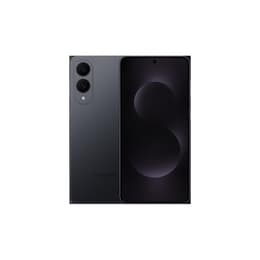
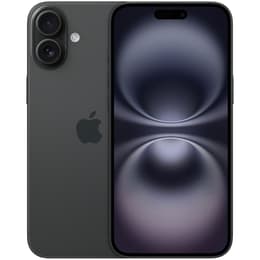
Galaxy S25 Edge Vs iPhone 16 Plus

  • 1-year minimum warranty
  • Free delivery on all orders
  • Free 30-day returns
Galaxy S25 Edge
Starting at

Refurbished price:€475.00

Versus €1,275.21 new

See options
iPhone 16 Plus
Starting at

Refurbished price:€565.00

Versus €979.00 new

See options

Differences at a glance

The Samsung Galaxy S25 Edge (2025) and the iPhone 16 Plus (2024) represent two distinct approaches to large-screen smartphone design. While both feature expansive displays suited for media and productivity, they diverge significantly in physical profile, operating systems, and core hardware philosophies. Choosing between them depends on whether user priorities lean toward an ultra-slim titanium build or long battery longevity within an iOS ecosystem.

Available Models

Colour

Storage

Scores

Durability

Both devices are built for long-term daily use, though their software update timelines and physical durability profiles differ based on their engineering and release schedules.

  • Software support and longevity: The iPhone 16 Plus benefits from Apple's extended update cycles, ensuring consistent feature additions for several years, while the Galaxy S25 Edge runs on Android with a structured multi-year security update commitment.
  • Build and repairability: The Galaxy S25 Edge utilizes a titanium frame in an exceptionally thin chassis, whereas the iPhone 16 Plus employs an aluminum frame with durable glass panels, both offering standard water and dust resistance ratings.
  • Expected lifespan: Both models maintain strong hardware durability, making quality-assured refurbished options from Back Market a sustainable choice for users seeking extended device longevity without environmental waste.

Year of Release

2025

2024

Compatible with latest Update

Yes

Yes

Foldable

No

No

Performance

System responsiveness and everyday multitasking capabilities differ due to distinct internal hardware configurations and software optimizations on each platform.

  • Multitasking and app handling: Both devices manage demanding apps, heavy browsing, and background processes smoothly, though differences in internal memory allocation influence how many intensive applications remain active simultaneously.
  • Storage configurations: The Galaxy S25 Edge starts with higher base storage capacities, whereas the iPhone 16 Plus offers a wider range of tiers starting from a smaller baseline configuration.
  • Battery behavior: The iPhone 16 Plus features a larger physical battery capacity that generally translates to extended endurance during video playback, while the slimmer profile of the Galaxy S25 Edge accommodates a more compact battery suited for moderate daily use.

Screen quality

Both smartphones provide large viewing areas ideal for streaming and reading, yet utilize distinct display panel technologies and visual characteristics.

  • Display technology and clarity: The Galaxy S25 Edge features a high-resolution AMOLED screen delivering deep contrast levels, while the iPhone 16 Plus employs a Super Retina XDR display known for accurate color reproduction and sharpness.
  • Outdoor visibility: Both screens reach high peak brightness levels, ensuring content remains legible under direct sunlight or bright ambient lighting conditions.
  • Refresh rate and smoothness: The Galaxy S25 Edge offers a fluid high refresh rate for scrolling motions, whereas the iPhone 16 Plus maintains a standard refresh rate for everyday navigation.

Resolution

1440 x 3120

1290 x 2796

Audiovisual

Photography and media recording capabilities vary across both models, offering distinct lens arrangements and processing styles for everyday moments.

  • Main camera systems: The Galaxy S25 Edge incorporates a very high-resolution main sensor for detailed stills, while the iPhone 16 Plus relies on a balanced dual-lens setup optimized for quick point-and-shoot accuracy.
  • Video and audio recording: Both phones capture stable, high-definition video with clear directional sound capture, making them reliable tools for casual content creation and video calls.
  • Media consumption: Built-in stereo speakers on both devices provide balanced audio output for podcasts, music, and video playback without requiring external headphones.

Miscellaneous

Physical dimensions and connectivity standards shape how each device fits into daily routines and travel requirements.

  • Handling and ergonomics: The Galaxy S25 Edge stands out for its remarkably thin profile and lightweight titanium construction, whereas the iPhone 16 Plus offers a slightly thicker, contoured aluminum body with a familiar hand-feel.
  • Connectivity and ports: Both models support current 5G networks, fast Wi-Fi standards, and use universal USB-C ports for charging and data transfer.
  • Security features: Biometric authentication relies on facial recognition systems on the iPhone, while the Samsung alternative integrates an in-display fingerprint sensor alongside facial recognition.

Weight

163 g

199 g

Screen size (in)

6.7

6.7

Network

5G

5G

SIM card

Physical SIM + eSIM

eSIM

Carrier compatibility

Unlocked

Unlocked

Connector

USB-C

USB-C (USB 2)

What the community thinks

Community discussions on platforms like Reddit indicate that users appreciate the iPhone 16 Plus for its reliable battery longevity and seamless integration within the Apple ecosystem, though some note the absence of a higher screen refresh rate. Conversely, users frequently praise the Galaxy S25 Edge for its striking ultra-slim profile and vibrant high-resolution display, while noting that its thinner battery capacity requires more mindful power management during heavy work days.

Users prioritizing an exceptionally lightweight and thin physical build alongside a high-refresh-rate display may prefer the Galaxy S25 Edge, while users seeking extended battery endurance and long-term iOS software support will likely lean toward the iPhone 16 Plus. Exploring quality-assured refurbished models on Back Market provides an eco-friendly alternative for acquiring either device while reducing electronic waste. Ultimately, the right choice depends on personal preferences regarding operating systems and everyday handling comfort.