

Galaxy S24 FE Vs Galaxy S25 Ultra

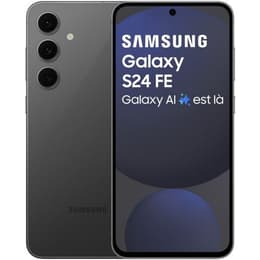
Galaxy S24 FE
Galaxy S24 FE
Starting at

Refurbished price:329.00

Versus €991.15 new

See options
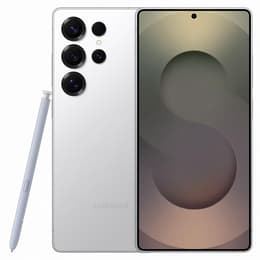
Galaxy S25 Ultra
Galaxy S25 Ultra
Starting at

Refurbished price:735.00

Versus €1,408.78 new

See options

Ratings

The Samsung Galaxy S24 FE, released in late 2024, and the Samsung Galaxy S25 Ultra, launched in early 2025, represent different tiers within Samsung's smartphone lineup. While the S24 FE aims to deliver a premium experience at a more accessible point, the S25 Ultra stands as the brand's top-tier flagship, pushing boundaries in performance and features. Both devices operate on the Android platform, offering a consistent software experience, but they cater to distinct user needs through their core specifications and capabilities.

Scores

Durability

When considering the long-term usability of these devices, their release timelines and software support are key factors.

  • Release Timeline: The Galaxy S24 FE was released in October 2024, while the Galaxy S25 Ultra followed in February 2025. This means the S25 Ultra benefits from a slightly newer starting point for software updates and overall longevity.
  • Software Longevity: The Galaxy S25 Ultra is expected to receive up to seven major Android operating system upgrades, ensuring it remains current with the latest features and security patches for an extended period. While the S24 FE also benefits from Samsung's commitment to software support, the S25 Ultra, as a newer flagship, typically receives priority and potentially longer support.
  • Build and Materials: The S25 Ultra features a titanium frame and Corning Gorilla Armor 2 on both its front and back, contributing to enhanced durability and scratch resistance. The S24 FE utilizes Gorilla Glass Victus+ for its display and rear panel, offering robust protection for everyday use.

Year of Release

2024

2025

OS

Android

Android

Foldable

No

No

Performance

The performance capabilities of these two Samsung smartphones vary significantly, reflecting their different market positions.

  • Processor Capabilities: The Galaxy S25 Ultra is powered by the Qualcomm Snapdragon 8 Elite processor, which offers substantial improvements in CPU, GPU, and AI performance compared to its predecessors. This translates to exceptionally smooth operation for demanding applications, intensive multitasking, and advanced on-device AI features. The Galaxy S24 FE features the Samsung Exynos 2400e processor, a capable chip that handles daily tasks and most applications with ease.
  • System Responsiveness: Users of the S25 Ultra report an extremely fluid and responsive experience, with app launches and transitions feeling instantaneous. The S24 FE also provides a fast and smooth user experience for general usage, though it may show some performance dips during prolonged, intensive tasks like heavy gaming.
  • Storage and RAM: The S25 Ultra typically comes with 12GB of RAM, with some regions offering a 16GB option, alongside storage choices up to 1TB. The S24 FE is equipped with 8GB of RAM and offers 128GB or 256GB of internal storage.

Memory (GB)

8 GB

12 GB

Screen quality

Both devices offer impressive visual experiences, but the S25 Ultra provides a more advanced display.

  • Display Technology and Clarity: The Galaxy S25 Ultra features a 6.9-inch Dynamic LTPO AMOLED 2X display with a QHD+ resolution (1440x3120 pixels), delivering sharp details and vibrant colors. The S24 FE comes with a 6.7-inch Dynamic AMOLED 2X FHD+ display (1080x2340 pixels), which also offers clear visuals and good color reproduction.
  • Brightness and Refresh Rate: The S25 Ultra boasts a peak brightness of 2600 nits, making it highly visible even in bright outdoor conditions, and features a 120Hz adaptive refresh rate for smooth scrolling and animations. The S24 FE also has a 120Hz refresh rate and a peak brightness of 1900 nits, providing a bright and fluid viewing experience.
  • Viewing Experience: The S25 Ultra's slightly larger screen and thinner bezels contribute to a more immersive viewing experience. Both displays are well-suited for media consumption, offering rich colors and good contrast.

Resolution

1080 x 2340

1080 x 2340 pixels

Audiovisual

The camera systems on these two phones are designed for different levels of photographic ambition.

  • Camera System Capabilities: The Galaxy S25 Ultra features a versatile quad-camera setup, including a 200MP main sensor, a 50MP ultrawide lens, a 10MP telephoto lens with 3x optical zoom, and a 50MP periscope telephoto lens with 5x optical zoom. The S24 FE offers a triple-camera system with a 50MP main sensor, a 12MP ultrawide, and an 8MP telephoto lens with 3x optical zoom.
  • Photography Performance: The S25 Ultra excels in various scenarios, delivering excellent detail, natural colors, and strong zoom capabilities, particularly in low-light conditions. Its 50MP ultrawide camera is a notable upgrade, improving low-light performance for wider shots. The S24 FE provides good camera quality in daylight with rich, defined colors, and its 3x optical zoom is effective for general use. However, its ultrawide camera can be softer, and low-light performance is not as refined as the Ultra model.
  • Video Recording: Both devices support 8K video recording at 30 frames per second. The S25 Ultra also offers 4K recording at up to 120 frames per second and includes features like 10-bit HDR and gyro-EIS for stable footage.

Miscellaneous

Beyond the core specifications, several practical elements differentiate the S24 FE and S25 Ultra.

  • Connectivity and Ports: The Galaxy S25 Ultra supports the latest Wi-Fi 7 standard, offering faster and more reliable wireless connections, alongside Bluetooth 5.3 and a USB-C port. The S24 FE features Wi-Fi 6E, Bluetooth 5.3, and a USB 3.2 Type-C port.
  • Design and Handling: The S25 Ultra features a refined design with a titanium frame and slightly rounded corners, making it comfortable to hold despite its large size. It also includes an integrated S Pen stylus. The S24 FE has a sleek design with slimmer bezels compared to its predecessor and a comfortable grip. The S25 Ultra is slightly lighter and thinner than the S24 Ultra.
  • Security and Other Features: Both phones include an in-display fingerprint scanner, though the S25 Ultra's ultrasonic sensor is typically faster than the S24 FE's optical one. Both devices also integrate Samsung's Galaxy AI features, enhancing various aspects of user interaction and productivity.

Weight

213 g

2 g

Screen size (in)

6.7

6.9

Network

5G

5G

SIM card

Dual Physical SIM

Physical SIM + eSIM

Carrier compatibility

Unlocked

Unlocked

Connector

USB-C

USB-C

The Samsung Galaxy S24 FE and Galaxy S25 Ultra cater to different user priorities, each offering a compelling set of features. Users frequently praise the S25 Ultra for its exceptional camera system, particularly its zoom capabilities and low-light performance, as well as its powerful processor and vibrant display. Its long-lasting battery life is also a common highlight among users. Some users, however, note that the S Pen on the S25 Ultra has lost some Bluetooth-based gesture functionalities compared to its predecessor.

The Galaxy S24 FE is often lauded for delivering a strong overall experience, especially its capable camera in good lighting and its improved battery efficiency compared to previous FE models. Criticisms sometimes point to the ultrawide camera's softness and less impressive low-light performance compared to higher-end flagships.

Users prioritizing the absolute latest in mobile technology, a top-tier camera system with advanced zoom, and the most powerful processing for demanding tasks and AI features will find the Galaxy S25 Ultra well-suited to their needs. Its larger, brighter display and premium build materials also appeal to those seeking a no-compromise flagship experience. Conversely, users who value a balanced smartphone with solid performance, a good camera for everyday photography, and a comfortable design without needing the absolute cutting edge will likely prefer the Galaxy S24 FE. It offers a quality experience for general use, media consumption, and moderate gaming.

For those considering either device, exploring quality-assured refurbished options can provide an eco-friendly alternative to owning these advanced smartphones.


See all articles

Our recent comparisons