
Compare models
Galaxy S23 Vs Google Pixel 9a
- 1-year minimum warranty
- Free delivery on all orders
- Free 30-day returns
Differences at a glance
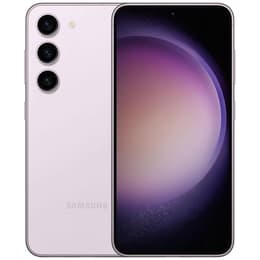
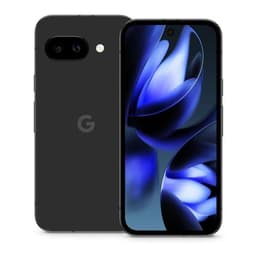
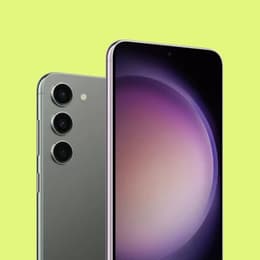
The Samsung Galaxy S23 (2023) and the Google Pixel 9a (2025) represent two distinct approaches to modern smartphone design, offering users tailored experiences through different release eras and software ecosystems. While the Galaxy S23 focuses on a compact flagship build, the Google Pixel 9a prioritizes a larger viewing area paired with current-generation software capabilities. Both devices run on the Android operating system, though they deliver unique interface styles and distinct update paths.
Available Models
Colour
Storage
Scores
Durability
When evaluating structural longevity and software support, both smartphones offer robust multi-year timelines with notable differences in their release schedules and update commitments.
- Software longevity: The Google Pixel 9a benefits from an extended software support window spanning seven years from launch, whereas the Galaxy S23 operates on a shorter remaining update schedule due to its earlier release year.
- Build durability: Both models incorporate water resistance and sturdy outer frames, though their physical dimensions and repairability pathways vary based on internal layout design.
- Expected lifespan: Daily hardware endurance remains high for both units, making quality-assured refurbished options a sustainable choice for users seeking long-term reliability.
Year of Release
2023
2025
Compatible with latest Update
Yes
Yes
OS
Android
Android
Foldable
No
No
Performance
Internal hardware configurations dictate how each device handles routine apps, multitasking sessions, and heavy resource demands during daily use.
- System responsiveness: Both devices load everyday applications instantly and switch between open tasks smoothly, supported by efficient memory allocation and optimized processors.
- Battery behavior: The Google Pixel 9a incorporates a higher-capacity battery that easily sustains extended usage throughout a demanding day, while the Galaxy S23 relies on a smaller cell that suits moderate daily routines.
- Storage capacity: Both smartphones offer standard configurations starting at 128GB, accommodating extensive media libraries and local file storage without expandable memory slots.
Screen quality
Visual output and panel characteristics define the media consumption and outdoor viewing experience provided by each display.
- Display technology: Both phones utilize vibrant OLED panels that deliver deep black levels, high contrast ratios, and sharp text rendering for comfortable reading.
- Refresh rate smoothness: The screens support adaptive high refresh rates up to 120Hz, ensuring fluid scrolling through web pages and responsive animations during navigation.
- Panel dimensions: The Galaxy S23 features a compact 6.1-inch screen tailored for one-handed operation, while the Google Pixel 9a offers a slightly larger 6.3-inch viewing workspace.
Resolution
1080 x 2340
2424 x 1080
Audiovisual
Imaging hardware and built-in audio components shape how each device captures memories and reproduces media soundscapes.
- Camera capabilities: The Galaxy S23 includes a dedicated optical telephoto zoom lens for distant subjects, whereas the Google Pixel 9a relies on high-resolution main sensors paired with advanced computational photography tools.
- Video and low-light performance: Both units record stable high-definition video and capture clear details in dim environments using built-in optical image stabilization.
- Media audio output: Stereo speaker configurations on both smartphones provide balanced sound delivery for hands-free calls, video streaming, and casual music playback.
Front camera
12 megapixels
13 megapixels
Miscellaneous
Physical handling characteristics, connectivity protocols, and sensor options determine how comfortably each device integrates into daily routines.
- Dimensions and weight: The Galaxy S23 measures lighter and narrower for effortless pocket storage, while the Google Pixel 9a provides a broader surface area and increased mass to house its larger battery.
- Authentication sensors: Both devices feature responsive biometric security options, utilizing under-display fingerprint readers and facial recognition for secure unlocking.
- Connectivity standards: Modern 5G cellular modems, Wi-Fi compatibility, and Bluetooth modules are standard across both models for reliable wireless networking.
Weight
167 g
186 g
Screen size (in)
6.1
6.3
Network
5G
5G
SIM card
Physical SIM + eSIM
Physical SIM + eSIM
Carrier compatibility
Unlocked
Unlocked
Connector
USB-C
USB-C
What the community thinks
User feedback from online communities highlights distinct preferences for each device based on everyday requirements. Owners of the Galaxy S23 frequently praise its compact form factor, comfortable pocketability, and the added versatility of a dedicated optical zoom lens. Conversely, users often commend the Google Pixel 9a for its reliable battery endurance, fluid display, and long-term software support window.
Users prioritizing a smaller, lighter handset with optical zoom capabilities may prefer the Galaxy S23. Meanwhile, users prioritizing extended battery longevity and a longer software update commitment will lean toward the Google Pixel 9a. Exploring a quality-assured refurbished option provides an eco-friendly alternative for acquiring either device while supporting sustainable technology consumption.