

Galaxy A50 Vs iPhone X

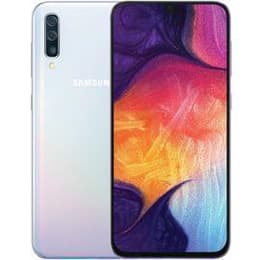
Galaxy A50
Galaxy A50
Starting at

Refurbished price:107.00

Versus €349.00 new

See options
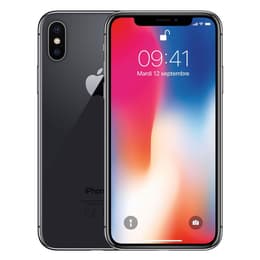
iPhone X
iPhone X
Starting at

Refurbished price:130.00

Versus €439.00 new

See options

Ratings

The Samsung Galaxy A50, an Android smartphone released in March 2019, and the Apple iPhone X, an iOS smartphone launched in November 2017, represent different approaches to mobile technology. While the Galaxy A50 focuses on a larger display and versatile camera system within the Android ecosystem, the iPhone X introduced a new design language and advanced facial recognition for Apple's platform. These differences extend to their core specifications and user experiences.

Scores

Durability

The practical lifespan of a smartphone is influenced by its initial release, ongoing software support, and physical resilience.

  • Release Timeline: The iPhone X was released in November 2017, making it an older device compared to the Galaxy A50, which launched in March 2019. This age difference impacts how much longer each device is likely to receive official software updates.
  • Software Longevity: The iPhone X received major iOS updates up to iOS 16, with security updates continuing for a period after. It did not receive iOS 17. The Galaxy A50, initially running Android 9.0 Pie, received major OS updates up to Android 11. Apple generally provides longer major OS support for its devices compared to many Android manufacturers.
  • Repairability and Build: The iPhone X features a glass front and back with a stainless steel frame, offering a premium feel and IP67 water and dust resistance. It received a repairability score of 6 out of 10, with display and battery replacements being relatively straightforward. The Galaxy A50 has a plastic back and a Gorilla Glass 3 front, and it does not have an official IP rating for water resistance. Its repairability score is noted as 7.0 out of 10, with accessible battery and screen components, though the use of adhesive for the back cover and battery can complicate repairs.

Year of Release

2019

2017

Compatible with latest Update

No

No

OS

Android

iOS

Foldable

No

No

Performance

Performance in daily use is a key factor, encompassing how smoothly applications run, how efficiently the battery operates, and the device's overall responsiveness.

  • System Responsiveness: The iPhone X, powered by its A11 Bionic chip, offers a fluid user experience, handling demanding applications and multitasking with efficiency. The Galaxy A50, with its Exynos 9610 processor, provides capable performance for everyday tasks and general use, though it may not match the iPhone X's raw processing power for highly intensive applications.
  • Battery Behavior: The Galaxy A50 is equipped with a 4000 mAh battery, which generally provides a full day of use for many users, and some reports suggest it can last up to one and a half to two days with moderate usage. The iPhone X has a 2716 mAh battery. While optimized for iOS, its battery life is often described as average, with heavy users potentially needing to recharge before the end of a full day.
  • Storage and Multitasking: Both devices offer various internal storage options. The Galaxy A50 supports expandable storage via a microSD card, providing flexibility for users who need more space for media and applications. The iPhone X does not offer expandable storage. The RAM configurations on both devices are sufficient for typical multitasking, allowing users to switch between apps without significant slowdowns.

Memory (GB)

4 GB

3 GB

Screen quality

The display is a primary interface for users, and its quality significantly impacts the viewing experience.

  • Display Technology and Clarity: Both the iPhone X and Galaxy A50 feature OLED display technology, known for deep blacks and vibrant colors. The iPhone X has a 5.8-inch Super Retina OLED display with a resolution of 1125 x 2436 pixels, resulting in a pixel density of 458 ppi. The Galaxy A50 features a larger 6.4-inch Super AMOLED display with a resolution of 1080 x 2340 pixels, offering a clear viewing experience at approximately 403 ppi.
  • Brightness and Viewing Experience: Both displays offer good brightness levels suitable for indoor and outdoor viewing. The iPhone X's OLED panel is noted for its clean, crisp appearance and good viewing angles. The Galaxy A50's Super AMOLED screen is also praised for its vibrant colors and good viewing angles, providing an immersive experience with its edge-to-edge design.
  • Refresh Rate and Size: Both devices feature a standard 60Hz refresh rate, which provides a smooth experience for most content. The iPhone X's 5.8-inch screen offers a compact yet expansive viewing area, while the Galaxy A50's 6.4-inch display provides a larger canvas, which can be beneficial for media consumption and productivity.

Resolution

1080 x 2340

1125 x 2436

Screen type

Super AMOLED

Super Retina OLED

Audiovisual

Camera capabilities are often a deciding factor for many users, influencing how they capture and share moments.

  • Rear Camera System: The Galaxy A50 features a triple rear camera setup, including a 25MP wide lens, an 8MP ultrawide lens, and a 5MP depth sensor. This configuration offers versatility, allowing for wide-angle shots and depth effects. The iPhone X has a dual 12MP rear camera system, consisting of a wide-angle lens and a telephoto lens, both with optical image stabilization (OIS).
  • Photography Performance: In good lighting, the Galaxy A50's main camera captures decent photos with good detail and color accuracy. Its ultrawide sensor adds flexibility, though low-light performance is generally considered less strong. The iPhone X performs well in daylight, producing sharp images with vibrant colors. Its dual cameras and OIS contribute to stable shots. While capable, it lacks advanced features like a dedicated night mode and may struggle in very low-light conditions compared to newer devices.
  • Video Recording and Audio: The Galaxy A50 can record video at up to 1080p resolution, and its camera app limits the maximum video recording resolution to 1080p. The iPhone X supports 4K video recording. Both devices offer acceptable microphone quality for calls and recordings. The Galaxy A50 has a single bottom-firing speaker that is generally loud enough for media consumption, though it may distort at maximum volume. The iPhone X provides a good media consumption experience with its speakers.

Main camera

25 megapixels

12 megapixels

Front camera

25 megapixels

7 megapixels

Miscellaneous

Beyond core features, several practical elements contribute to the overall user experience and device utility.

  • Connectivity and Ports: Both devices support modern connectivity standards, including 4G LTE, Wi-Fi, and Bluetooth. The Galaxy A50 includes a 3.5mm headphone jack and a USB-C port for charging and data transfer. The iPhone X uses a Lightning port for charging and accessories and does not have a 3.5mm headphone jack.
  • Biometric Security: The iPhone X introduced Face ID, an advanced facial recognition system for secure unlocking and authentication. The Galaxy A50 features an in-display optical fingerprint sensor for biometric security.
  • Design and Handling: The iPhone X features a glass and stainless steel construction, giving it a premium and solid feel. It weighs 174 grams. The Galaxy A50 has a lighter build, weighing 166 grams, with a plastic back and a slim profile, making it comfortable to hold despite its larger screen size.

Weight

166 g

174 g

Width

7,47 cm

7,09 cm

Height

15,85 cm

14,36 cm

Depth

0,77 cm

0,77 cm

Screen size (in)

6.4

5.8

Network

4G

4G

SIM card

Dual Physical SIM

Physical SIM

Carrier compatibility

Unlocked

Unlocked

Connector

USB-C + Jack 3.5mm

Lightning

The Samsung Galaxy A50 and iPhone X cater to different user preferences, reflecting their distinct operating systems and design philosophies. Users often praise the Galaxy A50 for its vibrant Super AMOLED display, long-lasting battery, and the flexibility offered by its triple camera system and expandable storage. Criticisms sometimes point to its plastic build and less robust low-light camera performance compared to higher-end devices.

The iPhone X is frequently lauded for its premium build quality, the fluid performance of iOS, and the innovative Face ID system. Common user concerns often revolve around its battery life, which for some heavy users may not last a full day, and the eventual cessation of major iOS updates due to its age.

Users prioritizing a larger display, versatile camera options, and the flexibility of Android with expandable storage may find the Galaxy A50 well-suited to their needs. It offers a strong balance for everyday tasks and media consumption. Conversely, users who value a premium build, consistent software experience, and robust facial recognition technology might lean towards the iPhone X. Its compact form factor and established ecosystem remain appealing.

For those considering either device, exploring quality-assured refurbished options can provide an eco-friendly alternative, extending the life of these capable smartphones and offering a sustainable choice for consumers.


See all articles

Our recent comparisons