

Compare models

Galaxy S23 Vs Galaxy S26

  • 1-year minimum warranty
  • Free delivery on all orders
  • Free 30-day returns
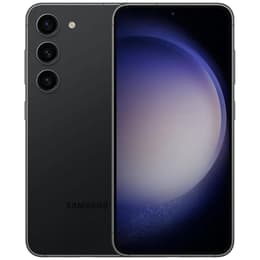
Galaxy S23
Starting at

Refurbished price:266.00

Versus €959.00 new

See options
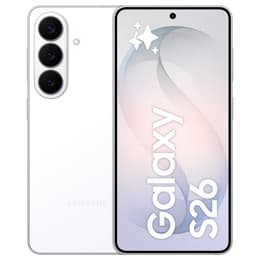
Galaxy S26
Starting at

Refurbished price:620.00

Versus €999.00 new

See options

Differences at a glance

The Samsung Galaxy S23 (2023) and the Samsung Galaxy S26 (2026) represent different generations of Samsung's compact flagship smartphone line. While both devices share a focus on high-end mobile computing and polished design, the newer Galaxy S26 introduces refined hardware and expanded software longevity that set it apart from its predecessor.

Both smartphones operate on the Android platform with Samsung's custom interface, providing a familiar ecosystem experience. Understanding how their internal capabilities, physical designs, and daily usability differ will help consumers determine which model fits their personal workflow.

Available Models

Colour

Storage (GB)

Scores

Durability

When examining software longevity and physical resilience, the release timeline and support windows of these two generations present distinct considerations for long-term ownership.

  • Software Support Window: The Galaxy S26 benefits from an extended software update schedule running further into the decade, whereas the Galaxy S23 occupies an earlier position in its support lifecycle. Users seeking maximum software longevity will find the newer model aligned with longer update commitments.
  • Repairability and Build Longevity: Both devices utilize aluminum frames and reinforced glass panels designed to withstand daily wear. Standardized internal layouts mean both models score moderately well for professional component repairs, supporting an extended practical lifespan as a quality-assured refurbished option.

Year of Release

2023

2026

Performance

Processing power and resource management dictate how smoothly each device handles everyday multitasking, demanding applications, and background tasks.

  • System Responsiveness and Multitasking: The Galaxy S26 delivers faster app loading speeds and smoother graphical rendering during intensive tasks thanks to its newer internal hardware. The Galaxy S23 handles everyday communication, media streaming, and standard apps reliably, though heavy multitasking may show slight processing differences.
  • Battery Behavior: Battery capacity and power efficiency vary between the two generations. The Galaxy S26 benefits from modern power management optimizations that help sustain daily use, while the Galaxy S23 provides dependable battery retention that typically requires a daily recharge for standard users.

Screen quality

Visual clarity, outdoor visibility, and motion smoothness shape the media consumption and daily interaction experience on both displays.

  • Display Technology and Brightness: Both smartphones feature vibrant OLED screens that deliver deep black levels and high contrast for photos and videos. The Galaxy S26 incorporates higher peak outdoor brightness levels for easier legibility under direct sunlight, while the Galaxy S23 offers clear viewing capabilities for typical indoor and outdoor environments.
  • Refresh Rate and Fluidity: Both models support adaptive refresh rates up to 120Hz, ensuring smooth scrolling through web pages, documents, and user interface menus. Screen sizes remain compact and pocket-friendly across both generations, balancing comfortable one-handed use with immersive media viewing.

Audiovisual

Optics, sensor capabilities, and audio components dictate how well each device captures daily moments and handles media playback.

  • Camera System Versatility: The Galaxy S26 features refined image sensors and updated computational processing that improve low-light clarity and detail retention. The Galaxy S23 utilizes a dependable multi-lens setup covering standard, ultra-wide, and telephoto focal lengths suitable for everyday photography.
  • Audio and Video Output: Both models record high-resolution video with stabilization features and clear stereo sound capture via integrated microphones. Built-in stereo speakers on both devices deliver balanced audio output for podcasts, casual video viewing, and hands-free calls.

Miscellaneous

Physical dimensions, connectivity standards, and daily handling characteristics determine how each smartphone integrates into everyday routines.

  • Connectivity and Standards: Both devices support 5G cellular networks, modern Wi-Fi protocols, and Bluetooth standards for reliable accessory pairing. Physical ports rely on standard USB-C connections for charging and data transfer, omitting traditional headphone jacks on both models.
  • Physical Dimensions and Handling: The Galaxy S23 and Galaxy S26 share a compact smartphone form factor with slim profiles and comfortable ergonomics. Subtle refinements in weight distribution and bezel dimensions on the newer model offer minor handling adjustments, while both devices maintain water and dust resistance ratings for everyday peace of mind.

Screen size (in)

6.1

6.3

Network

5G

5G

SIM card

Physical SIM + eSIM

Physical SIM + eSIM

Carrier compatibility

Unlocked

Unlocked

What the community thinks

User discussions across public forums frequently highlight the Galaxy S23 for its balanced size, reliable daily performance, and established presence in the mobile market. Common praise focuses on its comfortable ergonomics and capable camera system, while occasional criticisms note that battery capacity requires a daily charge under heavy usage conditions. Conversely, discussions surrounding the Galaxy S26 center on its refined processing efficiency, brighter display panels, and extended software support window, though some users note that generational design changes are incremental.

Users prioritizing maximum software longevity and the latest processing capabilities may prefer the Galaxy S26, while individuals seeking a dependable, streamlined smartphone experience for standard daily tasks will find the Galaxy S23 well-suited to their needs. For consumers exploring sustainable technology choices, choosing a quality-assured refurbished option provides a reliable way to access these features while supporting eco-friendly alternatives. Evaluating personal usage habits against these practical differences will guide an informed decision.