

Compare models
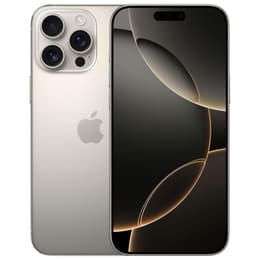
Google Pixel 10 Pro Vs iPhone 16 Pro Max
- 1-year minimum warranty
- Free delivery on all orders
- Free 30-day returns
Differences at a glance
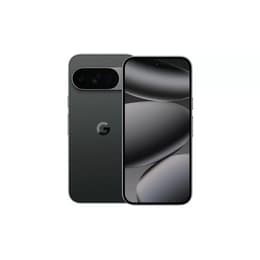
The Google Pixel 10 Pro (2025) and the iPhone 16 Pro Max (2024) represent flagship tier choices within the modern smartphone landscape, combining high-end features with premium engineering. While the Google Pixel 10 Pro runs on Android and offers a more compact form factor, the iPhone 16 Pro Max operates on iOS and features a significantly larger display area. Both devices target users looking for top-tier mobile capabilities, though they cater to distinct platform preferences and physical size requirements.
Available Models
Colour
Storage
Scores
Durability
When examining longevity and hardware endurance, both devices offer robust support structures designed to keep them functional for many years of daily use.
- Software Support: Both manufacturers provide long-term operating system updates and security patches, ensuring extended software relevance and multi-year longevity.
- Repair Ecosystem: Each model features structured repair programs and standardized parts availability, helping maintain the device through professional servicing when parts wear out.
- Expected Lifespan: High-capacity internal components and durable exterior materials allow both smartphones to support demanding software routines throughout multi-year ownership cycles.
Year of Release
2025
2024
Compatible with latest Update
Yes
Yes
Foldable
No
No
Performance
Performance capabilities dictate how smoothly each device handles intensive multitasking, demanding applications, and routine daily actions.
- System Responsiveness: Both models transition between applications seamlessly, handle resource-heavy gaming without stuttering, and load complex software tools almost instantly.
- Multitasking Support: Generous random access memory allocations allow multiple background applications to remain active without forcing frequent reloads.
- Battery Behavior: Each device incorporates large internal power reserves designed to sustain a full day of mixed usage, paired with efficient power management for standby states.
Screen quality
The visual output differs primarily in scale and panel technology, affecting media consumption, reading comfort, and outdoor visibility.
- Display Technology: Both devices utilize advanced OLED panels that deliver deep contrast levels, rich color reproduction, and sharp text rendering.
- Outdoor Legibility: High peak brightness levels ensure the screens remain clear and readable even when used directly under bright sunlight.
- Panel Fluidity: Adaptive refresh rates scaling up to high frequencies allow for smooth scrolling animations and fluid motion during interactive tasks.
Resolution
1280x2856
1320 x 2868
Screen type
OLED
LTPO Super Retina XDR OLED
Audiovisual
Imaging capabilities across both models provide versatile options for capturing everyday moments, detailed landscapes, and high-definition video.
- Camera Array: Both systems feature multi-lens setups incorporating high-resolution main sensors alongside dedicated telephoto options for distant subjects.
- Video Recording: Each device captures stable, high-resolution video footage equipped with advanced stabilization features for smooth motion tracking.
- Audio Output: Integrated stereo speakers deliver balanced sound reproduction for media playback, complemented by clear multi-microphone arrays for calls.
Front camera
42 megapixels
12 megapixels
Miscellaneous
Physical dimensions, connectivity standards, and build materials shape the everyday handling and utility of each smartphone.
- Build and Materials: Both handsets utilize rigid metal frames and reinforced glass surfaces designed to withstand accidental impacts and everyday wear.
- Connectivity: Modern wireless standards including 5G compatibility and fast Wi-Fi protocols ensure rapid data transfers and stable network connections.
- Physical Handling: The Google Pixel 10 Pro offers a narrower, more compact footprint for single-handed use, whereas the iPhone 16 Pro Max provides an expansive canvas at the expense of a heavier, wider chassis.
Weight
207 g
227 g
Screen size (in)
6.3
6.9
Network
5G
5G
SIM card
Physical SIM + eSIM
eSIM
Carrier compatibility
Unlocked
Unlocked
Connector
USB-C
USB-C (USB 3)
What the community thinks
User discussions across community forums highlight distinct preferences for each device based on daily habits and hardware priorities. Owners of the Google Pixel 10 Pro frequently praise its comfortable handling, intelligent software integrations, and versatile zoom photography. Conversely, iPhone 16 Pro Max users often emphasize satisfaction with its expansive screen estate, robust build quality, and long-lasting battery endurance. Frequent criticisms for both models generally focus on their substantial physical footprints or the complexity of advanced software settings.
Users who prioritize a more manageable physical size, deep software customization, and advanced generative features may prefer the Google Pixel 10 Pro. Meanwhile, users who value a massive media viewing area, a streamlined operating system, and prolonged battery endurance under heavy workloads will likely lean toward the iPhone 16 Pro Max. For those seeking a quality-assured refurbished option, choosing a professionally tested device provides an eco-friendly alternative that reduces electronic waste without compromising on performance standards.