

Compare models
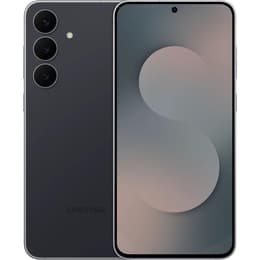
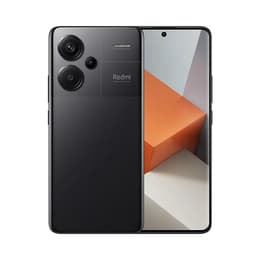
Galaxy S25 FE Vs Xiaomi Redmi Note 13 Pro+
- 1-year minimum warranty
- Free delivery on all orders
- Free 30-day returns
Differences at a glance
The Samsung Galaxy S25 FE (2025) and the Xiaomi Redmi Note 13 Pro+ (2023) are capable smartphones designed to handle daily communication, media consumption, and productivity tasks. While the Galaxy S25 FE runs on the Android platform with Samsung's customized interface ecosystem, the Xiaomi Redmi Note 13 Pro+ operates on Android paired with Xiaomi's custom software environment. Both devices cater to users seeking modern mobile features, though they differ significantly in their launch timelines and underlying hardware optimizations.
Available Models
Colour
Storage (GB)
Scores
Durability
When evaluating the long-term viability of these devices, differences in their release schedules and software support windows play a defining role in daily expectations.
- Software Support Window: The Galaxy S25 FE benefits from a newer release year, ensuring extended major operating system upgrades and security patches compared to the earlier-launching Xiaomi model.
- Build Durability: Both smartphones utilize robust front glass protection, though the Samsung device features a high-grade aluminum frame and formal water resistance ratings designed for everyday resilience.
- Expected Lifespan: Users selecting the newer Samsung alternative will typically experience a longer window of active software compatibility, while the Xiaomi model offers reliable baseline longevity for standard daily routines.
Year of Release
2025
2023
Compatible with latest Update
Yes
Yes
OS
Android
Android
Foldable
No
No
Performance
System responsiveness and memory handling dictate how smoothly each smartphone transitions between intensive applications and background processes.
- Multitasking and Memory: Both configurations offer generous RAM allocations that keep multiple apps open simultaneously without sudden reloading, supporting seamless daily workflows.
- Application Speed: The Galaxy S25 FE relies on a robust current-generation processing architecture that loads demanding games and complex productivity software instantly, whereas the Xiaomi Redmi Note 13 Pro+ handles everyday browsing and media streaming with steady efficiency.
- Storage Configurations: Multiple internal capacity tiers are available across both devices, giving users ample room for offline media, large document libraries, and high-resolution photo storage without constant cleanups.
Screen quality
Visual immersion and panel clarity vary between the two devices, impacting everything from casual video watching to outdoor readability.
- Display Technology: Both models utilize vibrant OLED panels that deliver deep contrast levels, rich colors, and wide viewing angles for an engaging media consumption experience.
- Refresh Rate Smoothness: High refresh rate support ensures that scrolling through web pages and navigating user interfaces remains fluid and responsive on both screens.
- Outdoor Visibility: Peak brightness outputs allow both displays to remain legible under direct sunlight, though specific panel calibrations provide distinct viewing dynamics.
Audiovisual
Imaging hardware and audio reproduction shape how well each phone captures memories and delivers multimedia playback.
- Main Camera Systems: The Xiaomi Redmi Note 13 Pro+ features a high-resolution primary sensor designed for detailed daylight photography, while the Galaxy S25 FE emphasizes balanced triple-lens versatility including dedicated telephoto reach.
- Low-Light and Video: Both devices incorporate optical stabilization features to reduce blur during handheld video recording and nighttime photography.
- Audio Output: Integrated stereo speaker setups provide clear sound delivery for hands-free calls, casual video viewing, and podcast listening.
Miscellaneous
Physical dimensions, charging speeds, and everyday connectivity options define the practical handling profile of each handset.
- Connectivity Standards: Both phones support 5G networks, modern Wi-Fi protocols, and Bluetooth connectivity for reliable peripheral pairing and fast data transfers.
- Physical Dimensions: The Galaxy S25 FE presents a relatively slim profile at 7.4 mm thickness, whereas the Xiaomi Redmi Note 13 Pro+ offers a curved glass aesthetic with a slightly thicker chassis.
- Biometric Security: Secure unlocking is handled via responsive fingerprint sensors and facial recognition options built into both ecosystems.
Weight
190 g
204 g
Screen size (in)
6.7
6.67
Network
5G
5G
SIM card
Physical SIM + eSIM
Dual Physical SIM
Carrier compatibility
Unlocked
Unlocked
What the community thinks
User discussions across public forums frequently highlight the Samsung Galaxy S25 FE for its long software support timeline, premium build quality, and balanced camera array. Conversely, owners of the Xiaomi Redmi Note 13 Pro+ often praise its high-resolution main camera capabilities, distinct curved display design, and fluid everyday performance. Common criticisms for the Samsung model occasionally center on thermal management during extended gaming sessions, while some users note that Xiaomi's software interface includes pre-installed applications requiring initial cleanup.
Users prioritizing extended software longevity, balanced multi-lens photography, and a flatter display profile will find the Galaxy S25 FE well-suited to their needs. Meanwhile, users prioritizing high-resolution primary photo capture and a distinctive curved screen design may prefer the Xiaomi Redmi Note 13 Pro+. For those seeking a sustainable choice, a quality-assured refurbished option from Back Market provides a reliable, eco-friendly alternative for acquiring either device.