

Galaxy S23 Ultra Vs iPhone 17

Galaxy S23 Ultra
Galaxy S23 Ultra
Starting at

Refurbished price:430.00

Versus €1,409.00 new

See options
iPhone 17
iPhone 17
Starting at

Refurbished price:704.00

Versus €979.00 new

See options

Ratings

The Samsung Galaxy S23 Ultra, released in February 2023, and the anticipated iPhone 17, expected in late 2025, represent distinct approaches to high-end smartphone design and functionality. While the S23 Ultra offers a comprehensive Android experience with a focus on versatility and advanced camera features, the iPhone 17 is poised to continue Apple's tradition of refined performance and ecosystem integration, running on iOS. This comparison will delve into their core attributes to help users understand the practical differences between these two powerful devices.

Scores

Durability

When considering the longevity of a smartphone, both software support and physical durability play crucial roles.

  • Software Updates: The Galaxy S23 Ultra, launched with Android 13, is eligible for four years of major Android OS updates and five years of security patches, extending its software support until approximately 2027 for OS and 2028 for security. [19, 24, 30] The iPhone 17, expected to launch with iOS 26, is likely to receive software updates for a longer period, typically five to six years or more, a common practice for Apple devices.
  • Physical Durability: The Galaxy S23 Ultra features Corning Gorilla Glass Victus 2 on both its front and back, coupled with an aluminum frame, offering robust protection against drops and scratches. [1, 5, 36, 37] It also carries an IP68 rating for dust and water resistance. [1, 5, 37] The iPhone 17 is expected to feature Ceramic Shield 2 for enhanced scratch resistance on its display and an aluminum frame, maintaining Apple's standard for durability and water resistance. [7, 9, 10, 40]
  • Practical Lifespan: Both devices are built to last, but the iPhone 17's potentially longer software support cycle could mean it remains fully functional and secure for a slightly extended period, appealing to users who prioritize maximum device longevity.

Year of Release

2023

2025

Compatible with latest Update

Yes

Yes

OS

Android

iOS

Foldable

No

No

Performance

Performance in modern smartphones is about more than just raw speed; it encompasses how smoothly the device handles daily tasks, demanding applications, and multitasking.

  • System Responsiveness: The Galaxy S23 Ultra delivers a highly responsive user experience, capable of handling intensive applications and graphically demanding games with ease, thanks to its optimized internal components. [20, 24] The iPhone 17 is anticipated to offer similarly fluid performance, with expected advancements in its processing unit designed for efficient handling of complex tasks and future software features. [39]
  • Multitasking Capabilities: With various storage and RAM configurations, the S23 Ultra supports seamless multitasking, allowing users to switch between numerous apps without slowdowns. [1, 5, 20, 41] The iPhone 17 is also expected to provide robust multitasking, with its operating system efficiently managing background processes to maintain smooth operation even with multiple applications open.
  • Battery Behavior: The Galaxy S23 Ultra is recognized for its impressive battery endurance, often providing over a full day of heavy use on a single charge. [2, 16, 21, 23, 28] The iPhone 17 is projected to offer strong all-day battery life, with optimizations in its internal architecture contributing to improved power efficiency. [11, 29, 33]

Memory (GB)

8 GB

8 GB

Screen quality

The display is a primary interface for smartphone interaction, and both devices offer high-quality visual experiences with distinct characteristics.

  • Display Technology and Clarity: The Galaxy S23 Ultra features a 6.8-inch Dynamic AMOLED 2X display, known for its deep blacks, vibrant colors, and sharp resolution of 3088x1440 pixels, resulting in a high pixel density. [1, 5, 15, 20, 22, 24, 34] The iPhone 17 is expected to come with a 6.3-inch Super Retina XDR OLED display, offering excellent contrast and color accuracy with a resolution of 2622x1206 pixels. [7, 10, 40]
  • Brightness and Refresh Rate: The S23 Ultra's display can reach a peak brightness of 1750 nits, ensuring good visibility in bright outdoor conditions, and features an adaptive refresh rate that scales from 1Hz to 120Hz for smooth scrolling and power efficiency. [1, 5, 20, 22, 24, 34] The iPhone 17 is rumored to boast an even higher peak outdoor brightness of up to 3000 nits and will likely incorporate ProMotion technology, enabling an adaptive refresh rate up to 120Hz for fluid visuals and an Always-On display feature. [7, 9, 26]
  • Viewing Experience: The S23 Ultra's larger screen size provides an expansive canvas for media consumption and productivity, complemented by its slightly curved edges. [15, 34] The iPhone 17's expected 6.3-inch display, while slightly smaller, is anticipated to offer a similarly immersive viewing experience with reduced bezels. [7, 25]

Resolution

1440 x 3088

2622x1206

Screen type

Dynamic AMOLED 2X

Super Retina XDR

Audiovisual

Both smartphones are designed to deliver advanced photographic capabilities, catering to different preferences in mobile imaging.

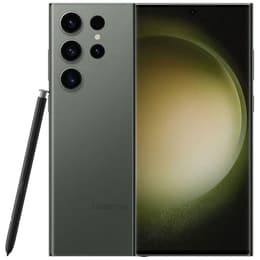
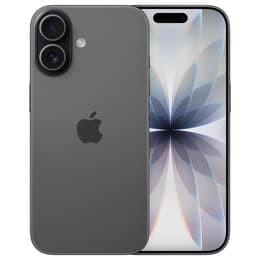
  • Rear Camera System: The Galaxy S23 Ultra boasts a versatile quad-camera setup, including a 200-megapixel main sensor, a 12-megapixel ultrawide lens, and two 10-megapixel telephoto lenses offering 3x and 10x optical zoom. [1, 5, 12, 18] This configuration provides exceptional detail and impressive zoom capabilities. [6, 14, 17] The iPhone 17 is expected to feature a dual-lens rear camera system, with both a 48-megapixel Wide and a 48-megapixel Ultra Wide lens, focusing on high-quality image capture across various scenarios. [7]
  • Low-Light and Video Performance: The S23 Ultra excels in low-light conditions, producing detailed and well-exposed images, and supports 8K video recording. [13, 17, 18] The iPhone 17 is anticipated to offer improved low-light performance and enhanced video recording features, building on Apple's reputation for strong video capabilities. [3, 7]
  • Front Camera and Audio: The S23 Ultra includes a 12-megapixel front camera. [18] The iPhone 17 is rumored to receive a significant upgrade to its front-facing camera, potentially featuring an 18-megapixel or 24-megapixel sensor for improved selfies and video calls. [7, 31] Both devices are expected to offer quality audio output through stereo speakers and clear microphone performance for calls and recordings. [5, 36]

Main camera

200 megapixels

48 megapixels

Front camera

12 megapixels

18 megapixels

Miscellaneous

Beyond the core features, several practical elements contribute to the overall user experience and daily utility of these devices.

  • Connectivity and Ports: Both the Galaxy S23 Ultra and the iPhone 17 support modern connectivity standards, including 5G and advanced Wi-Fi protocols, ensuring fast and reliable wireless communication. The S23 Ultra uses a USB-C port for charging and data transfer. [41] The iPhone 17 is also expected to feature a USB-C port, aligning with current industry trends. [39]
  • Biometric Security and Stylus: The S23 Ultra incorporates an ultrasonic in-screen fingerprint sensor and 2D face unlock for secure access. [1] A notable feature of the S23 Ultra is its integrated S Pen, offering precise input for notes, drawings, and navigation. [5] The iPhone 17 is expected to continue with Face ID for secure facial recognition. [7]
  • Design and Handling: The Galaxy S23 Ultra measures 163.4 x 78.1 x 8.9 mm and weighs 233 grams, offering a substantial feel in hand. [5, 37, 38] The iPhone 17 is anticipated to be slightly more compact and lighter, with dimensions of 149.6 x 71.5 x 7.95 mm and a weight of 177 grams, potentially offering a more manageable single-handed experience for some users. [7, 10, 40]

Weight

233 g

177 g

Screen size (in)

6.8

6.3

Network

5G

5G

SIM card

Dual Physical SIM + eSIM

eSIM

Carrier compatibility

Unlocked

Unlocked

Connector

USB-C

USB-C

The Samsung Galaxy S23 Ultra and the anticipated iPhone 17 cater to users with distinct priorities. The S23 Ultra is often praised for its highly versatile camera system, particularly its zoom capabilities, and its robust battery life that comfortably lasts through demanding usage. [12, 14, 16, 28] Users frequently highlight the utility of the integrated S Pen for productivity and creative tasks. Some criticisms for the S23 Ultra have occasionally pointed to its size and weight, which might be a factor for those preferring a more compact device. [23]

For the iPhone 17, user sentiment, based on current expectations, anticipates a device that refines the core iPhone experience with expected improvements in display technology, camera performance, and overall efficiency. [3, 7, 26] The predicted longer software support cycle is a significant draw for users prioritizing long-term device relevance. Potential concerns might revolve around the incremental nature of some upgrades compared to previous generations, though the expected display and camera enhancements are notable. [3, 7, 26]

Users who prioritize an expansive display, advanced zoom photography, and the unique functionality of a built-in stylus may find the Galaxy S23 Ultra well-suited to their needs. Conversely, individuals who value a slightly more compact form factor, a potentially longer software update lifespan, and a refined ecosystem experience might lean towards the iPhone 17. Both devices represent top-tier smartphone technology, and for those seeking a quality-assured refurbished option, both models are excellent choices for sustainable tech consumption.


See all articles

Our recent comparisons






