

Galaxy S23 FE Vs iPhone 17

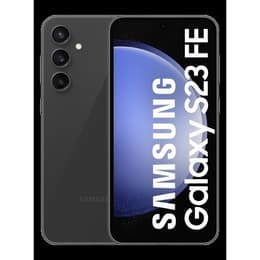
Galaxy S23 FE
Galaxy S23 FE
Starting at

Refurbished price:226.00

Versus €708.98 new

See options
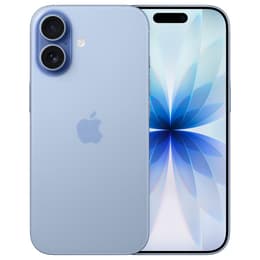
iPhone 17
iPhone 17
Starting at

Refurbished price:704.00

Versus €979.00 new

See options

Ratings

The Samsung Galaxy S23 FE, released in October 2023, and the Apple iPhone 17, launched in September 2025, represent distinct offerings within the smartphone market. While both devices aim to deliver a premium mobile experience, they cater to different user preferences through their respective Android and iOS operating systems. Key differentiators between these two models include their release timelines, software ecosystems, and core feature focuses, influencing aspects from performance capabilities to camera systems. For consumers seeking a quality-assured refurbished option, understanding these differences is crucial for an informed decision.

Scores

Durability

The longevity of a smartphone is influenced by its physical durability and the duration of its software support. These two devices offer varying timelines for updates and different approaches to physical resilience.

  • Software Support: The Galaxy S23 FE, running Android 13 at launch, is expected to receive four major Android operating system updates and five years of security updates from its release. This means it will likely be supported up to Android 17 or 18. The iPhone 17, launching with iOS 26, typically benefits from Apple's longer support cycles, generally receiving five to seven years of major iOS updates and extended security patches, potentially extending its functional software lifespan significantly longer than its counterpart.
  • Physical Durability: The Galaxy S23 FE features Gorilla Glass 5 on its display and an IP68 rating for dust and water resistance, offering robust protection against everyday elements. The iPhone 17 incorporates Ceramic Shield 2 for its front display, which Apple states provides enhanced scratch resistance, alongside an expected IP68 rating for water and dust protection.
  • Practical Lifespan: Users prioritizing the absolute longest software support and access to the latest operating system features will find the iPhone 17's extended update timeline more appealing. For those comfortable with a slightly shorter, though still substantial, update period, the Galaxy S23 FE offers a solid practical lifespan.

Year of Release

2023

2025

Compatible with latest Update

Yes

Yes

OS

Android

iOS

Foldable

No

No

Performance

Performance is a critical aspect of any modern smartphone, impacting everything from app responsiveness to multitasking efficiency and battery endurance. Both devices offer capable hardware designed for smooth daily operation.

  • Processing Power: The Galaxy S23 FE is equipped with a processor that handles everyday applications and moderate gaming smoothly, providing a responsive user experience for most tasks. The iPhone 17, featuring a newer generation processor, delivers enhanced performance, ensuring demanding applications, intensive multitasking, and advanced gaming run with exceptional fluidity and efficiency.
  • Battery Behavior: The Galaxy S23 FE houses a 4500mAh battery, generally providing a full day of use for most users, with streaming tests indicating around 10 to 13 hours of video playback. The iPhone 17, with a 3692mAh battery, has demonstrated improved efficiency, achieving approximately 12 hours and 47 minutes in similar streaming tests, suggesting reliable all-day power for typical usage.
  • Storage and Multitasking: Both devices offer 8GB of RAM, facilitating efficient multitasking and app switching. The Galaxy S23 FE is available with 128GB or 256GB of internal storage, while the iPhone 17 starts at 256GB and goes up to 512GB, providing more base storage. Neither device supports expandable storage via microSD cards.

Memory (GB)

8 GB

8 GB

Screen quality

The display is the primary interface for smartphone interaction, and both the Galaxy S23 FE and iPhone 17 offer vibrant and responsive screens, though with some key distinctions in technology and capabilities.

  • Display Technology and Clarity: Both phones feature OLED display technology, known for deep blacks and high contrast. The Galaxy S23 FE has a 6.4-inch Dynamic AMOLED 2X display with a 2340 x 1080 Full HD+ resolution, resulting in sharp visuals. The iPhone 17 sports a slightly smaller 6.3-inch Super Retina XDR OLED display with a resolution of 2622 x 1206 pixels, offering comparable clarity and detail.
  • Brightness and Refresh Rate: The Galaxy S23 FE's display reaches a peak brightness of 1450 nits, providing good visibility in various lighting conditions. It also features a 120Hz refresh rate for smooth scrolling and animations. The iPhone 17 significantly elevates brightness with a peak outdoor brightness of 3000 nits, ensuring exceptional readability even in direct sunlight. It also includes ProMotion technology, offering an adaptive refresh rate up to 120Hz for optimized smoothness and power efficiency.
  • Viewing Experience: The iPhone 17 introduces an Always-On display feature, allowing users to glance at information without fully waking the screen. Both displays offer vibrant color reproduction and HDR support for an immersive viewing experience, whether consuming media or browsing content.

Resolution

1080 x 2340

2622x1206

Screen type

Dynamic AMOLED 2X

Super Retina XDR

Audiovisual

Camera capabilities are a significant factor for many users, and both the Galaxy S23 FE and iPhone 17 provide versatile camera systems designed to capture high-quality photos and videos.

  • Rear Camera Systems: The Galaxy S23 FE features a triple-camera setup on the rear, including a 50MP main sensor with optical image stabilization (OIS), a 12MP ultrawide lens, and an 8MP telephoto lens capable of 3x optical zoom. This configuration offers flexibility for various shooting scenarios, from wide landscapes to zoomed-in subjects. The iPhone 17 comes with a dual-camera system, both featuring 48MP sensors: a main wide-angle lens with OIS and a 48MP ultrawide lens. It also offers a 2x optical-quality telephoto option by cropping the main sensor.
  • Photography Performance: The Galaxy S23 FE delivers strong daylight photos with good detail and color, and performs competently in low-light conditions. Its dedicated telephoto lens is a notable advantage for optical zoom. The iPhone 17's camera system is praised for producing detailed shots with pleasing colors and good exposures, even in low light, and its higher-resolution ultrawide lens captures more detail.
  • Video and Front Camera: The Galaxy S23 FE can record video up to 8K at 24 frames per second (fps) and 4K at 60fps with its rear cameras, and 4K at 60fps with its 10MP front camera. The iPhone 17 offers high-quality video recording and features an 18MP front-facing camera with a 'Center Stage' feature, allowing for flexible vertical or horizontal selfies without physically rotating the device.

Main camera

50 megapixels

48 megapixels

Front camera

10 megapixels

18 megapixels

Miscellaneous

Beyond core performance and display, several other features contribute to the overall user experience, including connectivity, physical design, and unique functionalities.

  • Connectivity and Ports: The Galaxy S23 FE supports 5G, Wi-Fi 6E, and Bluetooth 5.3, providing fast wireless communication. It uses a USB-C port for charging and data transfer. The iPhone 17 steps up connectivity with support for 5G, Wi-Fi 7, and Bluetooth 6, offering potentially faster and more stable wireless connections. It also features a USB-C port, aligning with modern standards.
  • Biometrics and Design: The Galaxy S23 FE incorporates an optical in-display fingerprint sensor for secure unlocking. It has dimensions of 158.0 x 76.5 x 8.2 mm and weighs 209g, featuring a glass front and back with an aluminum frame. The iPhone 17 relies on Face ID for biometric authentication and includes the Dynamic Island for interactive alerts and activities. It measures 149.6 mm × 71.5 mm × 7.95 mm and weighs 177g, making it slightly more compact and lighter, with a Ceramic Shield front and glass back within an aluminum frame.
  • Unique Features: The Galaxy S23 FE supports Samsung DeX, allowing users to connect the phone to an external display for a desktop-like experience. The iPhone 17 features a customizable Action Button, providing quick access to various functions, and its new front camera offers unique capabilities for selfie capture.

Weight

209 g

177 g

Screen size (in)

6.4

6.3

Network

5G

5G

SIM card

Physical SIM

eSIM

Carrier compatibility

Unlocked

Unlocked

Choosing between the Samsung Galaxy S23 FE and the iPhone 17 involves weighing priorities across different aspects of the smartphone experience. User feedback for the Galaxy S23 FE often highlights its balanced feature set, including a capable camera system with a dedicated telephoto lens and a vibrant display, making it a strong contender for those within the Android ecosystem. Some users note its battery life as generally sufficient for a full day, though not always exceptional under heavy use.

The iPhone 17, on the other hand, is frequently praised for its powerful performance, significantly upgraded display with higher brightness and adaptive refresh rates, and a refined camera system that excels in detail and low-light conditions. Its extended software support is a consistent point of appreciation among users. Some discussions indicate that while its battery life is improved, it might not always surpass some Android counterparts in extreme endurance tests.

Users prioritizing long-term software updates, top-tier processing power for demanding applications, and an advanced display with exceptional outdoor visibility will find the iPhone 17 well-suited to their needs. Its integrated ecosystem and Face ID security are also key considerations. Conversely, individuals who value a dedicated optical telephoto camera, the flexibility of the Android operating system, and features like Samsung DeX may lean towards the Galaxy S23 FE. Both devices offer robust performance and features, and considering a quality-assured refurbished option for either model can provide an eco-friendly alternative for consumers.


See all articles

Our recent comparisons