


Galaxy S25 Vs Xiaomi Redmi Note 12 Pro

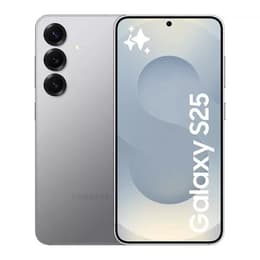
Galaxy S25
Galaxy S25
Starting at

Refurbished price:483.00

Versus €910.00 new

See options
Xiaomi Redmi Note 12 Pro
Starting at

Refurbished price:106.00

Versus €399.00 new

See options

Ratings

The Samsung Galaxy S25, released in early 2025, represents a contemporary flagship smartphone, while the Xiaomi Redmi Note 12 Pro, launched in late 2022 and early 2023, positions itself as a capable mid-range device. These two Android-based phones cater to different user expectations, primarily differing in their processing power, camera capabilities, and long-term software support. The Galaxy S25 runs on Android 15 with One UI 7, offering a highly integrated ecosystem, whereas the Redmi Note 12 Pro launched with Android 12 and MIUI 13, providing a distinct user interface experience.

Scores

Durability

When considering the long-term usability of a smartphone, software support and physical resilience are key factors. The Galaxy S25 and Redmi Note 12 Pro offer different propositions in this regard.

  • Software Longevity: The Samsung Galaxy S25 was released with Android 15 and One UI 7, and Samsung has committed to providing seven years of operating system upgrades and security updates, extending its support until 2032. This commitment ensures the device remains current with the latest features and security protocols for an extended period. In contrast, the Xiaomi Redmi Note 12 Pro launched with Android 12 and MIUI 13. It was initially promised two major Android updates and three years of security patches, with its final major update (HyperOS 2, based on Android 15) expected by the end of 2025, and security patches concluding in 2026.
  • Physical Durability: The Galaxy S25 incorporates advanced protective glass, contributing to its overall resilience against drops and scratches. The Redmi Note 12 Pro features Corning Gorilla Glass 5 for screen protection and carries an IP53 rating, indicating a degree of dust and splash resistance.
  • Repairability: While specific repairability scores can vary, flagship devices like the Galaxy S25 often benefit from a wider availability of parts and authorized service centers. The Redmi Note 12 Pro, as a mid-range device, also has a repair ecosystem, though the availability of specific components might differ over time.

Year of Release

2025

2022

OS

Android

Android

Foldable

No

No

Performance

The performance of a smartphone is largely determined by its internal components, influencing how smoothly applications run and how efficiently it handles demanding tasks.

  • Processing Power: The Samsung Galaxy S25 is equipped with a current-generation processor, specifically optimized for Galaxy devices. This powerful chipset, built on a 3nm manufacturing process, features an octa-core CPU with high clock speeds, enabling it to handle demanding applications, intensive multitasking, and graphically rich games with ease and responsiveness. The Xiaomi Redmi Note 12 Pro utilizes a mid-range processor, manufactured on a 6nm process, which provides capable performance for everyday tasks, general browsing, and moderate gaming.
  • Multitasking and Storage: The Galaxy S25 typically comes with a substantial amount of RAM, facilitating smooth transitions between multiple open applications and efficient background processes. It offers various storage options, including 128GB, 256GB, and 512GB, catering to different user needs for app and media storage. The Redmi Note 12 Pro is available with several RAM configurations, including 6GB, 8GB, and 12GB, which support competent multitasking for its class. Storage options include 128GB and 256GB.
  • Battery Behavior: The Galaxy S25, despite its 4000mAh battery, is optimized for efficient power consumption, often providing a full day of use for many users, with wired charging at 25W and wireless charging capabilities. The Redmi Note 12 Pro features a larger 5000mAh battery, which, combined with its processor, generally delivers extended usage times. It supports fast 67W wired charging, allowing for quick power replenishment, though it does not offer wireless charging.

Memory (GB)

12 GB

8 GB

Screen quality

The display is a primary interface for smartphone interaction, and its quality significantly impacts the user experience for media consumption, browsing, and daily tasks.

  • Display Technology and Clarity: The Samsung Galaxy S25 features a 6.2-inch Dynamic AMOLED 2X display, known for its vibrant colors, deep blacks, and excellent contrast. Its resolution provides a sharp and clear viewing experience. The Xiaomi Redmi Note 12 Pro sports a 6.67-inch AMOLED display, also offering rich colors and good contrast, with a resolution that ensures clear visuals for most content.
  • Brightness and Refresh Rate: The Galaxy S25's display can reach a peak brightness of 2600 nits, making it highly visible even in bright outdoor conditions. It features a 120Hz refresh rate, contributing to smooth scrolling and fluid animations. The Redmi Note 12 Pro offers a 120Hz refresh rate for a smooth visual experience and can achieve a peak brightness of 900 nits when displaying HDR content, which is suitable for indoor and moderate outdoor use.
  • Viewing Experience: Both devices provide an immersive viewing experience due to their AMOLED panels. The Galaxy S25's display is often highlighted for its exceptional outdoor visibility and overall visual fidelity, while the Redmi Note 12 Pro's larger screen size offers an expansive canvas for media.

Resolution

1080x2340

1080 x 2400

Screen type

Dynamic LTPO AMOLED 2X

AMOLED

Audiovisual

For many users, the camera system is a crucial aspect of a smartphone, determining its ability to capture memories and create content.

  • Rear Camera Systems: The Samsung Galaxy S25 is equipped with a versatile triple-camera system on the rear, comprising a 50MP wide-angle main sensor, a 12MP ultra-wide camera with a 120-degree field of view, and a 10MP telephoto lens offering 3x optical zoom. This setup allows for a range of photographic styles, from expansive landscapes to detailed close-ups. The Xiaomi Redmi Note 12 Pro also features a triple-camera array, including a 50MP main sensor with optical image stabilization (OIS), an 8MP ultra-wide camera, and a 2MP macro lens. The main sensor is capable of capturing detailed images, particularly in good lighting.
  • Photography Performance: The Galaxy S25 generally delivers consistent and high-quality images across its lenses, with strong dynamic range and color reproduction. Its telephoto lens provides genuine optical zoom capabilities. The Redmi Note 12 Pro's main camera performs well in various conditions, and the OIS helps in reducing blur. However, its ultra-wide and macro sensors may offer less detail and dynamic range compared to the main lens.
  • Video and Audio: The Galaxy S25 supports high-resolution video recording, including 8K at 30 frames per second, and offers advanced features for video creators. The Redmi Note 12 Pro is capable of recording video up to 1080p at 60fps, with the main lens benefiting from OIS for smoother footage. Both devices provide stereo speaker output for media consumption, with the Redmi Note 12 Pro featuring Dolby Atmos enhancement.

Miscellaneous

Beyond core specifications, several practical features and design elements contribute to the overall user experience and daily convenience.

  • Connectivity and Ports: Both smartphones support 5G connectivity, enabling fast mobile data speeds. The Galaxy S25 likely includes the latest Wi-Fi standards (e.g., Wi-Fi 6/6E) and Bluetooth versions, typical of a flagship device. The Redmi Note 12 Pro supports Wi-Fi 6 and Bluetooth 5.2. For physical connections, the Galaxy S25 uses a USB-C port, while the Redmi Note 12 Pro also features a USB-C port and retains a 3.5mm headphone jack, which is absent on the Galaxy S25.
  • Biometric Security: The Galaxy S25 typically employs an ultrasonic under-display fingerprint sensor and face recognition for secure unlocking. The Redmi Note 12 Pro features a side-mounted fingerprint scanner, often integrated into the power button, and also supports face unlock.
  • Design and Handling: The Galaxy S25, with its 6.2-inch display, is designed to be a more compact device, offering comfortable one-handed use. It often features premium build materials like an aluminum frame and advanced glass. The Redmi Note 12 Pro, with its 6.67-inch display, is a larger device, offering a more expansive screen. It features a glass back and a plastic frame, providing a solid in-hand feel.

Weight

162 g

187 g

Screen size (in)

6.2

6.67

Network

5G

5G

SIM card

Physical SIM + eSIM

Dual Physical SIM

Carrier compatibility

Unlocked

Unlocked

The Samsung Galaxy S25 and Xiaomi Redmi Note 12 Pro cater to distinct user needs, reflecting their different market positions and release timelines. User feedback for the Galaxy S25 often highlights its exceptional performance, vibrant display, and the significant commitment to long-term software updates, which ensures the device remains relevant and secure for many years. Some users note that while its camera system is capable, it might not represent a groundbreaking leap over previous generations. The Redmi Note 12 Pro is frequently praised for its impressive AMOLED display, robust battery life, and rapid wired charging capabilities, offering a strong overall package for its segment. Criticisms sometimes point to its software experience (MIUI) and a shorter window for major Android updates compared to flagship devices.

Users prioritizing cutting-edge performance, a compact form factor, and the longest possible software support will find the Samsung Galaxy S25 well-suited to their needs. Its advanced processor and extended update policy make it a strong choice for those who keep their devices for many years or demand the highest level of responsiveness for demanding applications. Conversely, users who value a larger display, excellent battery endurance, and very fast wired charging, without needing the absolute top-tier processing power or the longest software support, may lean towards the Xiaomi Redmi Note 12 Pro. It offers a compelling set of features for everyday use and media consumption. Both devices, whether new or as a quality-assured refurbished option, provide a pathway to informed and sustainable choices in mobile technology.


See all articles

Our recent comparisons