

Galaxy S21 Ultra 5G Vs iPhone 16 Pro

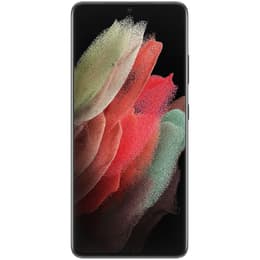
Galaxy S21 Ultra 5G
Galaxy S21 Ultra 5G
Starting at

Refurbished price:228.00

Versus €1,297.00 new

See options
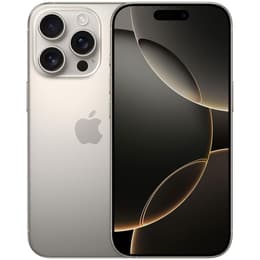
iPhone 16 Pro
iPhone 16 Pro
Starting at

Refurbished price:645.00

Versus €1,239.00 new

See options

Ratings

The Samsung Galaxy S21 Ultra 5G, released in January 2021, and the iPhone 16 Pro, launched in September 2024, represent flagship smartphones from their respective manufacturers. While both devices offer premium experiences, the nearly four-year difference in their release dates introduces notable distinctions in their core technologies, software support, and overall capabilities. The Galaxy S21 Ultra operates on Android, offering a customizable user experience, whereas the iPhone 16 Pro runs on Apple's iOS, known for its integrated ecosystem and consistent performance.

Scores

Durability

The longevity of a smartphone is influenced by its release timeline, software support, and physical durability.

  • Release Timeline: The Galaxy S21 Ultra 5G was released in January 2021, making it an older device compared to the iPhone 16 Pro, which launched in September 2024. This age difference directly impacts their remaining software support cycles.
  • OS Support Duration: Samsung committed to four generations of Android OS updates and five years of security updates for the S21 Ultra. It launched with Android 11 and received Android 15 (One UI 7) in May 2025, indicating its major OS update cycle is nearing its conclusion. The iPhone 16 Pro, being a current-generation device, benefits from Apple's typical long-term iOS support, generally extending to five to six years of major updates from its release.
  • Physical Durability: Both devices feature robust builds with IP68 ratings for water and dust resistance. The Galaxy S21 Ultra uses Gorilla Glass Victus on its front and back, while the iPhone 16 Pro features a durable yet lightweight titanium design.

Year of Release

2021

2024

Compatible with latest Update

Yes

Yes

Foldable

No

No

Performance

Performance is a key differentiator, with the newer iPhone 16 Pro benefiting from significant advancements in processing power.

  • Processor Capabilities: The Galaxy S21 Ultra 5G is powered by either the Qualcomm Snapdragon 888 or Samsung's Exynos 2100, both 5nm chipsets that delivered strong performance at their release. The iPhone 16 Pro features the A18 Pro chip, built on a 3nm process, which offers a substantial increase in processing speed and efficiency, particularly for demanding applications and machine learning tasks.
  • System Responsiveness: While the Galaxy S21 Ultra still provides a smooth experience for everyday tasks and many applications, the iPhone 16 Pro's newer processor and optimized software contribute to noticeably faster app loading, more fluid multitasking, and enhanced responsiveness, especially in graphically intensive games or advanced AI features.
  • Storage and Multitasking: Both devices offer various storage configurations. The Galaxy S21 Ultra was available with up to 16GB of RAM, which aids in extensive multitasking. The iPhone 16 Pro also features ample RAM, with its A18 Pro chip providing 17% more memory bandwidth, contributing to efficient handling of multiple applications simultaneously.

Memory (GB)

12 GB

8 GB

Screen quality

Both smartphones offer high-quality displays, but the iPhone 16 Pro incorporates newer display technologies.

  • Display Technology and Resolution: The Galaxy S21 Ultra features a 6.8-inch Dynamic AMOLED 2X display with a Quad HD+ resolution (3200 x 1440 pixels), providing sharp and vibrant visuals. The iPhone 16 Pro comes with a 6.3-inch Super Retina XDR OLED display, also offering excellent clarity and color accuracy.
  • Brightness and Refresh Rate: The S21 Ultra's display supports an adaptive refresh rate from 10Hz to 120Hz and can reach a peak brightness of 1600 nits. The iPhone 16 Pro also features ProMotion technology for an adaptive refresh rate up to 120Hz and boasts a higher peak outdoor brightness of 3000 nits, making it more legible in direct sunlight.
  • Viewing Experience: The iPhone 16 Pro features thinner display borders, contributing to a more immersive viewing experience. Both displays offer deep blacks and vibrant colors characteristic of OLED technology.

Resolution

1440 x 3200

1206 x 2622

Screen type

Dynamic AMOLED 2X

LTPO Super Retina XDR OLED

Audiovisual

Both devices are equipped with advanced camera systems, each with distinct strengths in photography and videography.

  • Rear Camera System: The Galaxy S21 Ultra features a versatile quad-camera setup, including a 108MP main sensor, a 12MP ultrawide, and two 10MP telephoto lenses offering 3x and 10x optical zoom, capable of up to 100x Space Zoom. The iPhone 16 Pro introduces a new 48MP Fusion main camera, a new 48MP ultrawide camera with macro capabilities, and a 5x telephoto lens on both Pro models, providing enhanced detail and flexibility.
  • Photography Performance: The S21 Ultra excels with its extensive zoom capabilities and high-resolution main sensor, producing detailed images. The iPhone 16 Pro, with its newer sensors and computational photography advancements, offers improved low-light performance and more consistent image quality across its lenses.
  • Video Recording and Audio: The Galaxy S21 Ultra can record 8K video at 24fps and 4K at 60fps. The iPhone 16 Pro supports 4K video recording at 120fps in Dolby Vision, and offers Spatial Audio recording with studio-quality microphones, catering to professional video creators.

Main camera

108 megapixels

48 megapixels

Front camera

40 megapixels

12 megapixels

Miscellaneous

Beyond core features, several practical elements contribute to the overall user experience of these devices.

  • Connectivity and Ports: Both smartphones support 5G connectivity, ensuring fast mobile data speeds. The Galaxy S21 Ultra supports Wi-Fi 6E and Bluetooth 5.2. The iPhone 16 Pro features Wi-Fi 7, offering even faster wireless data transfer. Both devices utilize a USB-C port for charging and data transfer.
  • Biometric Security: The S21 Ultra incorporates an ultrasonic under-display fingerprint sensor, which is noted for its speed and accuracy. The iPhone 16 Pro relies on Face ID for secure facial recognition.
  • Unique Features and Design: The Galaxy S21 Ultra supports the S Pen stylus, offering additional productivity features. The iPhone 16 Pro introduces a new physical Capture button, designed to enhance camera control with functions like focusing and snapping photos. The iPhone 16 Pro also integrates Apple Intelligence for advanced on-device AI capabilities.

Weight

227 g

199 g

Screen size (in)

6.8

6.3

Network

5G

5G

SIM card

Physical SIM + eSIM

eSIM

Carrier compatibility

Unlocked

Unlocked

Connector

USB-C

USB-C (USB 3)

The Samsung Galaxy S21 Ultra 5G and the iPhone 16 Pro cater to different user priorities, largely due to their respective release timelines and operating systems. Users often praise the Galaxy S21 Ultra for its versatile camera system, particularly its extensive zoom capabilities, and its vibrant, high-resolution display. Many appreciate the flexibility of the Android operating system and the option for S Pen support. However, some users have noted that its battery life, while generally good, can be significantly impacted by heavy use with the highest display settings.

The iPhone 16 Pro, as a newer device, receives commendation for its cutting-edge processor, which delivers exceptional performance and enables advanced AI features. Its camera system is lauded for its improved low-light performance, advanced video capabilities, and the convenience of the new Capture button. Users also frequently highlight the seamless integration within the Apple ecosystem and the device's robust build quality. The iPhone 16 Pro is also noted for a significant improvement in battery life compared to previous iPhone models.

Users prioritizing a highly customizable Android experience with a powerful, long-range zoom camera and S Pen functionality may find the Galaxy S21 Ultra 5G well-suited to their needs. Conversely, those who value the latest in mobile processing power, advanced computational photography, a highly integrated software ecosystem, and extended software support will likely lean towards the iPhone 16 Pro. Both devices are available as quality-assured refurbished options, providing an eco-friendly alternative for consumers.


See all articles

Our recent comparisons