

Compare models
Galaxy S21 5G Vs Galaxy Z Fold6
- 1-year minimum warranty
- Free delivery on all orders
- Free 30-day returns
Differences at a glance
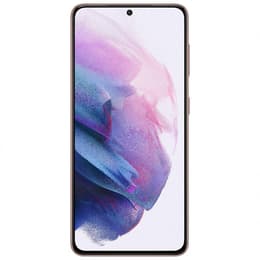
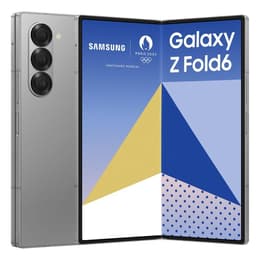
The Samsung Galaxy S21 5G, released in early 2021, is a traditional smartphone offering a compact design and a robust feature set. In contrast, the Samsung Galaxy Z Fold6, launched in mid-2024, represents a significant evolution in smartphone design with its innovative foldable form factor. Both devices operate on the Android platform, but the Z Fold6 introduces a dual-screen experience and advanced multitasking capabilities that differentiate it from the more conventional S21 5G.
Available Models
Colour
Storage (GB)
Scores
Durability
The expected practical lifespan of a smartphone is influenced by its release timeline and the manufacturer's commitment to software updates.
- Release Timeline: The Galaxy S21 5G was released in January 2021, making it an older device compared to the Galaxy Z Fold6, which launched in July 2024. This difference in release year directly impacts their remaining software support.
- OS Support: The Galaxy S21 5G was promised four generations of Android OS updates and five years of security updates, having received Android 14 (One UI 6) by January 2024 and Android 15 (One UI 7) by May 2025. The Galaxy Z Fold6, being a newer flagship, benefits from Samsung's extended policy, offering seven years of OS upgrades and security updates, with Android 16 (One UI 8) already available by September 2025. This means the Z Fold6 will receive software support for a significantly longer period.
- Durability Features: The Galaxy S21 5G features a Gorilla Glass Victus front and a plastic back, with an aluminum frame and an IP68 rating for dust and water resistance. The Galaxy Z Fold6 utilizes Corning Gorilla Glass Victus 2 for its cover screen and back panel, ultra-thin flexible glass for its inner display, and an aluminum frame, boasting an IP48 rating, which includes certified dust protection, a first for Samsung's foldable line.
Year of Release
2021
2024
Compatible with latest Update
Yes
Yes
OS
Android
Android
Foldable
No
Yes
Performance
Performance in daily use is determined by the device's internal components, affecting how smoothly applications run and how efficiently tasks are handled.
- Processing Power: The Galaxy S21 5G is powered by a processor from early 2021, which capably handles everyday applications and multitasking. The Galaxy Z Fold6 features a more recent and powerful processor, designed to manage demanding applications, intensive gaming, and complex multitasking scenarios with enhanced responsiveness and efficiency.
- Multitasking and Storage: The Galaxy S21 5G typically comes with 8GB of RAM and storage options up to 256GB, sufficient for most users. The Galaxy Z Fold6 offers 12GB of RAM and storage options up to 1TB, providing more headroom for extensive multitasking, larger applications, and storing a greater volume of data.
- Battery Behavior: The Galaxy S21 5G has a 4000 mAh battery, generally providing about 1.5 days of use under typical conditions. The Galaxy Z Fold6, with a 4400 mAh battery, also aims for approximately 1.5 days of usage, benefiting from a more efficient processor and power management, though its larger, dual-screen setup can influence real-world endurance.
Screen quality
The display is a primary interaction point, and its quality significantly impacts the user experience, especially for media consumption and productivity.
- Display Technology and Clarity: The Galaxy S21 5G features a 6.2-inch Dynamic AMOLED 2X display with a resolution of 1080 x 2400 pixels, offering vibrant colors and deep blacks. The Galaxy Z Fold6 provides a dual-screen experience: a 6.3-inch Dynamic AMOLED 2X cover display and a larger 7.6-inch Foldable Dynamic AMOLED 2X main display, both with high resolutions (2376 x 968 pixels for cover, 2160 x 1856 pixels for main) that deliver exceptional clarity and detail.
- Brightness and Smoothness: Both devices feature a 120Hz adaptive refresh rate for smooth scrolling and animations. The Galaxy S21 5G reaches a peak brightness of 1300 nits. The Galaxy Z Fold6's displays offer a higher peak brightness of 2600 nits, enhancing visibility in bright outdoor conditions.
- Viewing Experience: The S21 5G offers a traditional, immersive viewing experience on its single flat screen. The Z Fold6's foldable design allows for a compact phone experience when closed and expands into a tablet-like display when unfolded, providing a significantly larger canvas for content consumption, multitasking, and productivity.
Resolution
1080 x 2400
1856 x 2160
Screen type
Dynamic AMOLED 2X
Foldable Dynamic LTPO AMOLED 2X
Audiovisual
Camera capabilities are a key consideration for many users, with differences in hardware and software impacting photo and video quality.
- Rear Camera System: The Galaxy S21 5G is equipped with a versatile triple-camera setup: a 12MP wide-angle, a 64MP telephoto with 3x hybrid zoom, and a 12MP ultrawide lens. The Galaxy Z Fold6 also features a triple rear camera system, consisting of a 50MP wide-angle, a 10MP telephoto with 3x optical zoom, and a 12MP ultrawide lens.
- Photography Performance: Both devices offer strong performance in good lighting. The S21 5G's 64MP telephoto can capture detailed zoomed shots, while the Z Fold6 benefits from a more recent image processing engine and improved low-light photography.
- Video and Audio: Both smartphones support 8K video recording at 24fps (S21 5G) or 30fps (Z Fold6) and 4K at 60fps, offering high-quality video capture. For audio, both provide stereo speakers for media consumption, and their microphones are suitable for calls and basic recording. The Z Fold6 also includes multiple selfie cameras: a 10MP on the cover screen and a 4MP under-display camera on the main screen, offering flexibility for video calls and self-portraits.
Main camera
12 megapixels
50 megapixels
Front camera
10 megapixels
4 megapixels
Miscellaneous
Beyond core features, several practical elements contribute to the overall user experience and device utility.
- Connectivity and Ports: Both the Galaxy S21 5G and Galaxy Z Fold6 support 5G connectivity and modern Wi-Fi standards (Wi-Fi 6 for S21 5G, Wi-Fi 6E/ax for Z Fold6), ensuring fast wireless communication. Both utilize a USB-C port for charging and data transfer and lack a 3.5mm headphone jack.
- Biometrics and Handling: The S21 5G features an in-display fingerprint sensor. The Z Fold6 uses a side-mounted fingerprint sensor and also supports face recognition. In terms of handling, the S21 5G is a compact and lightweight device at 151.7 x 71.2 x 7.9 mm and 169-171g. The Z Fold6 is heavier at 239g and has distinct dimensions when folded (153.5 x 68.1 x 12.1 mm) and unfolded (153.5 x 132.6 x 5.6 mm), offering a different ergonomic experience.
- Additional Features: The Galaxy Z Fold6 supports the S Pen (sold separately) for enhanced productivity on its large inner display and integrates advanced Galaxy AI features for various smart functionalities.
Weight
169 g
239 g
Screen size (in)
6.2
7.6
Network
5G
5G
SIM card
Dual Physical SIM + eSIM
Carrier compatibility
Unlocked
Unlocked
What the community thinks
The Samsung Galaxy S21 5G and Galaxy Z Fold6 cater to different user preferences, reflecting their distinct designs and release timelines. Users often praise the Galaxy S21 5G for its traditional, pocketable form factor, reliable performance for everyday tasks, and consistent camera quality. Its more compact size and lighter build are frequently highlighted as advantages for single-handed use and portability. Some common criticisms, however, might include its relatively shorter software support lifespan compared to newer models and a battery life that, while adequate, may require more frequent charging for heavy users.
The Galaxy Z Fold6, on the other hand, receives acclaim for its innovative foldable design, offering the versatility of a large tablet-like screen in a smartphone form factor. Users appreciate the enhanced multitasking capabilities, the immersive viewing experience on the main display, and the extended software support. Frequent points of discussion often revolve around its increased weight and thickness when folded, and the presence of a visible crease on the inner display, though user sentiment suggests the crease is becoming less of a concern with each generation. Its battery life, while improved through efficiency, still powers a significantly larger display area, which can lead to varied real-world results.
Users prioritizing a compact, conventional smartphone experience with solid performance for daily use may find the Galaxy S21 5G well-suited to their needs. Those who value cutting-edge technology, a large, adaptable screen for productivity and media, and a longer software support window will likely lean towards the Galaxy Z Fold6. Both devices offer robust Android experiences, and for those considering a quality-assured refurbished option, both models are available, providing an eco-friendly alternative to purchasing new.