

iPhone 11 Pro Max Vs iPhone 8

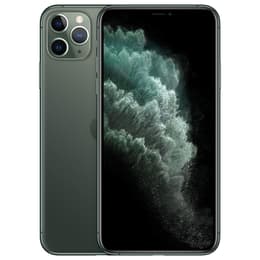
iPhone 11 Pro Max
iPhone 11 Pro Max
Starting at

Refurbished price:219.00

Versus €939.00 new

See options
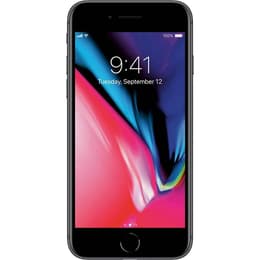
iPhone 8
iPhone 8
Starting at

Refurbished price:91.00

Versus €299.00 new

See options

Ratings

The iPhone 11 Pro Max, released in September 2019, and the iPhone 8, launched in September 2017, represent different generations of Apple's smartphone lineup. While both devices operate on the iOS platform, the iPhone 11 Pro Max introduced significant advancements in camera technology, display quality, and processing power compared to its predecessor. These differences cater to varying user needs and preferences.

Scores

Durability

The practical lifespan of a smartphone is often influenced by its release date and the duration of software support it receives. The iPhone 11 Pro Max and iPhone 8, being released two years apart, offer different expectations in this regard.

  • Release Timeline and Software Support: The iPhone 11 Pro Max, released in September 2019, benefits from a more recent launch, typically translating to a longer period of ongoing iOS updates compared to the iPhone 8, which debuted in September 2017. The iPhone 8's software support concluded with iOS 16, meaning it does not support iOS 17 or newer versions.
  • Physical Durability: The iPhone 11 Pro Max features an IP68 rating, indicating resistance to dust and water submersion up to 4 meters for 30 minutes. The iPhone 8 carries an IP67 rating, offering protection against dust and water submersion up to 1 meter for 30 minutes. Both devices incorporate glass backs, which enable wireless charging but can be susceptible to damage from drops.
  • Expected Practical Lifespan: Users seeking the longest possible software longevity and enhanced resistance to environmental factors may find the iPhone 11 Pro Max to be a more suitable option due to its newer release and higher IP rating.

Year of Release

2019

2017

Compatible with latest Update

Yes

No

OS

iOS

iOS

Foldable

No

No

Performance

The internal components of these devices dictate their responsiveness and capability to handle various tasks, from everyday browsing to more demanding applications.

  • Processing Power: The iPhone 11 Pro Max is equipped with a more advanced processor, allowing for smoother operation, quicker app loading times, and more efficient handling of intensive tasks like video editing or graphic-heavy gaming. The iPhone 8, with its earlier generation processor, provides reliable performance for general use, web browsing, and less demanding applications.
  • Multitasking and Responsiveness: The iPhone 11 Pro Max generally offers more internal memory, which contributes to a more fluid multitasking experience, enabling users to switch between multiple applications without noticeable slowdowns. The iPhone 8, with less internal memory, may exhibit more frequent app reloads when managing numerous open applications.
  • Battery Behavior: The iPhone 11 Pro Max is known for its extended battery life, designed to last through a full day of heavy use for many users. The iPhone 8 has a smaller battery capacity, which typically translates to more frequent charging, especially for users with high usage patterns.

Memory (GB)

4 GB

2 GB

Screen quality

The visual experience on a smartphone is largely defined by its display technology, size, and clarity, with notable differences between these two models.

  • Display Technology and Size: The iPhone 11 Pro Max features a 6.5-inch Super Retina XDR OLED display, offering deep blacks, high contrast, and vibrant colors. In contrast, the iPhone 8 has a 4.7-inch Retina HD LCD display, which provides accurate colors but does not achieve the same level of contrast or black depth as an OLED panel.
  • Resolution and Brightness: The iPhone 11 Pro Max boasts a higher resolution of 2688 x 1242 pixels at 458 pixels per inch (ppi), resulting in sharper images and text. It also offers higher peak brightness, making it more comfortable to view content in bright outdoor conditions. The iPhone 8 has a resolution of 1334 x 750 pixels at 326 ppi and a lower typical maximum brightness.
  • Viewing Experience: Both displays support True Tone technology, which adjusts the screen's white balance to match ambient light. However, the larger OLED screen of the iPhone 11 Pro Max provides a more immersive viewing experience for media consumption and detailed tasks.

Resolution

1242 x 2688

750 x 1334

Screen type

Super Retina XDR OLED

Retina IPS LCD

Audiovisual

The camera systems on the iPhone 11 Pro Max and iPhone 8 offer distinct capabilities, catering to different photography and videography needs.

  • Rear Camera System: The iPhone 11 Pro Max features a versatile triple-lens rear camera system, including a 12MP Ultra Wide, Wide, and Telephoto lens. This setup enables features like Night mode for improved low-light photography, Deep Fusion for enhanced detail, and 2x optical zoom in and out. The iPhone 8 is equipped with a single 12MP wide-angle camera, capable of capturing quality photos in good lighting conditions.
  • Photography Features: The iPhone 11 Pro Max offers advanced Portrait mode with Depth Control and six Portrait Lighting effects, benefiting from its multiple lenses. The iPhone 8 also has Portrait mode, but it is limited to the Plus model and relies on software for depth effects. Both devices support 4K video recording at up to 60 frames per second.
  • Front Camera and Audio: The iPhone 11 Pro Max includes a 12MP TrueDepth front camera with 4K video recording and slo-mo selfie capabilities. The iPhone 8 has a 7MP FaceTime HD front camera. Both models feature stereo speakers for media playback.

Main camera

12 megapixels

12 megapixels

Front camera

12 megapixels

7 megapixels

Miscellaneous

Beyond core features, several practical elements differentiate the user experience between these two iPhone models.

  • Connectivity and Ports: Both devices utilise the Lightning port for charging and data transfer. The iPhone 11 Pro Max supports Wi-Fi 6, offering faster wireless speeds with compatible networks, while the iPhone 8 supports Wi-Fi 5. Neither device includes a traditional headphone jack.
  • Biometric Authentication: The iPhone 11 Pro Max relies on Face ID for secure facial recognition and unlocking. The iPhone 8 features Touch ID, a fingerprint sensor integrated into the home button, for authentication.
  • Physical Characteristics: The iPhone 11 Pro Max is a larger and heavier device, measuring 158.0 x 77.8 x 8.1 mm and weighing 226 grams. The iPhone 8 is more compact and lighter, with dimensions of 138.4 x 67.3 x 7.3 mm and a weight of 148 grams, making it more suitable for one-handed use.

Weight

226 g

148 g

Screen size (in)

6.5

4.7

Network

4G

4G

SIM card

Physical SIM + eSIM

Physical SIM

Carrier compatibility

Unlocked

Unlocked

Connector

Lightning

Lightning

Users often praise the iPhone 11 Pro Max for its exceptional battery life, robust camera system with Night mode, and vibrant OLED display, making it a strong contender for those who consume a lot of media or prioritize photography. Some common criticisms have revolved around its larger size and weight, which might not appeal to users preferring a more compact device.

The iPhone 8 is frequently lauded for its classic design, including the physical home button with Touch ID, and its more manageable size for one-handed operation. Users appreciate its solid performance for everyday tasks and its continued support for essential applications. However, its smaller screen, less advanced camera, and shorter battery life compared to newer models are often noted as limitations.

Users prioritizing a larger, more immersive display, advanced camera capabilities, and extended battery life will find the iPhone 11 Pro Max well-suited to their needs. This device is ideal for content creators, avid photographers, or individuals who spend significant time consuming media on their phone. Conversely, users who value a compact form factor, the familiarity of Touch ID, and reliable performance for daily communication and basic tasks may prefer the iPhone 8. Both models offer a quality-assured refurbished option, providing an eco-friendly alternative for those looking to make a sustainable choice.


See all articles

Our recent comparisons





