
Galaxy S20+ 5G Vs iPhone 14 Pro

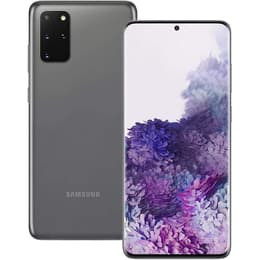
Galaxy S20+ 5G
Galaxy S20+ 5G
Starting at

Refurbished price:191.00

Versus €590.00 new

See options
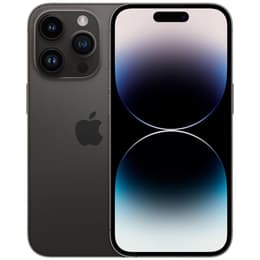
iPhone 14 Pro
iPhone 14 Pro
Starting at

Refurbished price:424.00

Versus €1,339.00 new

See options

Ratings

The Samsung Galaxy S20 Plus 5G, released in March 2020, and the Apple iPhone 14 Pro, launched in September 2022, represent distinct approaches to high-end smartphone design and functionality. While both devices offer premium experiences, they differ significantly in their operating systems, core hardware, and feature sets. The Galaxy S20 Plus 5G operates on the Android platform, offering a customizable user experience, whereas the iPhone 14 Pro runs on iOS, known for its integrated ecosystem and streamlined interface. These differences cater to varying user preferences, from software longevity to camera capabilities and overall device interaction.

Scores

Durability

The practical lifespan of a smartphone is often influenced by its release timeline, software support, and physical durability.

  • Release Timeline: The Galaxy S20 Plus 5G was introduced in March 2020, making it an older device compared to the iPhone 14 Pro, which launched in September 2022. This age difference directly impacts their respective software support cycles.
  • Software Longevity: The Galaxy S20 Plus 5G typically received three major Android operating system updates, concluding its major OS support around Android 13. It continues to receive security updates for a period beyond that. The iPhone 14 Pro, benefiting from Apple's longer support cycles, is expected to receive iOS updates for approximately five to six years from its release, offering extended access to new features and security enhancements.
  • Physical Durability: Both devices carry an IP68 rating for dust and water resistance, indicating protection against immersion in water. The iPhone 14 Pro features a Ceramic Shield front cover, designed for enhanced drop performance, while the Galaxy S20 Plus 5G uses Corning Gorilla Glass 6 for screen protection.

Year of Release

2020

2022

Compatible with latest Update

No

Yes

OS

Android

iOS

Foldable

No

No

Performance

Performance in daily use is a key consideration, encompassing how smoothly applications run, how efficiently tasks are managed, and the device's power consumption.

  • Processing Capabilities: The iPhone 14 Pro, with its newer internal components, handles demanding applications, complex multitasking, and graphics-intensive games with notable responsiveness and efficiency. The Galaxy S20 Plus 5G, while still capable for everyday tasks, may exhibit slower loading times or less fluid performance with the most current and resource-intensive applications due to its older generation processor.
  • Multitasking and Responsiveness: Both devices are designed for smooth multitasking. The iPhone 14 Pro's optimized software and hardware integration ensure a fluid user experience even with multiple applications open. The Galaxy S20 Plus 5G, often equipped with a larger amount of RAM, manages multiple applications effectively within the Android environment.
  • Battery Behavior: The Galaxy S20 Plus 5G features a 4500 mAh battery, generally providing a full day of use for many users. The iPhone 14 Pro, with a smaller battery capacity, is also designed to last a full day under typical usage, though some users report its battery life to be comparable to its immediate predecessor rather than a significant leap forward.

Memory (GB)

8 GB

6 GB

Screen quality

The display is a primary interface for smartphone interaction, and both devices offer high-quality viewing experiences with distinct characteristics.

  • Display Technology and Clarity: The Galaxy S20 Plus 5G features a 6.7-inch Dynamic AMOLED 2X display with a resolution of 3200 x 1440 pixels, resulting in a pixel density of 525 pixels per inch (ppi). The iPhone 14 Pro has a 6.1-inch Super Retina XDR OLED display with a resolution of 2556 x 1179 pixels, offering 460 ppi. Both technologies deliver vibrant colors and deep blacks.
  • Brightness and Outdoor Visibility: The iPhone 14 Pro offers significantly higher peak brightness, reaching up to 2000 nits for outdoor viewing, which enhances legibility in bright sunlight. The Galaxy S20 Plus 5G provides a peak brightness of up to 1200 nits.
  • Refresh Rate and Smoothness: Both phones feature a 120Hz refresh rate, contributing to smoother scrolling and more fluid animations. The iPhone 14 Pro incorporates ProMotion technology, allowing its refresh rate to adapt dynamically from 1Hz to 120Hz, which can contribute to power efficiency and enables an Always-On display feature.

Resolution

1440 x 3200

1179 x 2556

Screen type

Dynamic AMOLED 2X

LTPO Super Retina XDR OLED

Audiovisual

Camera capabilities are a significant factor for many users, and both devices offer advanced systems for capturing photos and videos.

  • Camera System Configuration: The Galaxy S20 Plus 5G includes a triple camera setup with a 12MP main sensor, a 64MP telephoto lens offering 3x hybrid optical zoom, and a 12MP ultrawide lens. The iPhone 14 Pro features a triple camera system with a 48MP main sensor that utilizes a quad-pixel design, a 12MP ultrawide lens, and a 12MP telephoto lens with 3x optical zoom.
  • Photography Performance: The iPhone 14 Pro shows notable advancements in low-light photography due to its larger main sensor and enhanced image processing through the Photonic Engine. Its 48MP main sensor can capture detailed images, which can be output as 12MP binned photos or full 48MP ProRAW files. The Galaxy S20 Plus 5G delivered strong photographic results for its generation, particularly in well-lit conditions.
  • Video Recording and Audio: Both devices support 4K video recording. The iPhone 14 Pro offers additional features like Cinematic mode for depth-of-field effects and ProRes video recording. Both phones are equipped with stereo speakers, providing a good audio experience for media consumption. The iPhone 14 Pro's speakers are noted for their loudness and support for spatial audio. Neither device includes a 3.5mm headphone jack.

Main camera

12 megapixels

48 megapixels

Front camera

10 megapixels

12 megapixels

Miscellaneous

Beyond core features, several practical elements contribute to the overall user experience and device utility.

  • Connectivity and Ports: Both the Galaxy S20 Plus 5G and iPhone 14 Pro support 5G networks and Wi-Fi 6 for fast wireless connectivity. The iPhone 14 Pro features Bluetooth 5.3, an upgrade from the Galaxy S20 Plus 5G's Bluetooth 5.0. The Galaxy S20 Plus 5G uses a USB-C port for charging and data transfer, while the iPhone 14 Pro utilizes Apple's Lightning port. The iPhone 14 Pro also includes Emergency SOS via satellite for communication in areas without cellular or Wi-Fi coverage.
  • Biometric Security and Design: The Galaxy S20 Plus 5G incorporates an in-display fingerprint sensor for secure unlocking. The iPhone 14 Pro relies on Face ID for facial recognition. In terms of physical design, the Galaxy S20 Plus 5G measures 161.9 x 73.7 x 7.8 mm and weighs 188g. The iPhone 14 Pro is more compact at 147.5 x 71.5 x 7.9 mm but slightly heavier at 206g.
  • Build Materials: The Galaxy S20 Plus 5G features a glass front and back (Gorilla Glass 6) with an aluminum frame. The iPhone 14 Pro has a Ceramic Shield front, a textured matte glass back, and a stainless steel frame, contributing to its premium feel and durability.

Weight

188 g

206 g

Screen size (in)

6.7

6.1

Network

5G

5G

SIM card

Physical SIM + eSIM

Physical SIM + eSIM

Carrier compatibility

Unlocked

Unlocked

Connector

USB-C

Lightning

When evaluating the Samsung Galaxy S20 Plus 5G and the iPhone 14 Pro, user feedback often highlights distinct strengths for each device. The Galaxy S20 Plus 5G was praised at its launch for its expansive Dynamic AMOLED display, versatile camera system, and generally solid battery life. Some users, however, noted the regional variations in processor performance and the eventual end of major software updates as points of consideration. The iPhone 14 Pro, on the other hand, receives consistent acclaim for its advanced camera capabilities, particularly in low light, its powerful performance, and the innovative Dynamic Island feature. Common discussions around the iPhone 14 Pro sometimes touch on its battery life, which, while sufficient for a full day, was not always seen as a significant improvement over its predecessors by all users.

Users prioritizing a larger display, the flexibility of the Android operating system, and a device that has matured in its software cycle may find the Galaxy S20 Plus 5G well-suited to their needs. Conversely, individuals seeking the latest in mobile camera technology, long-term software support, a highly integrated ecosystem, and a compact yet powerful device will likely lean towards the iPhone 14 Pro. Both devices offer robust performance for their respective generations, and choosing between them often comes down to a preference for operating system, camera priorities, and overall design philosophy. For those looking to make a sustainable choice, both models are available as quality-assured refurbished options, extending their lifespan and reducing electronic waste.


See all articles

Our recent comparisons