

Galaxy S20 FE Vs Huawei P30 Pro

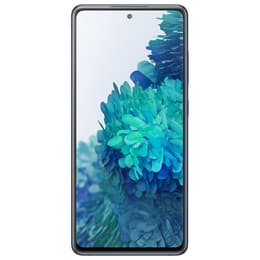
Galaxy S20 FE
Galaxy S20 FE
Starting at

Refurbished price:151.00

Versus €779.00 new

See options
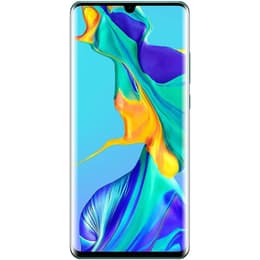
Huawei P30 Pro
Huawei P30 Pro
Starting at

Refurbished price:186.00

Versus €849.00 new

See options

Ratings

The Samsung Galaxy S20 FE, released in October 2020, and the Huawei P30 Pro, launched in March 2019, represent two distinct approaches to flagship-level smartphone experiences from their respective release eras. While both devices offer robust camera systems and capable performance, key differences lie in their display technology, software ecosystem, and overall design philosophy. This comparison aims to highlight these practical distinctions to help users determine which device best suits their needs.

Scores

Durability

When considering the long-term usability of these devices, their release timelines and software support are important factors.

  • Release Timeline: The Samsung Galaxy S20 FE was released in October 2020, making it approximately a year and a half newer than the Huawei P30 Pro, which launched in March 2019. This difference in age can impact future software updates and overall device longevity.
  • Software Longevity: The Galaxy S20 FE launched with Android 10 and has received updates up to Android 12 or 13, with Samsung typically providing several years of major OS and security updates. The Huawei P30 Pro initially ran Android 9.0 Pie and was updated to Android 10 with EMUI 12 globally. While the P30 Pro launched with Google Mobile Services, its update path may differ from devices with full, ongoing Google support.
  • Durability Features: Both devices feature an IP68 rating for dust and water resistance, offering protection against immersion in water. The Galaxy S20 FE uses Gorilla Glass 3 for its display and has a plastic back with an aluminum frame, while the P30 Pro features a glass back and metal frame. Repairability for the P30 Pro was rated 4 out of 10 by iFixit, indicating it can be challenging to repair due to heavy use of adhesive.

Year of Release

2020

2019

Compatible with latest Update

No

No

OS

Android

Android

Foldable

No

No

Performance

The performance of a smartphone is crucial for daily tasks, from app usage to multitasking and gaming.

  • Processing Power: The Galaxy S20 FE is equipped with a more recent generation processor, which generally translates to faster app loading times and smoother operation, especially with demanding applications and games. The Huawei P30 Pro features a capable processor from its release year, providing a responsive experience for most everyday tasks and moderate gaming.
  • Multitasking and Responsiveness: Both phones offer configurations with ample RAM, typically 6GB or 8GB, allowing for efficient multitasking and quick switching between applications. Users of the S20 FE often report a consistently smooth experience, even with the 120Hz display enabled.
  • Storage Options: Both devices come with various internal storage options, commonly 128GB or 256GB, and both support expandable storage. The Galaxy S20 FE uses a microSDXC slot, while the Huawei P30 Pro utilizes Huawei's proprietary Nano Memory cards.

Memory (GB)

6 GB

8 GB

Screen quality

The display is a primary interface for any smartphone, and these two models offer different visual experiences.

  • Display Technology and Refresh Rate: The Samsung Galaxy S20 FE features a 6.5-inch Super AMOLED display with a 120Hz refresh rate, providing exceptionally smooth scrolling and fluid animations. The Huawei P30 Pro has a 6.47-inch OLED display with a standard 60Hz refresh rate, offering vibrant colors and deep blacks.
  • Resolution and Clarity: Both phones offer a Full HD+ resolution (1080 x 2400 pixels for S20 FE, 1080 x 2340 pixels for P30 Pro), resulting in sharp images and text for typical viewing distances.
  • Brightness and Outdoor Visibility: The Super AMOLED panel on the S20 FE generally provides good brightness, though some users have noted that outdoor visibility can be challenging in direct sunlight. The OLED display of the P30 Pro also offers good brightness and contrast.
  • Design: The Galaxy S20 FE has a flat display with a punch-hole cutout for the front camera. The Huawei P30 Pro features a curved display with a small notch at the top.

Resolution

1080 x 2400

1080 x 2340

Screen type

Super AMOLED

OLED

Audiovisual

Both smartphones were recognized for their camera capabilities at their respective launches, though they excel in different areas.

  • Rear Camera Systems: The Galaxy S20 FE features a versatile triple-camera setup with a 12MP main sensor, a 12MP ultrawide, and an 8MP telephoto lens offering 3x optical zoom. The Huawei P30 Pro boasts a quad-camera system, including a 40MP main sensor, a 20MP ultrawide, an 8MP telephoto lens with an impressive 5x optical zoom, and a Time-of-Flight (ToF) sensor for depth sensing.
  • Photography Performance: The P30 Pro is particularly renowned for its exceptional low-light performance and advanced zoom capabilities, often capturing details in very dim conditions and at significant distances. The S20 FE delivers consistent and vibrant photos in good lighting, with its main camera performing well and the 3x optical zoom being useful.
  • Video Recording and Front Camera: Both devices are capable of recording 4K video. For selfies, both phones feature a 32MP front-facing camera, providing detailed self-portraits.

Main camera

12 megapixels

40 megapixels

Front camera

32 megapixels

32 megapixels

Miscellaneous

Beyond the core features, several practical elements contribute to the overall user experience.

  • Connectivity: The Samsung Galaxy S20 FE (5G variant) supports 5G networks, along with Wi-Fi 6 and Bluetooth 5.0. The Huawei P30 Pro supports Wi-Fi 802.11ac and Bluetooth 5.0, but does not include 5G connectivity.
  • Ports and Audio: The Galaxy S20 FE features a USB-C 3.2 port and stereo speakers, but lacks a 3.5mm headphone jack. The Huawei P30 Pro also has a USB-C port and stereo speakers, but similarly omits a 3.5mm headphone jack.
  • Biometric Security: Both smartphones incorporate an optical in-screen fingerprint sensor for secure unlocking. The P30 Pro also offers 2D face unlock.
  • Physical Characteristics: The Galaxy S20 FE measures 159.8 x 74.5 x 8.4 mm and weighs 190g. The Huawei P30 Pro is slightly more compact at 158 x 73.4 x 8.4 mm and weighs 192g. The S20 FE's plastic back can offer a different tactile experience compared to the P30 Pro's glass back.

Weight

190 g

192 g

Screen size (in)

6.5

6.47

Network

4G

4G

SIM card

Dual Physical SIM

Dual Physical SIM

Carrier compatibility

Unlocked

Unlocked

User feedback for the Samsung Galaxy S20 FE often highlights its strong performance, vibrant 120Hz display, and capable camera system as key strengths. Many appreciate its balanced feature set for a well-rounded daily experience. Some users have noted that the plastic back might feel less premium than glass, and outdoor screen visibility could be improved.

The Huawei P30 Pro is frequently praised for its groundbreaking camera, particularly its exceptional low-light photography and impressive optical zoom capabilities. Its battery life also received positive remarks. Criticisms sometimes point to its software update longevity compared to other Android devices and the proprietary Nano Memory card slot.

Users prioritizing a smoother display experience, more recent software support, and 5G connectivity may find the Samsung Galaxy S20 FE to be a more suitable choice. Its balanced performance and camera versatility make it a strong contender for general use. Conversely, individuals who place a high premium on advanced camera features, especially optical zoom and low-light photography, might lean towards the Huawei P30 Pro. Its unique camera system remains a significant draw for photography enthusiasts. Both devices offer a quality-assured refurbished option, providing an eco-friendly alternative for consumers.


See all articles

Our recent comparisons