
Galaxy S20 Vs iPhone 14 Pro

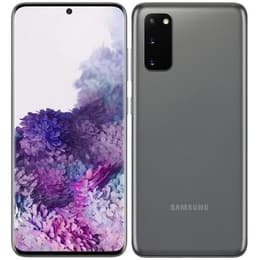
Galaxy S20
Galaxy S20
Starting at

Refurbished price:193.00

Versus €909.00 new

See options
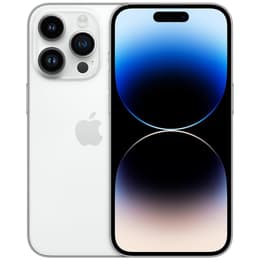
iPhone 14 Pro
iPhone 14 Pro
Starting at

Refurbished price:424.00

Versus €1,339.00 new

See options

Ratings

The Samsung Galaxy S20, released in March 2020, and the iPhone 14 Pro, launched in September 2022, represent different generations of flagship smartphones from their respective manufacturers. While both offer premium mobile experiences, the iPhone 14 Pro introduces more recent advancements in processing power, camera technology, and display features. The Galaxy S20 operates on Android, offering a customizable experience, whereas the iPhone 14 Pro runs on iOS, known for its integrated ecosystem and streamlined interface.

Scores

Durability

When considering the longevity of these devices, several factors come into play, including software support, physical durability, and the overall age of the hardware.

  • Software Updates: The iPhone 14 Pro, being a more recent release, benefits from a longer expected period of iOS updates, typically receiving major OS upgrades for 5-6 years from its launch. The Galaxy S20, having launched with Android 10, has likely received its last major Android OS update and will continue to receive security updates for a limited time.
  • Physical Durability: Both devices feature robust builds. The Galaxy S20 utilizes Gorilla Glass 6 for its front and back, paired with an aluminum frame, and carries an IP68 rating for dust and water resistance. The iPhone 14 Pro, on the other hand, incorporates a Ceramic Shield front cover, a textured matte glass back, and a surgical-grade stainless steel frame, also with an IP68 rating.
  • Practical Lifespan: Users can expect the iPhone 14 Pro to remain fully functional and supported for a longer duration due to its newer components and extended software support. The Galaxy S20, while still capable, will gradually see reduced software support and potentially slower performance with newer applications over time.

Year of Release

2020

2022

Compatible with latest Update

No

Yes

OS

Android

iOS

Foldable

No

No

Performance

The performance of a smartphone is largely determined by its internal components, impacting everything from app responsiveness to multitasking capabilities and battery efficiency.

  • Processing Power: The iPhone 14 Pro is equipped with a more advanced processor, which translates to smoother operation for demanding applications, faster game loading times, and more efficient handling of complex tasks. The Galaxy S20, while powerful for its release year, features an older generation processor (either the Exynos 990 or Snapdragon 865, depending on region), which may show limitations when running the most current and resource-intensive software.
  • Multitasking and Responsiveness: Both devices offer ample RAM for efficient multitasking. The iPhone 14 Pro's optimized software and powerful processor ensure a highly responsive user experience, even with multiple applications running simultaneously. The Galaxy S20 also handles everyday multitasking well, though the overall system fluidity might not match the newer iPhone in very demanding scenarios.
  • Battery Behavior: The iPhone 14 Pro features a battery capacity of approximately 3,200 mAh, optimized by its efficient processor and iOS for extended usage, with users reporting it can last through a full day for many. The Galaxy S20 has a 4,000 mAh battery, which provided solid all-day power at its launch, though actual endurance varies with usage patterns and network conditions.

Memory (GB)

8 GB

6 GB

Screen quality

The display is a primary interface for smartphone interaction, and both devices offer high-quality viewing experiences with distinct characteristics.

  • Display Technology and Clarity: The iPhone 14 Pro features a 6.1-inch Super Retina XDR OLED display with a resolution of 2556 x 1179 pixels, offering sharp visuals and excellent color reproduction. The Galaxy S20 comes with a 6.2-inch Dynamic AMOLED 2X display, providing a resolution of 3200 x 1440 pixels, known for its vibrant colors and deep blacks.
  • Brightness and Refresh Rate: The iPhone 14 Pro boasts a peak outdoor brightness of up to 2,000 nits, making it highly visible even in direct sunlight, and features ProMotion technology for an adaptive refresh rate up to 120Hz, ensuring smooth scrolling and responsiveness. The Galaxy S20 also offers a 120Hz refresh rate (at FHD+ resolution) and can reach a peak brightness of up to 1,200 nits, providing a bright and fluid visual experience.
  • Unique Display Features: The iPhone 14 Pro introduces the Dynamic Island, an interactive area around the front camera cutout that adapts to show alerts and background activities. It also includes an Always-On display. The Galaxy S20 features an Infinity-O display with a small punch-hole cutout for the front camera, maximizing screen real estate.

Resolution

1440 x 3200

1179 x 2556

Screen type

Dynamic AMOLED 2X

LTPO Super Retina XDR OLED

Audiovisual

Both smartphones offer advanced camera systems designed to capture high-quality photos and videos, though they approach imaging with different strengths and features.

  • Rear Camera System: The iPhone 14 Pro features a versatile triple-camera setup, including a 48MP main sensor that uses pixel binning for enhanced detail and low-light performance, a 12MP ultrawide lens, and a 12MP telephoto lens with 3x optical zoom. The Galaxy S20 also has a triple-lens system, comprising a 12MP wide-angle camera, a 64MP telephoto camera with 3x hybrid optical zoom, and a 12MP ultrawide camera.
  • Photography Features: The iPhone 14 Pro excels in computational photography with features like Photonic Engine, Deep Fusion, and Cinematic Mode for video, offering advanced control over depth of field. The Galaxy S20 introduced features like 8K video recording and a 30x Super Resolution Zoom, alongside a dedicated Night Mode for improved low-light shots.
  • Front Camera and Video: The iPhone 14 Pro includes a 12MP TrueDepth front camera with autofocus and advanced video capabilities, including 4K HDR video recording. The Galaxy S20 features a 10MP front camera capable of capturing detailed selfies and 4K video.

Main camera

12 megapixels

48 megapixels

Front camera

10 megapixels

12 megapixels

Miscellaneous

Beyond the core features, several other aspects contribute to the overall user experience, from connectivity to physical design.

  • Connectivity and Ports: Both devices support 5G connectivity and modern Wi-Fi standards (Wi-Fi 6). The iPhone 14 Pro uses a Lightning port for charging and data transfer, while the Galaxy S20 features a USB-C port. Neither device includes a traditional 3.5mm headphone jack.
  • Biometrics and Sensors: The iPhone 14 Pro relies on Face ID for secure facial recognition and authentication. The Galaxy S20 incorporates an ultrasonic in-display fingerprint sensor for biometric security. Both devices include a standard array of sensors such as accelerometers, gyroscopes, and ambient light sensors.
  • Design and Handling: The iPhone 14 Pro has dimensions of 147.5 x 71.5 x 7.85 mm and weighs 206g, featuring flat edges and a premium feel. The Galaxy S20 is slightly taller and narrower at 151.7 x 69.1 x 7.9 mm and lighter at 163g, with curved display edges for a comfortable grip.

Weight

163 g

206 g

Screen size (in)

6.2

6.1

Network

4G

5G

SIM card

Dual Physical SIM

Physical SIM + eSIM

Carrier compatibility

Unlocked

Unlocked

Connector

USB-C

Lightning

User feedback for the iPhone 14 Pro often highlights its exceptional camera performance, particularly in low light, the fluid and adaptive Dynamic Island interface, and its robust battery life. Common praise also includes the powerful processor, ensuring smooth performance across all tasks. Some users, however, have noted its weight compared to previous models. For the Galaxy S20, users frequently praised its vibrant display, versatile camera system at the time of its release, and the inclusion of expandable storage. Criticisms sometimes pointed to the battery life, especially when using the 120Hz refresh rate at its highest resolution, and the regional variations in processor performance.

Users prioritizing the latest software support, advanced computational photography features, and a highly integrated ecosystem will find the iPhone 14 Pro well-suited to their needs. Its superior processing power and brighter display also cater to those who demand top-tier performance and outdoor visibility. Conversely, users who prefer the Android operating system's customization options, value expandable storage, and appreciate a lighter device might lean towards the Galaxy S20. Both devices offer a quality smartphone experience, and choosing between them often comes down to individual preference for operating system, specific camera features, and design aesthetics. For those looking for a more sustainable choice, considering a quality-assured refurbished option for either model can be an eco-friendly alternative.


See all articles

Our recent comparisons