
Galaxy S20 FE Vs iPhone 14 Pro

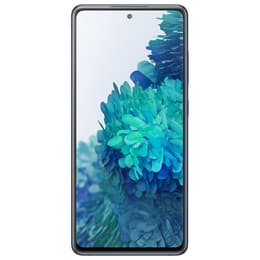
Galaxy S20 FE
Galaxy S20 FE
Starting at

Refurbished price:151.00

Versus €779.00 new

See options
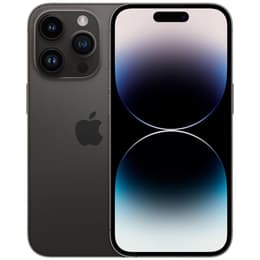
iPhone 14 Pro
iPhone 14 Pro
Starting at

Refurbished price:423.00

Versus €1,339.00 new

See options

Ratings

The Samsung Galaxy S20 FE, released in October 2020, and the iPhone 14 Pro, launched in September 2022, represent different approaches to smartphone design and functionality from their respective manufacturers. While the Galaxy S20 FE offers a feature-rich Android experience with a focus on user-requested elements, the iPhone 14 Pro provides Apple's premium iOS ecosystem with advanced camera technology and display innovations. These devices cater to distinct user preferences, primarily differing in their operating systems and release timelines.

Scores

Durability

When considering the long-term usability of these devices, their release timelines and software support policies are key differentiators.

  • Release and Software Support: The Samsung Galaxy S20 FE, released in October 2020, was committed to three major Android OS upgrades and five years of security patches. It has reached the end of its software update lifecycle around October 2025, meaning it will no longer receive new security patches or Android updates. In contrast, the iPhone 14 Pro, released in September 2022, is expected to receive iOS updates for approximately 5 to 7 years, with security patches potentially extending beyond that, likely until around September 2029.
  • Physical Durability: Both devices feature robust builds. The Galaxy S20 FE has an IP68 rating for dust and water protection and a plastic (polycarbonate) back, which some users note is less prone to shattering than glass but can scratch more easily. The iPhone 14 Pro features a Ceramic Shield front cover, a stainless steel frame, and a glass back, also with an IP68 rating for water and dust resistance.
  • Repairability: While both devices are designed with durability in mind, the cost and ease of repair can vary. User reports indicate that repairs for the glass back on the iPhone 14 Pro can be costly.

Year of Release

2020

2022

Compatible with latest Update

No

Yes

OS

Android

iOS

Foldable

No

No

Performance

The performance of a smartphone is crucial for daily tasks, from app usage to demanding applications.

  • Processing Power: The Samsung Galaxy S20 FE is powered by a processor that handles everyday tasks smoothly, with some users noting that the 5G variant's processor provides a responsive experience. The iPhone 14 Pro features a more recent-generation processor designed for demanding applications and multitasking, offering significant performance headroom.
  • Multitasking and Storage: The Galaxy S20 FE comes with 6GB or 8GB of RAM and offers 128GB or 256GB of internal storage, which is expandable via a microSD card. Some users with 6GB RAM models have reported that heavy multitasking can be limiting. The iPhone 14 Pro includes 6GB of RAM and offers storage options ranging from 128GB up to 1TB, though it does not support expandable storage.
  • Battery Behavior: The Galaxy S20 FE is equipped with a 4500mAh battery. While some users report it can last a full day with moderate use, heavy users might find the battery life to be a concern, sometimes not lasting a full day. The iPhone 14 Pro has a battery capacity of approximately 3200 mAh. User feedback suggests inconsistent battery performance, with some experiencing quicker drain, particularly with features like the Always-On Display.

Memory (GB)

6 GB

6 GB

Screen quality

The display is a primary interface for smartphone interaction, and both devices offer distinct visual experiences.

  • Display Technology and Size: The Samsung Galaxy S20 FE features a 6.5-inch Super AMOLED display with a resolution of 1080x2400 pixels. The iPhone 14 Pro has a slightly smaller 6.1-inch Super Retina XDR OLED display with a higher resolution of 2556x1179 pixels, resulting in a higher pixel density.
  • Refresh Rate and Brightness: Both devices offer a 120Hz refresh rate for smoother scrolling and responsiveness. The iPhone 14 Pro's display is adaptive, capable of scaling down to 1Hz to conserve battery life, and boasts higher peak brightness levels, reaching up to 2000 nits for outdoor visibility. Some Galaxy S20 FE users have noted that its brightness might not be optimal for outdoor use.
  • Visual Features: The iPhone 14 Pro introduces the Dynamic Island, a pill-shaped area that dynamically displays alerts and background activities, and an Always-On Display feature. Some Galaxy S20 FE users have reported that the pentile pixel arrangement can make text appear less sharp than on other flagship displays.

Resolution

1080 x 2400

1179 x 2556

Screen type

Super AMOLED

LTPO Super Retina XDR OLED

Audiovisual

Camera capabilities are a significant factor for many users, and these devices offer different photographic strengths.

  • Rear Camera Systems: The Samsung Galaxy S20 FE features a triple rear camera setup, including a 12-megapixel primary lens, a 12-megapixel ultrawide lens, and an 8-megapixel telephoto lens with 3x optical zoom. The iPhone 14 Pro also has a triple camera system, with a 48-megapixel primary sensor, a 12-megapixel ultrawide, and a 12-megapixel telephoto lens.
  • Photography Performance: The Galaxy S20 FE generally produces good photos, with bright and vibrant colors from its main camera. However, its telephoto camera has limitations in low-light conditions and for macro shots. The iPhone 14 Pro's larger primary sensor and improved processing contribute to enhanced low-light performance and overall image quality. Some users have noted that the iPhone 14 Pro's camera can struggle with close-up focus and may overheat during extended RAW image capture, potentially leading to slowdowns.
  • Front Camera and Video: The Galaxy S20 FE has a 32-megapixel front camera, though some users find the results can be soft due to software processing. The iPhone 14 Pro features a 12-megapixel front camera. Both devices offer strong video recording capabilities, with the iPhone 14 Pro introducing features like Action Mode for improved stabilization.

Main camera

12 megapixels

48 megapixels

Front camera

32 megapixels

12 megapixels

Miscellaneous

Beyond core features, several practical elements contribute to the overall user experience.

  • Connectivity and Ports: The Samsung Galaxy S20 FE supports 5G (on the 5G variant), Wi-Fi, and Bluetooth, and includes a USB-C port. The iPhone 14 Pro also supports 5G, Wi-Fi, and Bluetooth, but uses a Lightning port for charging and data transfer. Notably, US models of the iPhone 14 Pro do not support physical SIM cards.
  • Biometric Security and Design: The Galaxy S20 FE offers both an in-display fingerprint sensor and face unlock. The iPhone 14 Pro relies on Face ID for biometric authentication and includes a LiDAR scanner. In terms of physical design, the Galaxy S20 FE weighs 190 grams, while the iPhone 14 Pro is slightly heavier.
  • Build Materials: The Galaxy S20 FE features a plastic back, which contributes to its lighter feel, while the iPhone 14 Pro uses a more premium combination of stainless steel and glass.

Weight

190 g

206 g

Screen size (in)

6.5

6.1

Network

4G

5G

SIM card

Dual Physical SIM

Physical SIM + eSIM

Carrier compatibility

Unlocked

Unlocked

The Samsung Galaxy S20 FE and the iPhone 14 Pro cater to different user priorities, reflecting their distinct release strategies and ecosystems. The Galaxy S20 FE, praised for its vibrant display and generally capable camera system, was designed to offer a balance of features. However, some users have noted concerns regarding its battery life under heavy use, potential for slower performance compared to newer flagships, and the end of its software update cycle.

The iPhone 14 Pro, on the other hand, is often lauded for its advanced display technology, powerful processing capabilities, and sophisticated camera system. User feedback, however, has highlighted issues such as inconsistent battery performance, particularly with certain features enabled, and high repair costs for physical damage. Early reports also mentioned software glitches that were often resolved with updates.

Users prioritizing a device with a longer software support lifespan and cutting-edge performance for demanding applications may find the iPhone 14 Pro more aligned with their needs. Its advanced display and camera features also appeal to those who value premium multimedia experiences. Conversely, individuals seeking a device with expandable storage and a more open operating system, and who are comfortable with an older software support cycle, might consider the Galaxy S20 FE. Both devices, when acquired as quality-assured refurbished options, offer an eco-friendly alternative for consumers.


See all articles

Our recent comparisons