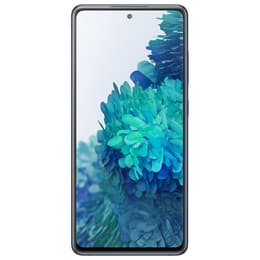
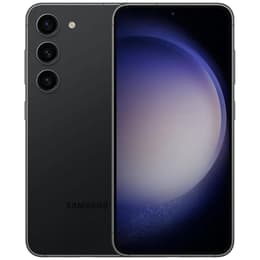


Galaxy S20 FE Vs Galaxy S23

Galaxy S20 FE
Galaxy S20 FE
Starting at

Refurbished price:151.00

Versus €779.00 new

See options
Galaxy S23
Galaxy S23
Starting at

Refurbished price:240.00

Versus €959.00 new

See options

Ratings

The Samsung Galaxy S20 FE, released in October 2020, and the Samsung Galaxy S23, launched in February 2023, represent different generations within Samsung's smartphone lineup. While the S20 FE was introduced as a 'Fan Edition' offering key flagship features at its time, the S23 is a more recent flagship model. The primary distinctions lie in their processing power, camera capabilities, and overall software longevity, reflecting the technological advancements over a few years.

Scores

Durability

The practical lifespan of a smartphone is significantly influenced by its release timeline and the duration of software support it receives.

  • Release Timeline: The Galaxy S20 FE was released in October 2020, making it an older device compared to the Galaxy S23, which launched in February 2023. This age difference directly impacts the remaining period of official software updates and security patches.
  • OS Support Duration: The Galaxy S20 FE launched with Android 10 and received major OS updates up to Android 13. In contrast, the Galaxy S23 launched with Android 13 and is expected to receive major OS updates for a longer period, potentially up to Android 17, offering extended software longevity.
  • Repairability and Build: Both devices feature an IP68 rating for dust and water resistance. The Galaxy S20 FE uses Gorilla Glass 3 on the front and a plastic back, while the Galaxy S23 incorporates Gorilla Glass Victus 2 on both the front and back, suggesting enhanced durability against drops and scratches.

Year of Release

2020

2023

Compatible with latest Update

No

Yes

OS

Android

Android

Foldable

No

No

Performance

Performance differences between these two models are notable, primarily due to the generational gap in their internal components.

  • Processing Capabilities: The Galaxy S20 FE is powered by a processor from 2020, which capably handles everyday tasks and moderate gaming. The Galaxy S23, however, features a more advanced processor designed for high-end performance, providing smoother operation for demanding applications, intensive multitasking, and graphic-heavy gaming.
  • System Responsiveness and RAM: The Galaxy S20 FE typically comes with 6GB or 8GB of RAM, sufficient for general use. The Galaxy S23 consistently offers 8GB of RAM, coupled with faster RAM technology, contributing to a more fluid user experience and efficient multitasking.
  • Storage Options and Speed: The S20 FE offers 128GB or 256GB of internal storage and includes a microSD card slot for expandable storage. The Galaxy S23 offers 128GB, 256GB, or 512GB internal storage options, but lacks a microSD slot. The S23 also utilizes newer, faster storage technology (UFS 4.0 for 256GB and above) compared to the S20 FE (UFS 3.1), which translates to quicker app loading and data transfer speeds.
  • Battery Behavior: The Galaxy S20 FE has a 4500 mAh battery, generally providing all-day power for typical usage. The Galaxy S23 has a smaller 3900 mAh battery, but its more efficient processor and software optimizations contribute to comparable or even improved battery endurance for many users.

Memory (GB)

6 GB

8 GB

Screen quality

Both devices offer high-quality displays, but the newer model incorporates advancements in brightness and overall visual experience.

  • Display Technology and Clarity: Both phones feature Super AMOLED or Dynamic AMOLED 2X displays, providing vibrant colors and deep blacks. The Galaxy S20 FE has a 6.5-inch display with a resolution of 1080 x 2400 pixels. The Galaxy S23 has a slightly smaller 6.1-inch display with a resolution of 1080 x 2340 pixels, resulting in a slightly higher pixel density for sharper images.
  • Brightness and Outdoor Visibility: The Galaxy S23's display offers significantly higher peak brightness levels compared to the S20 FE, enhancing visibility and readability in bright outdoor conditions.
  • Refresh Rate and Smoothness: Both models feature a 120Hz refresh rate, which provides a smooth scrolling experience and fluid animations. The Galaxy S23's adaptive refresh rate technology can adjust more dynamically, potentially contributing to better power efficiency.

Resolution

1080 x 2400

1080 x 2340

Screen type

Super AMOLED

Dynamic AMOLED 2X

Audiovisual

The camera systems on both devices are capable, but the Galaxy S23 benefits from newer sensor technology and enhanced processing.

  • Main Camera Capabilities: The Galaxy S20 FE features a triple camera setup with a 12 MP main sensor, a 12 MP ultrawide, and an 8 MP telephoto lens with 3x optical zoom. The Galaxy S23 upgrades the main sensor to 50 MP, alongside a 12 MP ultrawide and a 10 MP telephoto lens with 3x optical zoom, offering more detail and improved low-light performance.
  • Low-Light and Video Performance: The Galaxy S23 shows improvements in low-light photography due to its larger main sensor and advanced image processing. Both phones can record 4K video, but the S23 offers more advanced video recording features, including higher frame rates and better stabilization.
  • Front Camera and Audio: The S20 FE has a 32 MP front camera. The S23 features a 12 MP front camera with improved autofocus and low-light capabilities. Both devices offer capable microphone quality for calls and video recording, and their stereo speakers provide a good media consumption experience.

Main camera

12 megapixels

50 megapixels

Front camera

32 megapixels

12 megapixels

Miscellaneous

Beyond core features, several practical elements differentiate these two Samsung smartphones.

  • Connectivity Options: Both devices support 5G connectivity (on the 5G variant of the S20 FE), but the Galaxy S23 includes newer Wi-Fi 6E and Bluetooth 5.3 standards, offering potentially faster and more stable wireless connections compared to the S20 FE's Wi-Fi 6 and Bluetooth 5.0.
  • Physical Design and Handling: The Galaxy S20 FE is slightly larger and heavier, with dimensions of 159.8 x 74.5 x 8.4 mm and a weight of 190 g. The Galaxy S23 is more compact and lighter at 146.3 x 70.9 x 7.6 mm and 168 g, making it easier to handle for some users.
  • Sensors and Ports: Both phones feature USB-C ports and lack a traditional headphone jack. The S20 FE uses an optical under-display fingerprint sensor, while the S23 employs a more advanced ultrasonic under-display fingerprint sensor for enhanced security and responsiveness.

Weight

190 g

167 g

Screen size (in)

6.5

6.1

Network

4G

5G

SIM card

Dual Physical SIM

Physical SIM + eSIM

Carrier compatibility

Unlocked

Unlocked

User feedback often highlights the Galaxy S20 FE as a device that delivered excellent core features for its time, with many appreciating its vibrant display, capable camera system, and expandable storage. Common criticisms sometimes pointed to its plastic back, though this also contributed to its durability. The Galaxy S23, being a more recent flagship, generally receives praise for its refined design, significantly improved performance, and enhanced camera capabilities, particularly in low light. Some users note its smaller battery capacity compared to its predecessor, though real-world usage often benefits from greater power efficiency.

Users prioritizing a larger display and expandable storage, and who do not require the absolute latest in processing power or camera technology, may find the Galaxy S20 FE well-suited to their needs. It remains a functional device for everyday tasks and media consumption. Conversely, users who value a more compact form factor, superior performance for demanding applications, advanced camera features, and a longer period of software updates will likely lean towards the Galaxy S23. This device is particularly beneficial for those who engage in mobile gaming, intensive photography, or require the fastest possible system responsiveness. Choosing a quality-assured refurbished option for either model can provide a sustainable choice for consumers.


See all articles

Our recent comparisons