

Galaxy S10+ Vs iPhone XS

Galaxy S10+
Galaxy S10+
Starting at

Refurbished price:135.00

Versus €1,009.00 new

See options
iPhone XS
iPhone XS
Starting at

Refurbished price:128.00

Versus €489.00 new

See options

Ratings

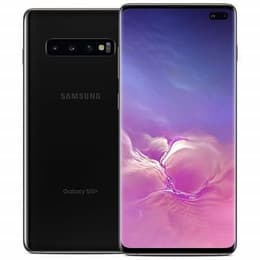
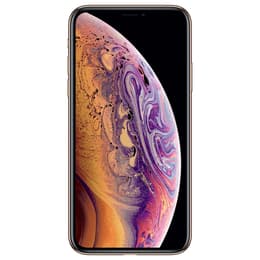
The Samsung Galaxy S10 Plus, released in March 2019, and the Apple iPhone Xs, launched in September 2018, represent flagship smartphones from their respective manufacturers. While both devices offer premium experiences, they cater to different user preferences through their distinct operating systems and hardware philosophies. Key differentiators include their camera systems, display sizes, and biometric security methods.

Scores

Durability

When considering the long-term usability of these devices, their release timelines and software support are important factors.

  • Release Timeline: The Galaxy S10 Plus was released in March 2019, making it slightly newer than the iPhone Xs, which debuted in September 2018. This difference in launch dates can influence the duration of software support and overall practical lifespan.
  • Software Longevity: The iPhone Xs received major iOS updates up to iOS 18, released in 2024, and is expected to continue receiving security updates until at least late 2026. The Galaxy S10 Plus launched with Android 9 and received major Android updates up to Android 12, with security updates typically extending for a period thereafter.
  • Build Quality: Both devices feature robust construction. The Galaxy S10 Plus incorporates Gorilla Glass 6 on the front and Gorilla Glass 5 on the back, framed by aluminum. The iPhone Xs utilizes durable glass and a surgical-grade stainless steel frame. Both models also carry an IP68 rating for water and dust resistance, indicating protection against submersion in up to 2 meters of water for up to 30 minutes.

Year of Release

2019

2018

Compatible with latest Update

No

Yes

OS

Android

iOS

Foldable

No

No

Performance

The performance of a smartphone is crucial for daily operations, from launching applications to managing multiple tasks simultaneously.

  • Storage and Memory: The Galaxy S10 Plus offers a range of internal storage options, including 128GB, 512GB, and 1TB, with the added flexibility of expandable storage via a microSD card. It also comes with 8GB or 12GB of RAM. The iPhone Xs is available with 64GB, 256GB, or 512GB of internal storage and features 4GB of RAM.
  • Everyday Responsiveness: Both devices deliver smooth performance for general use. The Galaxy S10 Plus handles demanding applications and multitasking effectively, providing a fluid user experience. The iPhone Xs also offers responsive performance for daily tasks, gaming, and navigating its operating system.
  • Battery Endurance: The Galaxy S10 Plus is equipped with a 4100 mAh battery, which users often report can last through a full day of heavy use. The iPhone Xs has a 2658 mAh battery, generally providing sufficient power for a day of moderate use, though heavy users may find themselves needing to charge more frequently.

Memory (GB)

8 GB

4 GB

Screen quality

The display is a primary interface for smartphone interaction, and both the Galaxy S10 Plus and iPhone Xs offer high-quality viewing experiences.

  • Display Technology and Size: The Galaxy S10 Plus features a 6.4-inch Dynamic AMOLED display, while the iPhone Xs comes with a 5.8-inch Super Retina OLED display. Both OLED technologies provide deep blacks and vibrant colors.
  • Resolution and Clarity: The Galaxy S10 Plus boasts a resolution of 3040 x 1440 pixels, resulting in a pixel density of 522 pixels per inch (ppi). The iPhone Xs offers a resolution of 2436 x 1125 pixels, with a pixel density of 458 ppi. Both resolutions ensure sharp text and clear images.
  • Brightness and Smoothness: The iPhone Xs has a typical maximum brightness of 625 nits, contributing to good visibility in various lighting conditions. The Galaxy S10 Plus also features a bright AMOLED screen. Both displays operate at a standard 60Hz refresh rate, providing a consistent visual experience.

Resolution

1440 x 3040

1125 x 2436

Screen type

Dynamic AMOLED

Super Retina OLED

Audiovisual

Both smartphones offer capable camera systems designed to capture a variety of moments, though with different configurations.

  • Rear Camera Systems: The Galaxy S10 Plus features a versatile triple-camera setup on the rear, including a 12-megapixel wide-angle lens, a 12-megapixel telephoto lens, and a 16-megapixel ultrawide lens. The iPhone Xs is equipped with a dual-camera system on the back, comprising a 12-megapixel wide-angle lens and a 12-megapixel telephoto lens.
  • Front Camera Capabilities: For selfies and video calls, the Galaxy S10 Plus includes a dual front camera system with a 10-megapixel wide-angle lens and an 8-megapixel depth sensor. The iPhone Xs has a single 7-megapixel front-facing camera.
  • Video and Audio Features: Both devices support 4K video recording. The Galaxy S10 Plus can record HDR10+ video, enhancing dynamic range. The iPhone Xs offers stereo audio recording for videos. For audio playback, the Galaxy S10 Plus features stereo speakers with Dolby Atmos technology.

Main camera

12 megapixels

12 megapixels

Front camera

10 megapixels

7 megapixels

Miscellaneous

Beyond core features, several practical elements contribute to the overall user experience of these smartphones.

  • Connectivity: Both devices support robust cellular connectivity, with the iPhone Xs offering Gigabit-class LTE and the Galaxy S10 Plus supporting Wi-Fi 6. Neither phone supports 5G connectivity. Both also include Bluetooth 5.0 for wireless accessory connections.
  • Ports and Biometrics: The Galaxy S10 Plus retains a 3.5mm headphone jack and uses a USB-C port for charging and data transfer. It features an ultrasonic in-display fingerprint sensor for secure unlocking. The iPhone Xs utilizes a Lightning port and relies on Face ID for biometric authentication.
  • Physical Design: The Galaxy S10 Plus measures 157.6 x 74.1 x 7.8 mm and weighs 175 grams. The iPhone Xs is more compact at 143.6 x 70.9 x 7.7 mm and weighs 177 grams. These dimensions mean the S10 Plus offers a larger screen in a slightly taller and wider body, while the iPhone Xs provides a more compact form factor with a similar weight.

Weight

175 g

177 g

Screen size (in)

6.4

5.8

Network

4G

4G

SIM card

Physical SIM

Physical SIM + eSIM

Carrier compatibility

Unlocked

Unlocked

Connector

USB-C + Jack 3.5mm

Lightning

The Samsung Galaxy S10 Plus and iPhone Xs, while both premium devices from their era, offer distinct advantages depending on user priorities. Users often praise the Galaxy S10 Plus for its expansive display, versatile camera system with an ultrawide lens, and the inclusion of a headphone jack and expandable storage. Its battery life is frequently highlighted as a strong point, often lasting a full day even with heavy usage. Some users, however, might find the Android software update cycle to be shorter compared to Apple's. The iPhone Xs is frequently lauded for its consistent performance, the intuitive iOS ecosystem, and its compact yet premium build. Its camera system is known for reliable image and video quality, and Face ID offers a convenient and secure unlocking method. A common point of discussion among users for the iPhone Xs often revolves around its smaller battery capacity compared to some Android counterparts, potentially requiring more frequent charging for intensive use.

For individuals who prioritize a larger display, a more versatile camera setup with an ultrawide lens, and the flexibility of expandable storage and a headphone jack, the Galaxy S10 Plus may be a more suitable choice. Conversely, users who prefer a more compact device, the long-term software support and ecosystem of iOS, and Face ID for security might lean towards the iPhone Xs. Both devices remain capable smartphones for everyday tasks. Exploring quality-assured refurbished options for either model presents an eco-friendly alternative for those seeking a reliable device.


See all articles

Our recent comparisons