
iPhone

Compare models
Differences at a glance
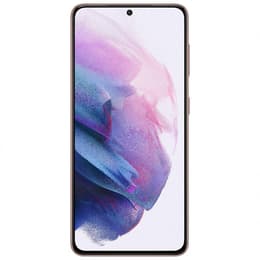
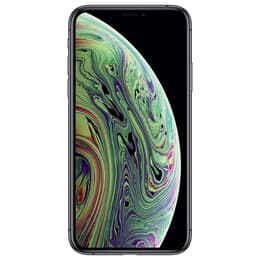
The Samsung Galaxy S21 5G, released in January 2021, and the iPhone Xs, launched in September 2018, represent different generations and operating system ecosystems in the smartphone market. While both devices offer a premium smartphone experience, the Galaxy S21 5G benefits from a more recent release, bringing advancements in display technology, camera capabilities, and connectivity. The iPhone Xs, running on Apple's iOS, provides a distinct user experience compared to the Android-based Galaxy S21 5G.
Colour
Storage
When considering the longevity of these devices, their respective release dates play a significant role in expected software support and overall practical lifespan.
Year of Release
Compatible with latest Update
OS
Foldable
The performance of a smartphone is crucial for daily tasks, app usage, and overall responsiveness. The difference in release years between these two models translates to notable distinctions in their internal components.
The display is a primary interface for smartphone interaction, and both devices offer high-quality viewing experiences with distinct characteristics.
Resolution
Screen type
Camera performance is a significant factor for many smartphone users, and both the Galaxy S21 5G and iPhone Xs offer capable systems, though with different strengths.
Main camera
Front camera
Beyond core features, several practical elements contribute to the overall user experience and daily convenience of a smartphone.
Weight
Screen size (in)
Network
SIM card
Carrier compatibility
The Samsung Galaxy S21 5G and the iPhone Xs cater to different user preferences, largely due to their generational gap and distinct operating systems. The Galaxy S21 5G, being a more recent release, offers a modern Android experience with advancements in several key areas. Users often praise the Galaxy S21 5G for its vibrant 120Hz display, versatile camera system, and 5G connectivity, which provides a faster mobile experience. Its performance is well-suited for demanding applications and extensive multitasking. Some users, however, might note its battery life, while generally good, can vary with heavy use of the 120Hz display and 5G.
The iPhone Xs, despite its older release date, continues to offer a reliable and fluid iOS experience. Users appreciate its consistent performance for everyday tasks, the quality of its OLED display, and the robust ecosystem of Apple's services. Its camera system, while not as feature-rich as the S21 5G, still delivers high-quality photos and videos. A common consideration for the iPhone Xs is its battery capacity, which some users found to be less substantial compared to contemporary Android flagships at its release.
Users prioritizing the latest display technology, faster connectivity, and a more versatile camera setup for creative photography and videography may find the Galaxy S21 5G to be a more suitable choice. Its newer hardware provides more headroom for future software and application demands. Conversely, users who prefer the intuitive and long-supported iOS ecosystem, a slightly more compact form factor, and a consistently smooth user experience for general smartphone tasks might lean towards the iPhone Xs. Both devices, especially as quality-assured refurbished options, offer an eco-friendly alternative for consumers seeking premium smartphone features.









