

Galaxy S10+ Vs iPhone 13

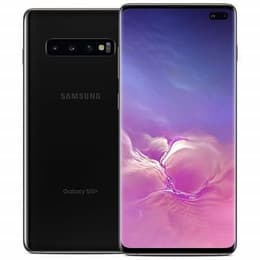
Galaxy S10+
Galaxy S10+
Starting at

Refurbished price:143.00

Versus €1,009.00 new

See options
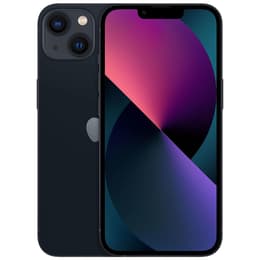
iPhone 13
iPhone 13
Starting at

Refurbished price:232.00

Versus €769.00 new

See options

Ratings

The Samsung Galaxy S10 Plus, released in March 2019, and the Apple iPhone 13, launched in September 2021, represent different generations and operating system ecosystems in the smartphone market. While the Galaxy S10 Plus runs on Android and offers a versatile camera system with a larger display, the iPhone 13 operates on iOS, featuring a more recent processor and advanced computational photography capabilities. These devices cater to users with distinct preferences for software experience and hardware design.

Scores

Durability

When considering the long-term usability of these devices, their release timelines and software support play a significant role.

  • Release Timeline and OS Support: The Galaxy S10 Plus, released in 2019, launched with Android 9.0 Pie and received updates up to Android 12. This means its official software support cycle has concluded. The iPhone 13, released in 2021, launched with iOS 15 and is compatible with current iOS versions, including iOS 18, indicating a longer period of ongoing software updates and security patches.
  • Software Longevity: Users prioritizing the latest software features and security updates will find the iPhone 13 offers a more extended support window due to Apple's typically longer update cycles for its devices. The Galaxy S10 Plus will continue to function, but new Android features and critical security updates will no longer be officially provided.
  • Repairability: The Galaxy S10 Plus received an iFixit repairability score of 3 out of 10, indicating challenges in repair due to strong adhesives and integrated components. The iPhone 13 initially had a lower repairability score, but an iOS 15.2 update improved its score to 6 out of 10 by addressing issues related to Face ID functionality after screen replacements, making some repairs more feasible.

Year of Release

2019

2021

Compatible with latest Update

No

Yes

OS

Android

iOS

Foldable

No

No

Performance

The performance of a smartphone is crucial for daily tasks, app usage, and overall responsiveness.

  • Processing Power: The iPhone 13 features a more recent and efficient processor, which translates to smoother operation for demanding applications, faster app loading times, and enhanced multitasking capabilities. The Galaxy S10 Plus, while powerful for its time, relies on an older generation processor that may show limitations with the most current and graphically intensive applications.
  • Battery Behavior: The Galaxy S10 Plus is equipped with a 4100 mAh battery, which generally provides a full day of use for many users, with some tests showing around 12.5 hours of usage. The iPhone 13, with a 3240 mAh battery, also offers improved battery life compared to its predecessors, often lasting more than a day for typical usage patterns, with some tests reporting around 7 hours and 45 minutes of screen-on time.
  • Storage and Multitasking: Both devices offer various storage configurations. The Galaxy S10 Plus came with 8GB or 12GB of RAM, which supports extensive multitasking. The iPhone 13 typically features 4GB of RAM, optimized by iOS for efficient memory management, allowing it to handle multiple applications smoothly.

Memory (GB)

8 GB

4 GB

Screen quality

The display is a primary interface for user interaction, and both devices offer distinct visual experiences.

  • Display Technology and Resolution: The Galaxy S10 Plus features a 6.4-inch Dynamic AMOLED display with a Quad HD+ resolution of 3040 x 1440 pixels, resulting in a pixel density of 522 ppi. The iPhone 13 has a 6.1-inch Super Retina XDR OLED display with a resolution of 2532 x 1170 pixels, offering a pixel density of 460 ppi. Both OLED technologies provide deep blacks and vibrant colors.
  • Brightness and Clarity: The Galaxy S10 Plus's Dynamic AMOLED screen can reach a peak brightness of 1200 nits, providing good visibility in bright conditions. The iPhone 13's Super Retina XDR display offers a typical brightness of 800 nits and a peak brightness of 1200 nits for HDR content, ensuring clear viewing even outdoors.
  • Refresh Rate and Features: Both the Galaxy S10 Plus and the iPhone 13 feature a standard 60Hz refresh rate, which provides a consistent visual experience. The Galaxy S10 Plus supports HDR10+, enhancing dynamic range for compatible content. The iPhone 13 includes HDR display capabilities and True Tone technology, which adjusts the display's white balance to match ambient light.

Resolution

1440 x 3040

1170 x 2532

Screen type

Dynamic AMOLED

Super Retina XDR OLED

Audiovisual

Camera capabilities are a key consideration for many users, and these phones approach photography with different strengths.

  • Rear Camera Systems: The Galaxy S10 Plus features a triple rear camera setup: a 12MP wide-angle lens with variable aperture and optical image stabilization (OIS), a 12MP telephoto lens with 2x optical zoom and OIS, and a 16MP ultrawide lens. The iPhone 13 has a dual rear camera system, consisting of a 12MP wide-angle lens with sensor-shift OIS and a 12MP ultrawide lens with a 120-degree field of view.
  • Photography Performance: The Galaxy S10 Plus offers features like Live Focus for portrait effects, Shot Suggestion, and Scene Optimizer to assist with various shooting conditions. The iPhone 13 excels in computational photography with features such as Cinematic Mode for video, Photographic Styles for personalized looks, Smart HDR 4 for improved dynamic range, and Night mode for low-light conditions. Its sensor-shift OIS on the wide lens helps in capturing sharper images and more stable videos.
  • Front Cameras and Video: The Galaxy S10 Plus has a dual front camera setup with a 10MP wide lens and an 8MP depth sensor, supporting Live Focus selfies. It can record video up to 4K at 60fps. The iPhone 13 features a 12MP TrueDepth front camera, also capable of Cinematic Mode and Smart HDR 4. It supports HDR video recording with Dolby Vision up to 4K at 60fps.

Main camera

12 megapixels

12 megapixels

Front camera

10 megapixels

12 megapixels

Miscellaneous

Beyond core features, several practical elements contribute to the overall user experience.

  • Connectivity: The iPhone 13 supports 5G connectivity, offering faster cellular data speeds in compatible areas. The Galaxy S10 Plus supports 4G LTE networks. Both devices include modern Wi-Fi standards and Bluetooth for wireless connections.
  • Ports and Sensors: The Galaxy S10 Plus includes a 3.5mm headphone jack and a USB-C port for charging and data transfer. It features an ultrasonic in-display fingerprint sensor for biometric authentication. The iPhone 13 uses a Lightning port and relies on Face ID for secure facial recognition.
  • Design and Handling: The Galaxy S10 Plus measures 157.6 x 74.1 x 7.8 mm and weighs 175g, featuring a curved design with Gorilla Glass 6 on the front and Gorilla Glass 5 on the back, set in an aluminum frame. The iPhone 13 is slightly more compact at 146.7 x 71.5 x 7.65 mm and weighs 174g, featuring flat edges and a Ceramic Shield front cover for enhanced durability. Both offer IP68 water and dust resistance.

Weight

175 g

173 g

Screen size (in)

6.4

6.1

Network

4G

5G

SIM card

Physical SIM

Physical SIM + eSIM

Carrier compatibility

Unlocked

Unlocked

Connector

USB-C + Jack 3.5mm

Lightning

The Samsung Galaxy S10 Plus and the iPhone 13 offer distinct smartphone experiences, reflecting their different release years and operating systems. Users often praise the Galaxy S10 Plus for its expansive, high-resolution Dynamic AMOLED display and the versatility of its triple camera system, including a dedicated telephoto lens. Common criticisms for the S10 Plus often revolve around its shorter software update lifespan compared to newer devices and its lower repairability score.

The iPhone 13 is frequently lauded for its powerful and efficient processor, its advanced computational photography features like Cinematic Mode and Smart HDR 4, and its consistent software support from Apple. Users appreciate its improved battery life over previous iPhone models and the robust iOS ecosystem. Some users might note its 60Hz display refresh rate as a point of comparison to devices with higher refresh rates.

For users prioritizing a larger, high-resolution display and the flexibility of the Android operating system with a traditional headphone jack, the Galaxy S10 Plus could be a suitable choice. Conversely, individuals who value long-term software support, a powerful and efficient processor for demanding tasks, and advanced video capabilities, along with the Apple ecosystem, may find the iPhone 13 more aligned with their needs. Both devices are available as quality-assured refurbished options, providing an eco-friendly alternative for consumers.


See all articles

Our recent comparisons







