

Galaxy S10+ Vs iPhone 12 Pro

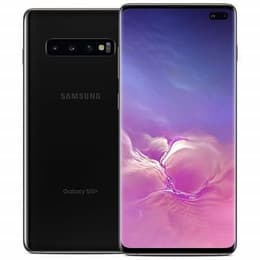
Galaxy S10+
Galaxy S10+
Starting at

Refurbished price:135.00

Versus €1,009.00 new

See options
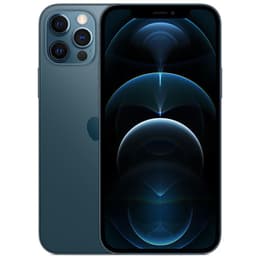
iPhone 12 Pro
iPhone 12 Pro
Starting at

Refurbished price:214.00

Versus €1,039.00 new

See options

Ratings

The Samsung Galaxy S10 Plus, released in March 2019, and the iPhone 12 Pro, launched in October 2020, represent flagship smartphones from their respective manufacturers. While both devices offer premium experiences, they differ in their operating systems and core design philosophies. The Galaxy S10 Plus runs on Android with Samsung's One UI, offering a customizable experience, while the iPhone 12 Pro operates on Apple's iOS, known for its integrated ecosystem and streamlined interface. These differences extend to their display technology, camera capabilities, and expected software longevity.

Scores

Durability

When considering the practical lifespan of these devices, their release timelines and software support policies are key factors.

  • Software Longevity: The Samsung Galaxy S10 Plus, released in early 2019, received major Android updates up to Android 12, with software support concluding around April 2023. In contrast, the iPhone 12 Pro, released in late 2020, is expected to receive iOS updates until approximately 2027, offering a longer period of official software support.
  • Repairability: The Galaxy S10 Plus received a repairability score of 3 out of 10 from iFixit, indicating challenges due to extensive adhesive and a fused in-screen fingerprint sensor. The iPhone 12 Pro scored 6 out of 10, with modular components being a positive, but proprietary screws and increased waterproofing making some repairs more complex.
  • Expected Practical Lifespan: Users prioritizing the latest software features and security updates for the longest possible duration may find the iPhone 12 Pro to offer a more extended practical lifespan. However, both devices, especially as quality-assured refurbished options, can continue to function reliably for everyday tasks beyond their official software support windows.

Year of Release

2019

2020

Compatible with latest Update

No

Yes

OS

Android

iOS

Foldable

No

No

Performance

The performance of a smartphone is crucial for daily responsiveness and handling demanding applications.

  • Processor Capabilities: The Galaxy S10 Plus, depending on the region, is powered by either a Samsung Exynos or Qualcomm Snapdragon processor, enabling smooth operation for most applications and multitasking. The iPhone 12 Pro features Apple's A14 Bionic chip, which provides a high level of performance, ensuring demanding apps and multitasking run smoothly.
  • System Responsiveness: Both devices offer a responsive user experience for general navigation, app loading, and media consumption. The iPhone 12 Pro's newer processor generally provides more headroom for future software updates and graphically intensive tasks.
  • Storage Options: The Galaxy S10 Plus was available with various storage configurations, including options for expandable storage via a microSD card. The iPhone 12 Pro offers internal storage options of 128GB, 256GB, and 512GB, without expandable storage.

Memory (GB)

8 GB

6 GB

Screen quality

The display is a primary interface for smartphone interaction, and both models offer distinct viewing experiences.

  • Display Technology and Clarity: The Galaxy S10 Plus features a 6.4-inch Dynamic AMOLED display with a QHD+ resolution (3040 x 1440 pixels), providing vibrant colors, deep blacks, and excellent contrast. The iPhone 12 Pro has a 6.1-inch Super Retina XDR OLED display with a resolution of 2532x1170 pixels, also delivering deep blacks and vivid colors.
  • Brightness and Outdoor Visibility: Both screens offer high brightness levels, with the iPhone 12 Pro capable of reaching up to 1200 nits peak brightness for HDR content, ensuring good visibility in various lighting conditions, including outdoors. The Galaxy S10 Plus also provides a bright display with excellent outdoor readability.
  • Screen Size and Viewing Experience: The Galaxy S10 Plus offers a slightly larger screen at 6.4 inches compared to the iPhone 12 Pro's 6.1 inches, which can provide a more expansive viewing area for media and productivity.

Resolution

1440 x 3040

1170 x 2532

Screen type

Dynamic AMOLED

Super Retina XDR OLED

Audiovisual

Both smartphones feature advanced camera systems designed to capture high-quality photos and videos.

  • Camera System Capabilities: The Galaxy S10 Plus is equipped with a versatile triple-lens rear camera system, including a 12MP main lens with variable aperture, a 12MP telephoto lens with 2x optical zoom, and a 16MP ultra-wide lens. It also has a dual front camera setup. The iPhone 12 Pro features a triple 12MP camera system (wide, ultra-wide, telephoto) and a LiDAR Scanner, enhancing its photographic capabilities.
  • Photography Performance: The Galaxy S10 Plus delivers detailed images with natural colors and good dynamic range in well-lit conditions. Its Live Focus (portrait mode) is noted for accurate edge detection. The iPhone 12 Pro offers improved low-light performance, Night mode for the ultra-wide lens, and the ability to capture in Apple ProRAW format, providing more flexibility for editing.
  • Video Recording: Both devices are capable of recording 4K video. The iPhone 12 Pro supports 4K 60fps Dolby Vision HDR video recording, offering enhanced dynamic range in videos. The Galaxy S10 Plus can also shoot 4K videos with both its front and rear cameras.

Main camera

12 megapixels

12 megapixels

Front camera

10 megapixels

12 megapixels

Miscellaneous

Beyond core features, several practical elements contribute to the overall user experience of these smartphones.

  • Connectivity and Ports: The iPhone 12 Pro introduced 5G connectivity, offering faster cellular data speeds where available. Both devices support modern Wi-Fi standards and Bluetooth. The Galaxy S10 Plus includes a traditional 3.5mm headphone jack, which is absent on the iPhone 12 Pro. The iPhone 12 Pro uses a Lightning port, while the Galaxy S10 Plus uses USB-C.
  • Biometrics and Special Features: The Galaxy S10 Plus features an ultrasonic in-display fingerprint sensor for secure unlocking. The iPhone 12 Pro relies on Face ID for facial recognition. The Galaxy S10 Plus also offers Wireless PowerShare, allowing it to wirelessly charge other compatible devices. The iPhone 12 Pro introduced MagSafe for magnetic attachment of accessories and wireless charging.
  • Build and Handling: The Galaxy S10 Plus weighs 175g and features a glass front (Gorilla Glass 6) and back (Gorilla Glass 5) with an aluminum frame. The iPhone 12 Pro weighs 189g and has a stainless steel frame with a Ceramic Shield front cover, designed for increased durability, and a glass back. Both devices carry an IP68 rating for water and dust resistance.

Weight

175 g

187 g

Width

7,41 cm

7.15 cm

Height

15.76 cm

14.67 cm

Depth

0,78 cm

0.74 cm

Screen size (in)

6.4

6.1

Network

4G

5G

SIM card

Physical SIM

Physical SIM + eSIM

Carrier compatibility

Unlocked

Unlocked

Connector

USB-C + Jack 3.5mm

Lightning

The Samsung Galaxy S10 Plus and iPhone 12 Pro offer distinct advantages based on user priorities. Users often praise the Galaxy S10 Plus for its vibrant AMOLED display, the inclusion of a headphone jack, and expandable storage, which provides flexibility for media enthusiasts and those who prefer physical connections. Its battery life was generally considered strong for its time, often lasting a full day of heavy use. Some criticisms for the S10 Plus included its lower repairability score and the eventual end of software support.

The iPhone 12 Pro is frequently lauded for its powerful processor, consistent camera performance with advanced features like Dolby Vision HDR video recording and ProRAW, and its longer software update commitment. However, some users noted that its battery life, particularly with 5G usage, could be merely average compared to some competitors. The absence of a headphone jack and expandable storage are also common points of consideration for potential buyers.

Users prioritizing a larger, highly customizable Android experience with traditional features like a headphone jack and expandable storage may find the Galaxy S10 Plus well-suited to their needs. Conversely, those who value a streamlined iOS ecosystem, extended software support, and advanced camera capabilities, particularly for video, might lean towards the iPhone 12 Pro. Both models are available as quality-assured refurbished options, providing a sustainable choice for consumers.


See all articles

Our recent comparisons