

Galaxy S10+ Vs Galaxy S21+ 5G

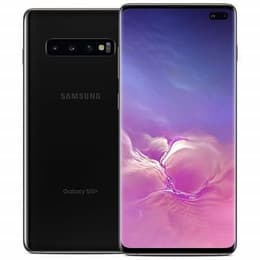
Galaxy S10+
Galaxy S10+
Starting at

Refurbished price:135.00

Versus €1,009.00 new

See options
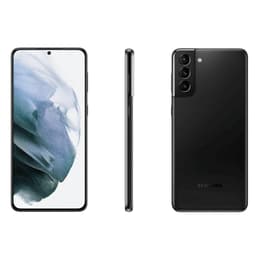
Galaxy S21+ 5G
Galaxy S21+ 5G
Starting at

Refurbished price:185.00

Versus €1,059.00 new

See options

Ratings

The Samsung Galaxy S10 Plus, released in March 2019, and the Samsung Galaxy S21 Plus 5G, launched in January 2021, represent different generations within Samsung's premium smartphone lineup. While both devices offer a high-end Android experience, the S21 Plus 5G introduces advancements in processing power, camera capabilities, and network connectivity, reflecting its newer release. Both operate on the Android platform, but their software support timelines differ significantly.

Scores

Durability

The practical lifespan of a smartphone is often determined by its software support and physical durability.

  • Release Timeline: The Galaxy S10 Plus, released in March 2019, has reached the end of its major Android operating system updates, concluding with Android 12 (One UI 4.1) around December 2021. Security updates for the S10 Plus likely ceased in early 2023 or 2024. In contrast, the Galaxy S21 Plus 5G, launched in January 2021, received four major Android OS updates, with its final update being Android 15 (One UI 7) in May 2025, and security updates concluding in February 2026.
  • Software Longevity: Users prioritizing extended software support and access to the latest Android features will find the Galaxy S21 Plus 5G offers a significantly longer period of official updates, ensuring compatibility with newer applications and security protocols for a longer duration.
  • Build Materials: The Galaxy S10 Plus features Corning Gorilla Glass 6 on the front and Gorilla Glass 5 on the back, encased in an aluminum frame. The Galaxy S21 Plus 5G upgrades the front protection to Corning Gorilla Glass Victus, while featuring a plastic back and an aluminum frame. Both devices carry an IP68 rating for dust and water resistance, indicating similar levels of protection against environmental elements.

Year of Release

2019

2021

Compatible with latest Update

No

Yes

OS

Android

Android

Foldable

No

No

Performance

Performance is a key differentiator, impacting how smoothly applications run and how efficiently the device handles demanding tasks.

  • Processor Capabilities: The Galaxy S10 Plus is powered by an older generation processor, which capably handles everyday applications and multitasking. For more intensive tasks like advanced gaming or video editing, it performs adequately but may show its age with newer, more demanding software. The Galaxy S21 Plus 5G features a newer generation processor, providing a noticeable boost in speed and efficiency. This translates to faster app loading times, smoother transitions between applications, and a more responsive experience, particularly with graphically intensive games and complex productivity tools.
  • Memory and Storage: Both devices offer 8GB of RAM, with the S10 Plus also having a 12GB RAM option. The S10 Plus provides storage options up to 1TB and includes a microSD card slot for expandable storage, offering flexibility for users with large media libraries. The S21 Plus 5G comes with 8GB of RAM and storage options up to 256GB, but it does not include a microSD card slot, meaning storage is not expandable.
  • Battery Behavior: The Galaxy S10 Plus is equipped with a 4100 mAh battery, generally providing sufficient power for a full day of moderate use. The Galaxy S21 Plus 5G has a larger 4800 mAh battery, which, combined with its more efficient processor and adaptive refresh rate display, typically offers extended usage times, often lasting through a full day even for heavy users.

Memory (GB)

8 GB

8 GB

Screen quality

The display is the primary interface for interaction, and differences in screen technology and specifications can significantly affect the viewing experience.

  • Display Technology and Resolution: The Galaxy S10 Plus features a 6.4-inch Dynamic AMOLED display with a high resolution of 3040 x 1440 pixels, resulting in a sharp and detailed visual experience with a pixel density of approximately 522 ppi. The Galaxy S21 Plus 5G has a larger 6.7-inch Dynamic AMOLED 2X display, but with a lower resolution of 2400 x 1080 pixels, offering a pixel density of around 394 ppi. While the S10 Plus offers a higher pixel density, the S21 Plus 5G's display is still clear and vibrant for most content.
  • Refresh Rate and Brightness: The S10 Plus has a standard 60Hz refresh rate, providing a smooth experience for typical usage. The S21 Plus 5G features an adaptive 120Hz refresh rate, which dynamically adjusts to content, offering noticeably smoother scrolling and more fluid animations. The S21 Plus 5G also boasts higher peak brightness, improving visibility in bright outdoor conditions.
  • Screen Protection: The S10 Plus is protected by Corning Gorilla Glass 6. The S21 Plus 5G features the newer Corning Gorilla Glass Victus, which offers enhanced drop and scratch resistance.

Resolution

1440 x 3040

1080 x 2400

Screen type

Dynamic AMOLED

Dynamic AMOLED 2X

Audiovisual

Both devices offer versatile camera systems, but the newer model incorporates advancements in sensor technology and computational photography.

  • Rear Camera System: The Galaxy S10 Plus features a triple rear camera setup: a 12MP wide-angle lens with a variable aperture, a 12MP telephoto lens with 2x optical zoom, and a 16MP ultrawide lens. This system is capable of capturing detailed photos in various conditions. The Galaxy S21 Plus 5G also has a triple rear camera system, consisting of a 12MP wide-angle lens, a 64MP telephoto lens offering 3x hybrid optical zoom, and a 12MP ultrawide lens. The S21 Plus 5G's telephoto lens, despite its higher megapixel count, primarily uses hybrid zoom for its 3x capability, but it can capture more detail when cropping from the full 64MP sensor.
  • Photography Performance: The S21 Plus 5G generally offers improved low-light performance and better image processing due to its newer sensor technology and more powerful processor. It also includes features like 8K video recording at 24 frames per second, allowing for high-resolution video capture and the ability to extract high-quality stills from video. The S10 Plus supports 4K video recording at 60 frames per second.
  • Front Camera: The S10 Plus features a dual front camera system with a 10MP wide-angle lens and an 8MP depth sensor, which assists in creating more accurate portrait mode effects. The S21 Plus 5G has a single 10MP front camera, which still delivers clear selfies and supports portrait effects through software processing.

Main camera

12 megapixels

12 megapixels

Front camera

10 megapixels

10 megapixels

Miscellaneous

Beyond core specifications, several practical elements contribute to the overall user experience and daily convenience.

  • Connectivity: The Galaxy S10 Plus supports 4G LTE, Wi-Fi 6, and Bluetooth 5.0. The Galaxy S21 Plus 5G offers enhanced connectivity with 5G network support and Wi-Fi 6E, providing faster mobile data speeds and improved Wi-Fi performance in compatible environments. Both devices support Bluetooth 5.0.
  • Ports and Sensors: A notable difference is the inclusion of a 3.5mm headphone jack on the Galaxy S10 Plus, a feature absent on the S21 Plus 5G, which relies solely on its USB-C port for wired audio and charging. Both devices feature USB-C ports for charging and data transfer. Both include in-display fingerprint sensors for secure unlocking.
  • Design and Handling: The S10 Plus weighs 175g and has dimensions of 157.6 x 74.1 x 7.8 mm. The S21 Plus 5G is slightly larger and heavier at 200g with dimensions of 161.5 x 75.6 x 7.8 mm. The S10 Plus features a curved display, while the S21 Plus 5G has a flatter screen design.

Weight

175 g

200 g

Screen size (in)

6.4

6.7

Network

4G

5G

SIM card

Physical SIM

Physical SIM + eSIM

Carrier compatibility

Unlocked

Unlocked

Connector

USB-C + Jack 3.5mm

USB-C

When evaluating the Samsung Galaxy S10 Plus and the Galaxy S21 Plus 5G, user priorities will largely guide the decision. The Galaxy S10 Plus is often praised for its higher display resolution and the inclusion of a 3.5mm headphone jack, features that some users still highly value. Its expandable storage via a microSD card slot is another frequent point of appreciation, offering flexibility for media enthusiasts. However, common criticisms revolve around its shorter software support timeline and the absence of 5G connectivity, which can impact its long-term relevance in a rapidly evolving mobile landscape.

The Galaxy S21 Plus 5G, on the other hand, receives commendation for its significantly longer software update commitment, ensuring a more future-proof device. Its 5G capabilities, smoother 120Hz adaptive display, and more powerful processor contribute to a more modern and responsive user experience. Users also appreciate its enhanced camera features, including 8K video recording. Criticisms often include the removal of the 3.5mm headphone jack and the lack of expandable storage, which might be a drawback for some. The slightly lower display resolution compared to its predecessor is also noted, though often not a significant concern in daily use.

Users prioritizing software longevity, cutting-edge performance for demanding applications, 5G connectivity, and advanced camera features will find the Galaxy S21 Plus 5G well-suited to their needs. Conversely, those who value a higher pixel density display, expandable storage, and the convenience of a traditional headphone jack may lean towards the Galaxy S10 Plus. Both devices offer a quality smartphone experience, and considering a quality-assured refurbished option for either model can be a sustainable choice for consumers.


See all articles

Our recent comparisons