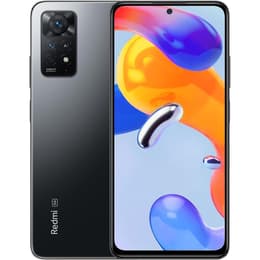


Compare models
iPhone 12 Pro Vs Xiaomi Redmi Note 11 Pro 5G
- 1-year minimum warranty
- Free delivery on all orders
- Free 30-day returns
Differences at a glance
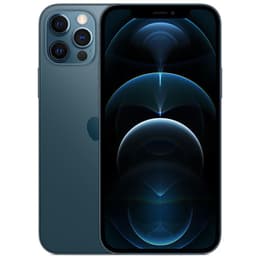
The iPhone 12 Pro, released in October 2020, and the Xiaomi Redmi Note 11 Pro 5G, launched in early 2022, represent distinct approaches to smartphone design and functionality. While the iPhone operates on Apple's iOS ecosystem, the Redmi Note 11 Pro 5G runs on Android, specifically MIUI. The primary differences between these two devices lie in their camera capabilities, display technology, and overall software experience.
Available Models
Colour
Storage (GB)
Scores
Durability
When considering the long-term usability of these devices, their release timelines and software support are key factors.
- Software Longevity: The iPhone 12 Pro, released in October 2020, typically receives iOS updates for approximately five to six years from its launch. As of March 2026, it is running iOS 26.4, indicating continued support. The Redmi Note 11 Pro 5G, launched in early 2022 with Android 11 and MIUI 13, is expected to receive fewer major Android version updates compared to the iPhone, potentially limiting its software lifespan.
- Physical Durability: The iPhone 12 Pro features a Ceramic Shield front cover and a stainless steel frame, contributing to its robust build and IP68 water and dust resistance. The Redmi Note 11 Pro 5G utilizes Gorilla Glass 5 for its display and a glass back, with an IP53 rating for splash resistance, offering a good level of protection for its category.
- Repairability: Both devices, like many modern smartphones, present challenges for user repair. However, the availability of parts and professional repair services can vary by region and brand ecosystem.
Year of Release
2020
2022
Compatible with latest Update
Yes
No
OS
iOS
Android
Foldable
No
No
Performance
The performance of a smartphone is crucial for daily tasks, from navigating apps to demanding gaming sessions.
- System Responsiveness: The iPhone 12 Pro, powered by its internal processor and 6GB of RAM, delivers a consistently fluid and responsive user experience, handling demanding applications and multitasking with ease. The Redmi Note 11 Pro 5G, equipped with its octa-core processor and available with 6GB or 8GB of RAM, provides smooth performance for everyday use and can manage moderately intensive games.
- Storage Options: The iPhone 12 Pro offers internal storage options starting from 128GB, with higher capacities available, but without expandable storage. The Redmi Note 11 Pro 5G typically comes with 64GB or 128GB of internal storage, with the added flexibility of expanding storage via a microSD card.
- Battery Behavior: The iPhone 12 Pro's battery provides sufficient power for a full day of moderate use, though heavy use, especially with 5G connectivity, can lead to more frequent charging. The Redmi Note 11 Pro 5G features a larger battery capacity, often allowing for extended usage between charges, and supports fast charging technology for quick power replenishment.
Screen quality
The display is a primary interface, and differences in technology and specifications can significantly impact the visual experience.
- Display Technology and Clarity: The iPhone 12 Pro features a 6.1-inch Super Retina XDR OLED display, offering deep blacks, vibrant colors, and a resolution of 2532x1170 pixels at 460 pixels per inch (ppi). The Redmi Note 11 Pro 5G sports a larger 6.67-inch Super AMOLED display with a resolution of 1080x2400 pixels at 395 ppi, also delivering rich colors and good contrast.
- Brightness and Refresh Rate: Both devices offer high peak brightness levels, reaching up to 1200 nits, which aids in outdoor visibility. A key difference is the refresh rate: the iPhone 12 Pro has a standard 60Hz refresh rate, while the Redmi Note 11 Pro 5G features a smoother 120Hz refresh rate, which can make scrolling and animations appear more fluid.
- Viewing Experience: The iPhone 12 Pro's display is protected by Ceramic Shield, enhancing its resistance to drops. The Redmi Note 11 Pro 5G uses Corning Gorilla Glass 5 for screen protection.
Resolution
1170 x 2532
1080 x 2400
Screen type
Super Retina XDR OLED
Super AMOLED
Audiovisual
Camera systems are a major differentiator, influencing the quality of photos and videos captured in various conditions.
- Rear Camera System: The iPhone 12 Pro is equipped with a versatile triple 12-megapixel camera system, including wide, ultra-wide, and telephoto lenses, along with a LiDAR scanner for improved autofocus in low light and Night mode portraits. The Redmi Note 11 Pro 5G features a triple camera setup with a 108-megapixel main sensor, an 8-megapixel ultra-wide lens, and a 2-megapixel macro lens.
- Photography Performance: The iPhone 12 Pro excels in capturing detailed images with consistent color science across its lenses, offering strong low-light performance and advanced computational photography features. The Redmi Note 11 Pro 5G's 108-megapixel main camera can produce detailed daytime photos, but its ultra-wide and macro lenses may show less consistent quality, and low-light performance can be improved with Night mode.
- Video Recording: The iPhone 12 Pro supports 4K video recording at up to 60 frames per second with Dolby Vision HDR, providing high-quality video capture. The Redmi Note 11 Pro 5G is limited to 1080p video recording at 30 frames per second, lacking 4K capability, which is a notable difference for users prioritizing video quality.
Main camera
12 megapixels
108 megapixels
Front camera
12 megapixels
16 megapixels
Miscellaneous
Beyond core features, several practical elements contribute to the overall user experience and device utility.
- Connectivity and Ports: Both devices support 5G connectivity, enabling faster mobile data speeds. The iPhone 12 Pro uses Apple's proprietary Lightning port for charging and data transfer. The Redmi Note 11 Pro 5G features a USB-C port, a 3.5mm headphone jack, and an IR blaster, offering broader compatibility with accessories and traditional audio options.
- Biometric Security: The iPhone 12 Pro relies on Face ID for secure facial recognition. The Redmi Note 11 Pro 5G incorporates a side-mounted fingerprint sensor for biometric authentication.
- Design and Handling: The iPhone 12 Pro has a more compact design with a stainless steel frame and flat edges, weighing 189 grams. The Redmi Note 11 Pro 5G is larger and slightly heavier at 202 grams, featuring a glass back and a plastic mid-frame.
Weight
187 g
202 g
Screen size (in)
6.1
6.67
Network
5G
5G
SIM card
Physical SIM + eSIM
Dual Physical SIM
Carrier compatibility
Unlocked
Unlocked
Connector
Lightning
USB-C + Jack 3.5mm
What the community thinks
User feedback for the iPhone 12 Pro often highlights its robust build quality, consistent performance, and excellent camera system, particularly for photography and video recording. Users appreciate the seamless iOS experience and long-term software support. Some common criticisms include the 60Hz display, which some users find less smooth compared to higher refresh rate screens, and battery life that can be impacted by heavy 5G usage.
For the Xiaomi Redmi Note 11 Pro 5G, users frequently praise its vibrant 120Hz AMOLED display, long battery life, and fast charging capabilities. The inclusion of a 3.5mm headphone jack and expandable storage are also often cited as positive aspects. However, criticisms often revolve around its camera performance, particularly the lack of 4K video recording, and some users have reported software inconsistencies or a less refined user interface compared to other devices.
Users prioritizing a highly refined software experience, advanced camera features for both photos and videos, and a compact, premium build may find the iPhone 12 Pro to be a suitable choice. Its ecosystem integration and extended software support also appeal to those seeking long-term device relevance. Conversely, individuals who value a larger, smoother display, extended battery life with rapid charging, and the flexibility of expandable storage and a headphone jack might lean towards the Redmi Note 11 Pro 5G. This device is also well-suited for users who prefer the Android operating system and its customization options.
Both devices offer compelling features for different user needs. Exploring quality-assured refurbished options for either model can provide an eco-friendly alternative for consumers looking to make an informed and sustainable choice.