

Compare models
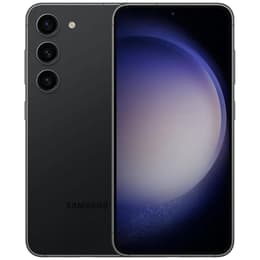
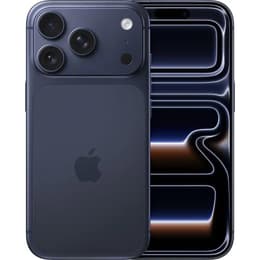
Galaxy S23 Vs iPhone 17 Pro
- 1-year minimum warranty
- Free delivery on all orders
- Free 30-day returns
Differences at a glance
The Samsung Galaxy S23, released in February 2023, and the iPhone 17 Pro, launched in September 2025, represent distinct approaches to premium smartphone design and functionality. While both devices offer high-end experiences, they differ significantly in their operating systems, camera capabilities, and long-term software support. The Galaxy S23 operates on Android, offering a customizable user experience, whereas the iPhone 17 Pro runs on Apple's iOS, known for its integrated ecosystem and streamlined interface.
Available Models
Colour
Storage (GB)
Scores
Durability
When considering the practical lifespan of these devices, their release timelines and software support policies are key factors.
- Release Timeline: The Galaxy S23 was introduced in early 2023, making it a more mature device compared to the iPhone 17 Pro, which debuted in late 2025. This difference in release year directly impacts their remaining software support windows.
- Software Longevity: The Galaxy S23 is guaranteed to receive four generations of Android OS upgrades and five years of security updates, meaning it should continue to receive major OS updates until Android 17 (expected in 2026) and security patches until 2028. In contrast, the iPhone 17 Pro is projected to receive approximately seven years of iOS updates, extending its software support until around 2032. This extended support period for the iPhone 17 Pro offers a longer window for new features and security enhancements.
- Repairability: The iPhone 17 Pro received a provisional repairability score of 7 out of 10 from iFixit, noting improvements like a screwed-in battery tray that simplifies battery replacement. The Galaxy S23 series, while showing some internal improvements for repairability compared to its predecessors, received a lower score of 4 out of 10 from iFixit, indicating more challenges for independent repairs.
Year of Release
2023
2025
Compatible with latest Update
Yes
Yes
OS
Android
iOS
Foldable
No
No
Performance
Both smartphones are equipped with powerful internal components designed to handle demanding applications and multitasking, though their underlying architectures differ.
- Processing Power: The Galaxy S23 features a current-generation processor that enables smooth operation for everyday tasks, gaming, and multitasking. The iPhone 17 Pro is powered by an advanced chip, which provides a highly responsive experience, handling intensive apps and complex operations with ease, further enhanced by a vapor chamber cooling system for sustained performance.
- Multitasking and Responsiveness: Users of the Galaxy S23 generally report a fluid experience when switching between applications and navigating the operating system. The iPhone 17 Pro is noted for its exceptional speed and seamless app performance, with users often highlighting its ability to maintain responsiveness even under heavy load.
- Storage Options: The Galaxy S23 offers storage configurations starting from 128GB, with options up to 512GB. The iPhone 17 Pro provides more generous base storage, typically starting at 256GB, and extends to higher capacities, catering to users with extensive digital content.
Screen quality
The visual experience on both devices is delivered through high-quality displays, each with distinct characteristics that cater to different preferences.
- Display Technology and Clarity: The Galaxy S23 features a 6.1-inch Dynamic AMOLED 2X display, offering vibrant colors and deep blacks with a resolution of 2340 x 1080 pixels. The iPhone 17 Pro comes with a 6.3-inch Super Retina XDR OLED display, providing excellent color accuracy and sharp detail with a resolution of 2622 x 1206 pixels.
- Brightness and Outdoor Visibility: Both phones offer impressive brightness levels. The Galaxy S23 can reach a peak brightness of 1750 nits, ensuring good visibility in bright outdoor conditions. The iPhone 17 Pro surpasses this with a peak outdoor brightness of 3000 nits, making its display exceptionally clear even under direct sunlight.
- Refresh Rate and Smoothness: Both devices incorporate adaptive refresh rate technology for smoother scrolling and more fluid animations. The Galaxy S23's display adjusts its refresh rate between 48Hz and 120Hz. The iPhone 17 Pro features ProMotion technology, offering adaptive refresh rates up to 120Hz, contributing to a highly responsive touch and viewing experience.
Resolution
1080 x 2340
2622x1206
Screen type
Dynamic AMOLED 2X
Super Retina XDR
Audiovisual
Both smartphones are equipped with advanced camera systems, designed to capture high-quality photos and videos in various conditions, though with differing specifications and user experiences.
- Rear Camera System: The Galaxy S23 features a versatile triple-camera setup, including a 50-megapixel main sensor, a 12-megapixel ultrawide lens, and a 10-megapixel telephoto lens with 3x optical zoom. The iPhone 17 Pro boasts a more advanced 48-megapixel Pro Fusion camera system across its main, ultrawide, and telephoto lenses, with the telephoto offering an 8x optical-quality zoom.
- Photography Performance: Users generally praise the Galaxy S23 for its vibrant photos, good low-light capabilities, and effective video stabilization. The iPhone 17 Pro is noted for its excellent overall camera performance, particularly for video recording, and its ability to produce high-quality images with great dynamic range.
- Front Camera and Audio: The Galaxy S23 includes a 12-megapixel front camera. The iPhone 17 Pro features an 18-megapixel Center Stage front camera, which enhances group selfies and video calls by automatically adjusting the frame. Both devices offer good speaker output for media consumption, with the iPhone often cited for its slightly better speakers.
Main camera
50 megapixels
48 megapixels
Front camera
12 megapixels
18 megapixels
Miscellaneous
Beyond the core features, several practical elements contribute to the overall user experience and daily usability of these devices.
- Connectivity and Ports: Both the Galaxy S23 and iPhone 17 Pro support modern connectivity standards, including 5G and advanced Wi-Fi. The Galaxy S23 uses a USB-C port for charging and data transfer. The iPhone 17 Pro also features a USB-C port, aligning with current industry standards.
- Biometric Security: The Galaxy S23 incorporates an in-display fingerprint sensor and facial recognition for secure unlocking. The iPhone 17 Pro relies on Face ID, Apple's facial recognition system, which is generally considered highly secure and reliable.
- Design and Handling: The Galaxy S23 has a compact design, measuring 146.3 x 70.9 x 7.6 mm and weighing 168 grams, making it comfortable for one-handed use. The iPhone 17 Pro is slightly larger and heavier at 150 x 71.9 x 8.75 mm and 206 grams, featuring a heat-forged aluminum unibody design.
Weight
167 g
206 g
Screen size (in)
6.1
6.3
Network
5G
5G
SIM card
Physical SIM + eSIM
eSIM
Carrier compatibility
Unlocked
Unlocked
What the community thinks
The Samsung Galaxy S23 and iPhone 17 Pro cater to users with differing priorities, reflecting the strengths of their respective ecosystems. Users frequently praise the Galaxy S23 for its smooth Android experience, extensive customization options through One UI, and capable camera system, particularly for its price point. However, some users have noted concerns regarding its battery life under heavy usage and occasional overheating.
The iPhone 17 Pro, on the other hand, receives consistent acclaim for its exceptional battery life, advanced camera capabilities (especially for video), and the overall polished and integrated feel of iOS. Criticisms often revolve around iOS's comparatively limited customization options and notification handling when compared to Android.
Users prioritizing a highly customizable operating system, a compact form factor, and a strong camera for general photography may find the Galaxy S23 well-suited to their needs. Conversely, those who value extended software support, industry-leading battery endurance, superior video recording, and a highly integrated ecosystem will likely lean towards the iPhone 17 Pro. Both devices offer a premium smartphone experience, and for those seeking a quality-assured refurbished option, both models are available, providing an eco-friendly alternative to new purchases.











