

Samsung

Compare models
Differences at a glance
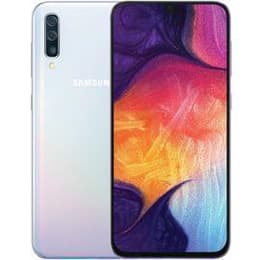
The Samsung Galaxy A50 (2019) and the Google Pixel 6A (2022) are both Android smartphones, but they originate from different generations of mobile technology. The Galaxy A50, released earlier, focused on delivering a large Super AMOLED display and a versatile camera setup for its time. In contrast, the Pixel 6A, a more recent offering, emphasizes advanced processing power and computational photography capabilities, alongside a commitment to extended software support.
Colour
Storage
The expected lifespan of these devices differs significantly due to their release timelines and manufacturer support policies.
Year of Release
Compatible with latest Update
OS
Foldable
The performance capabilities of these two smartphones reflect their respective generations, with the newer device offering a more powerful experience.
Both devices feature vibrant display technologies, but there are differences in size, brightness, and refresh rate.
Resolution
Screen type
The camera systems on these smartphones approach photography with different philosophies, impacting their overall output.
Main camera
Front camera
Beyond core specifications, several practical elements differentiate these two devices in daily use.
Weight
Screen size (in)
Network
SIM card
Carrier compatibility
Connector
The Samsung Galaxy A50 and Google Pixel 6A cater to different user priorities, largely due to their generational gap. Users often praised the Galaxy A50 for its vibrant Super AMOLED display and solid battery life for its time. Its triple camera setup was considered versatile in good lighting, and the inclusion of a headphone jack and expandable storage were appreciated features. However, common criticisms included its performance not being a 'multitasking champion' and its camera struggling in low-light conditions.
The Google Pixel 6A, on the other hand, received acclaim for its powerful processing capabilities, which ensure smooth performance across demanding applications. Its camera system, driven by advanced computational photography, is a frequent highlight, delivering impressive results in various lighting scenarios. Users also value its extended software support and the added durability of an IP67 rating. Some users noted the 60Hz refresh rate as a potential drawback compared to other devices released around the same time.
Users prioritizing a larger, vibrant display and the flexibility of expandable storage may find the Galaxy A50 suitable, especially for general media consumption and light use. Conversely, users who value strong, consistent camera performance, robust processing power for demanding tasks, and a longer period of software updates will likely find the Pixel 6A better aligned with their needs. For those considering a more sustainable choice, both models are available as quality-assured refurbished options, extending their lifecycle and reducing electronic waste.