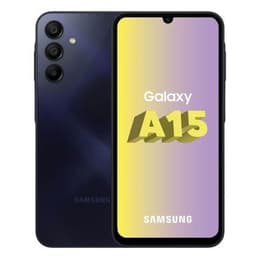
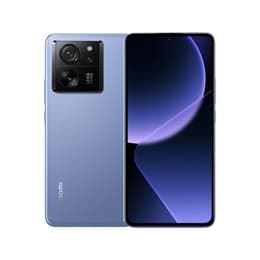


Galaxy A15 Vs Xiaomi 13T

Galaxy A15
Galaxy A15
Starting at

Refurbished price:124.00

Versus €189.00 new

See options
Xiaomi 13T
Xiaomi 13T
Starting at

Refurbished price:183.00

Versus €630.00 new

See options

Ratings

The Samsung Galaxy A15, released in late 2023 and early 2024, and the Xiaomi 13T, launched in September 2023, are both Android smartphones offering distinct experiences. While both devices provide a modern smartphone foundation, they differentiate themselves primarily through their performance capabilities, camera systems, and display technologies. Both run on the Android operating system, ensuring access to a wide ecosystem of applications and services.

Scores

Durability

When considering the long-term usability of a smartphone, factors like software support and physical resilience are key. Both the Galaxy A15 and the Xiaomi 13T offer substantial commitments to software longevity, contributing to their practical lifespan.

  • Software Support: The Samsung Galaxy A15 is slated to receive four major Android operating system upgrades and five years of security updates, extending its support until approximately 2029. The Xiaomi 13T also benefits from a similar policy, with four generations of Android OS upgrades and five years of security patches, meaning support until around 2028.
  • Physical Durability: The Galaxy A15 features a glass front with a plastic frame and back. The Xiaomi 13T offers a glass front protected by Gorilla Glass 5, a choice of glass or silicone polymer for the back, and a plastic frame. Additionally, the Xiaomi 13T includes an IP68 rating, indicating a higher level of resistance to dust and water immersion. The Galaxy A15 does not carry an official IP rating.
  • Repairability: While specific repairability scores are not readily available for either model, the use of common materials and construction methods suggests a standard approach to potential repairs. The extended software support for both devices means users can expect a prolonged period of secure and updated functionality.

Year of Release

2023

2023

Compatible with latest Update

Yes

Yes

OS

Android

Android

Foldable

No

No

Performance

The performance of a smartphone impacts everything from app responsiveness to gaming fluidity. The Galaxy A15 and Xiaomi 13T approach performance with different hardware configurations, leading to varied real-world experiences.

  • Processing Power: The Galaxy A15 is equipped with a processor designed for efficient handling of daily tasks such as browsing, social media, and communication. Users may experience occasional minor delays when switching between many demanding applications. The Xiaomi 13T, on the other hand, features a more powerful processor, enabling smoother multitasking, faster app loading, and a more fluid experience with graphically intensive games and applications.
  • Memory and Storage: The Galaxy A15 is available with various RAM configurations, including 4GB, 6GB, and 8GB, and offers 128GB or 256GB of internal storage, which can be expanded using a microSD card. The Xiaomi 13T comes with 8GB or 12GB of RAM and 256GB of internal storage, but it does not support expandable storage.
  • Battery and Charging: Both devices house a 5000 mAh battery, providing ample power for a full day of typical use. However, their charging speeds differ significantly. The Galaxy A15 supports 25W fast charging. The Xiaomi 13T features 67W wired charging, allowing for a much quicker recharge time.

Memory (GB)

4 GB

8 GB

Screen quality

The display is a primary interface for any smartphone, and both the Galaxy A15 and Xiaomi 13T offer vibrant viewing experiences, though with distinct characteristics in their panel technology and capabilities.

  • Display Technology and Clarity: The Galaxy A15 features a 6.5-inch Super AMOLED display with a Full HD+ resolution (1080 x 2340 pixels), providing clear and vibrant visuals with deep blacks. The Xiaomi 13T sports a slightly larger 6.67-inch AMOLED display with a higher 1.5K resolution (1220 x 2712 pixels), resulting in a sharper image and finer detail.
  • Brightness and Smoothness: For outdoor visibility, the Galaxy A15 reaches up to 800 nits in high brightness mode. The Xiaomi 13T offers higher brightness levels, reaching up to 1200 nits in high brightness mode and a peak of 2600 nits, which can be beneficial in bright sunlight. In terms of fluidity, the Galaxy A15 has a 90Hz refresh rate for smooth scrolling and animations. The Xiaomi 13T provides an even smoother experience with a 144Hz refresh rate.
  • Viewing Experience: Both displays offer rich colors and good contrast, suitable for media consumption and general use. The Xiaomi 13T's higher resolution and refresh rate contribute to a more immersive and responsive visual experience, particularly noticeable in fast-paced content or detailed imagery.

Resolution

1080 x 2340

1220 x 2712

Screen type

Super AMOLED

AMOLED

Audiovisual

For many users, the camera system is a crucial aspect of a smartphone. The Galaxy A15 and Xiaomi 13T offer different camera setups, catering to varying photographic needs and preferences.

  • Rear Camera Systems: The Galaxy A15 is equipped with a triple rear camera setup, including a 50-megapixel main sensor, a 5-megapixel ultrawide lens, and a 2-megapixel macro lens. This configuration is capable of capturing detailed photos in well-lit conditions. The Xiaomi 13T features a more versatile triple camera system, comprising a 50-megapixel main camera with optical image stabilization (OIS), a 50-megapixel telephoto lens offering 2x optical zoom, and a 12-megapixel ultrawide lens. The Xiaomi 13T's cameras also benefit from Leica's imaging expertise in some regions, offering distinct color profiles.
  • Photography Performance: The Galaxy A15's main camera performs well for everyday photography, producing clear images in adequate lighting. The Xiaomi 13T's main camera excels in various conditions, including low light, and its telephoto lens delivers sharp images with optical zoom.
  • Video and Front Camera: For video recording, the Galaxy A15 supports up to 1080p resolution at 30 frames per second. The Xiaomi 13T offers higher video capabilities, including 4K recording at 30 frames per second and 1080p at up to 120 frames per second. The front-facing camera on the Galaxy A15 is 13-megapixel, suitable for selfies and video calls. The Xiaomi 13T has a 20-megapixel front camera, providing higher resolution for self-portraits.

Main camera

50 megapixels

50 megapixels

Front camera

13 megapixels

20 megapixels

Miscellaneous

Beyond the core specifications, several practical features and design elements contribute to the overall user experience of a smartphone. The Galaxy A15 and Xiaomi 13T offer different approaches in these areas.

  • Connectivity and Ports: The Galaxy A15 supports 4G and 5G networks, Wi-Fi 5, and Bluetooth 5.3, and includes a 3.5mm headphone jack and a USB-C 2.0 port. The Xiaomi 13T offers 5G connectivity, newer Wi-Fi 6, and Bluetooth 5.4, featuring a USB-C 2.0 port but omitting the traditional headphone jack. Both devices include NFC for contactless payments.
  • Biometric Security: For unlocking and secure authentication, the Galaxy A15 utilizes a side-mounted fingerprint sensor. The Xiaomi 13T incorporates an under-display optical fingerprint sensor.
  • Design and Handling: The Galaxy A15 measures approximately 160.1 x 76.8 x 8.4 mm and weighs around 200g. The Xiaomi 13T is slightly larger at 162.2 x 75.7 x 8.5 mm (glass version) and weighs between 193g (glass) and 197g (silicone). The choice of materials also differs, with the A15 featuring a plastic back and frame, while the 13T offers a glass or silicone back with a plastic frame.

Weight

200 g

193 g

Screen size (in)

6.5

6.67

Network

4G

5G

SIM card

Dual Physical SIM

Dual Physical SIM

Carrier compatibility

Unlocked

Unlocked

The Samsung Galaxy A15 and Xiaomi 13T cater to different user priorities, each offering a compelling set of features for their respective segments. User feedback often highlights the Galaxy A15's reliable everyday performance, consistent software updates, and the convenience of expandable storage and a headphone jack. Some users note that while its camera is competent, it may not match the versatility of higher-end devices. The Xiaomi 13T is frequently praised for its powerful performance, advanced camera capabilities with features like optical image stabilization and telephoto zoom, and its vibrant, high-refresh-rate display. Its fast charging is also a common positive point, though some users might miss the headphone jack or expandable storage.

Users prioritizing a device with a strong commitment to long-term software support, a traditional headphone jack, and the flexibility of expandable storage for media and apps may find the Samsung Galaxy A15 well-suited to their needs. It offers a solid and dependable experience for daily communication, browsing, and light media consumption. Conversely, users who place a higher value on robust processing power for demanding applications and gaming, a more advanced and versatile camera system, a brighter and smoother display, and significantly faster charging will likely lean towards the Xiaomi 13T. Its IP68 rating also makes it a more resilient option for those concerned about dust and water exposure.

Both devices represent excellent choices, and considering a quality-assured refurbished option for either model can be a sustainable way to access these technologies while extending their lifecycle.


See all articles

Our recent comparisons