

Compare models
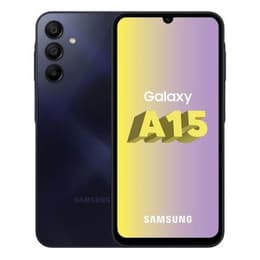
Galaxy A15 Vs iPhone 17e
- 1-year minimum warranty
- Free delivery on all orders
- Free 30-day returns
Differences at a glance
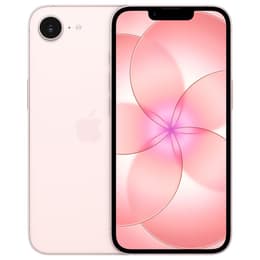
The Samsung Galaxy A15 (2023) and the Apple iPhone 17e (2026) represent two distinct approaches to everyday mobile computing. While the Galaxy A15 serves as an accessible Android option focused on essential daily functionality, the iPhone 17e provides a modern iOS experience backed by current-generation processing power and updated software capabilities. These devices cater to different user ecosystems and operational expectations while offering reliable performance for daily communication, browsing, and media consumption.
Available Models
Colour
Storage
Scores
Durability
When evaluating long-term usability, both devices offer structured software support lifecycles, though their release years and operating systems result in different timelines for future updates.
- Software Support Duration: The Galaxy A15 provides multi-year operating system upgrades typical of Samsung's regional maintenance schedule, while the iPhone 17e benefits from Apple's extended support window, ensuring prolonged access to security patches and system updates.
- Build Integrity and Maintenance: Both models feature solid everyday construction designed to handle standard daily wear, though user repair options vary between the Android and iOS ecosystems depending on accessible service channels.
- Expected Practical Lifespan: Users seeking extended hardware relevance over several years will find the newer internal architecture of the iPhone 17e maintains system responsiveness longer under shifting software demands.
Year of Release
2023
2026
OS
Android
iOS
Foldable
No
No
Performance
Daily operation and multitasking capabilities differ significantly between the two models, shaped by their underlying hardware configurations and storage capacities.
- App Loading and Multitasking: The iPhone 17e handles demanding applications, intensive gaming, and rapid task switching smoothly thanks to its high-performance internal processor, whereas the Galaxy A15 manages everyday messaging, web browsing, and casual apps reliably with occasional pauses during heavy multitasking.
- Storage Configurations: The iPhone 17e starts with generous baseline internal storage, while the Galaxy A15 offers expandable storage via a microSD card slot, allowing users to scale capacity physically according to their media libraries.
- Battery Behavior: Both devices manage daily energy efficiently, with large battery capacities capable of sustaining a full day of mixed usage under typical conditions, though intensive tasks drain power more rapidly on both platforms.
Screen quality
Display characteristics define the visual experience of each device, balancing panel technology, brightness, and motion smoothness for daily viewing.
- Display Technology: The Galaxy A15 features a vibrant Super AMOLED panel with deep contrast levels, while the iPhone 17e utilizes a sharp Super Retina XDR OLED display known for high color accuracy and fine detail rendering.
- Outdoor Visibility: Both screens provide sufficient peak brightness to maintain legibility under direct sunlight, ensuring clear text and media viewing during outdoor use.
- Refresh Rate and Dimensions: The Galaxy A15 incorporates a smooth 90Hz refresh rate for scrolling, while the iPhone 17e utilizes a standard 60Hz refresh rate within a compact 6.1-inch form factor suited for single-handed operation.
Resolution
1080 x 2340
2532 x 1170
Audiovisual
Photography and media recording capabilities vary across both models, catering to different content creation preferences and everyday documentation needs.
- Camera System Setup: The Galaxy A15 utilizes a versatile multi-lens rear array including an ultra-wide option, whereas the iPhone 17e relies on a single high-resolution main sensor that uses sensor cropping to deliver optical-quality zoom results.
- Video Recording: The iPhone 17e supports advanced high-resolution video capture modes including Dolby Vision, making it well-suited for detailed mobile videography, while the Galaxy A15 handles standard daily video recording tasks adequately.
- Audio and Media Output: Stereo speaker setups on both devices deliver clear sound for hands-free calls and casual video playback, complemented by multiple onboard microphones for balanced voice capture.
Front camera
13 megapixels
12 megapixels
Miscellaneous
Practical physical features and connectivity standards shape how each smartphone integrates into daily routines and travel environments.
- Connectivity and Ports: The Galaxy A15 includes a traditional 3.5mm headphone jack alongside modern wireless standards, while the iPhone 17e relies entirely on wireless audio and its proprietary charging port alongside modern 5G connectivity.
- Biometric Security: The Galaxy A15 provides a side-mounted fingerprint sensor for quick unlocking, whereas the iPhone 17e utilizes secure facial recognition technology.
- Physical Dimensions: Both smartphones maintain manageable weights and slim profiles that fit comfortably into pockets and bags, with durable outer casings designed for everyday handling. Factual considerations like these make quality-assured refurbished options an eco-friendly alternative for conscious buyers looking to minimize electronic waste.
Weight
200 g
169 g
Screen size (in)
6.5
6.1
Network
4G
5G
SIM card
Dual Physical SIM
eSIM
Carrier compatibility
Unlocked
Unlocked
What the community thinks
User community discussions on platforms like Reddit highlight distinct preferences for each device based on everyday usability and ecosystem integration. Owners of the Galaxy A15 frequently praise its reliable battery longevity, expandable storage flexibility, and clear display quality relative to its classification. Conversely, users often note that its processing speed can feel limited during heavy multitasking. Meanwhile, the iPhone 17e receives widespread praise for its rapid system responsiveness, high-resolution video capabilities, and long-term software support, though some users mention the absence of a higher refresh rate display as a drawback.
Users prioritizing expanded storage flexibility, a traditional headphone jack, and an accessible Android interface will find the Galaxy A15 well-suited to their daily routines. On the other hand, users prioritizing high-tier processing performance, advanced video recording features, and long-term iOS software updates will lean toward the iPhone 17e. Choosing between these two models ultimately depends on individual software ecosystem preferences and the specific balance of daily performance requirements. Exploring a quality-assured refurbished option provides an additional sustainable choice for acquiring either device while supporting eco-friendly purchasing habits.