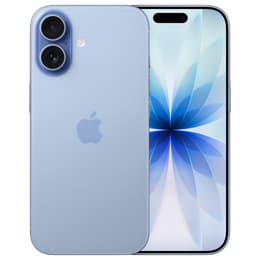


Compare models
Galaxy A14 Vs iPhone 17
- 1-year minimum warranty
- Free delivery on all orders
- Free 30-day returns
Differences at a glance
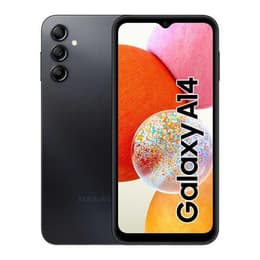
The Samsung Galaxy A14 (2023) and the Apple iPhone 17 (2025) represent two distinctly different approaches to the modern smartphone, bridging different market segments, operating systems, and release years. While the Galaxy A14 serves as an entry-level Android device tailored for fundamental connectivity, the iPhone 17 operates as a contemporary flagship running iOS with advanced processing capabilities and high-end materials. Choosing between them involves balancing core communication needs against advanced multimedia and system longevity.
Available Models
Colour
Storage
Scores
Durability
Both devices offer differing trajectories regarding software support cycles and physical durability based on their release timelines and hardware architecture.
- Software longevity: The iPhone 17 benefits from an extended multi-year update window backed by its recent release year, whereas the Galaxy A14 has a more limited remaining software support horizon.
- Build resilience: The iPhone 17 incorporates advanced front glass protection and robust water resistance ratings, while the Galaxy A14 relies on a standard plastic back and frame construction without official water resistance certification.
- Repair infrastructure: Both manufacturers provide structured repair pathways, though the widespread availability of modular components for mainstream flagship lines often simplifies long-term maintenance for the iPhone.
Year of Release
2023
2025
Compatible with latest Update
No
Yes
OS
Android
iOS
Foldable
No
No
Performance
System responsiveness and hardware capabilities vary significantly, dictating how each phone handles everyday multitasking, heavy applications, and power efficiency.
- Processing capability: The iPhone 17 handles demanding applications, high-end mobile gaming, and intensive multitasking smoothly thanks to its current-generation processor, while the Galaxy A14 is optimized for basic daily tasks like web browsing, messaging, and media streaming.
- Memory and storage: The iPhone 17 starts with generous baseline internal storage and high-speed memory configurations, whereas the Galaxy A14 offers smaller storage tiers complemented by expandable microSD card storage support.
- Battery behavior: Both devices manage daily power consumption effectively, though the larger battery capacity on the Galaxy A14 pairs with less demanding hardware to maintain consistent endurance for light users.
Screen quality
The viewing experience differs notably across display technologies, impacting clarity, color reproduction, and outdoor visibility.
- Display technology: The iPhone 17 features an advanced OLED screen with deep contrast levels and a high refresh rate for smooth visual transitions, while the Galaxy A14 utilizes a standard LCD panel with traditional refresh rates.
- Outdoor visibility: High peak brightness levels on the iPhone 17 ensure legibility under direct sunlight, whereas the Galaxy A14 requires manual shade adjustments in very bright outdoor environments.
- Resolution and clarity: Both models provide sharp text rendering and clear image presentation suitable for reading and video playback, despite utilizing different underlying panel technologies.
Resolution
1080 x 2408
2622x1206
Screen type
PLS LCD
Super Retina XDR
Audiovisual
Imaging hardware and media consumption tools reflect the distinct tiering and intended use cases of each device.
- Camera versatility: The iPhone 17 features high-resolution dual sensors capable of detailed wide and ultra-wide photography, alongside advanced computational processing for low-light conditions. The Galaxy A14 provides a functional multi-lens setup focused on standard daytime snapshots and basic macro framing.
- Video recording: The iPhone 17 delivers high-definition video capture with advanced stabilization and high-fidelity audio recording, whereas the Galaxy A14 supports standard resolution video suitable for casual sharing.
- Media output: Stereo speaker setups on the iPhone 17 offer immersive sound for media playback, while the Galaxy A14 relies on a single loudspeaker output supplemented by a traditional headphone jack.
Main camera
50 megapixels
48 megapixels
Front camera
13 megapixels
18 megapixels
Miscellaneous
Physical handling, connectivity standards, and daily convenience features shape the overall user interaction with each smartphone.
- Connectivity standards: The iPhone 17 supports advanced wireless protocols including high-speed Wi-Fi and modern cellular bands, while the Galaxy A14 provides standard 4G or entry-level 5G connectivity depending on the specific regional variant.
- Port architecture: The iPhone 17 utilizes a universal USB-C connector for charging and data transfer alongside wireless charging capabilities, whereas the Galaxy A14 relies strictly on wired USB-C charging without wireless power support.
- Ergonomics: The Galaxy A14 features a slightly bulkier plastic chassis that provides a secure grip, compared to the slimmer, denser metallic and glass profile of the iPhone 17.
Weight
201 g
177 g
Screen size (in)
6.6
6.3
Network
4G
5G
SIM card
Dual Physical SIM
eSIM
Carrier compatibility
Unlocked
Unlocked
Connector
USB-C + Jack 3.5mm
USB-C
What the community thinks
User feedback and community discussions highlight distinct patterns of satisfaction for each smartphone. Owners of the Galaxy A14 frequently praise its reliable battery longevity and expandable storage capacity, though some users note limitations in multitasking speed and screen brightness under bright sunlight. Conversely, users of the iPhone 17 highlight its fluid display responsiveness, robust camera output, and premium build quality, while noting the higher entry tier as a significant commitment. Choosing a quality-assured refurbished option through Back Market can also provide a sustainable choice for consumers looking to balance high-end features with eco-conscious purchasing habits.
Users prioritizing straightforward communication, expandable storage, and fundamental daily utility will find the Galaxy A14 well-suited to their needs. Meanwhile, users prioritizing advanced photography, rapid system responsiveness, and long-term software support will lean toward the iPhone 17. Evaluating personal daily workflows remains the most effective method for determining which device aligns with individual requirements.