
Galaxy A14 5G Vs Xiaomi Redmi Note 14 Pro

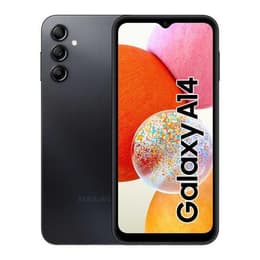
Galaxy A14 5G
Galaxy A14 5G
Starting at

Refurbished price:102.00

Versus €289.00 new

See options
Xiaomi Redmi Note 14 Pro
Starting at

Refurbished price:260.77

Versus €349.99 new

See options

Ratings

The Samsung Galaxy A14 5G, released in January 2023, and the Xiaomi Redmi Note 14 Pro, launched in September 2024, are both smartphones designed for everyday use. While the Galaxy A14 5G offers a reliable Android experience with a focus on essential features, the Redmi Note 14 Pro introduces more advanced display technology, enhanced camera capabilities, and a more robust build. Both devices operate on the Android platform, providing access to a wide ecosystem of applications and services.

Scores

Durability

When considering the longevity of these devices, several factors come into play, including their release timelines, software support, and physical durability.

  • Release Timeline and Software Support: The Samsung Galaxy A14 5G, released in January 2023, is expected to receive two major Android OS upgrades and four years of security updates, extending its support until around 2027 for security patches. The Xiaomi Redmi Note 14 Pro, being a newer device from September 2024, is anticipated to offer a longer period of software support, aligning with typical industry standards for newer releases.
  • Repairability: The Galaxy A14 5G has a notable repairability score of 8 out of 10, partly due to Samsung's use of an adhesive pull-tab for the battery, making replacements easier. Information regarding the specific repairability score for the Redmi Note 14 Pro is less detailed, though its construction with Gorilla Glass Victus 2 and IP68/IP69K ratings suggests a focus on initial durability.
  • Physical Durability: The Redmi Note 14 Pro features Corning Gorilla Glass Victus 2 for display protection and boasts an IP68/IP69K rating, indicating strong resistance to dust and water immersion, and even high-pressure water jets. The Galaxy A14 5G does not carry an official IP rating for water and dust resistance, meaning it is not designed to withstand immersion.

Year of Release

2023

2025

OS

Android

Android

Foldable

No

No

Performance

The performance of a smartphone is largely determined by its internal components, influencing how smoothly applications run and how efficiently it handles daily tasks.

  • Processor Capabilities: The Galaxy A14 5G is equipped with a processor that handles everyday tasks and general navigation smoothly. Users can expect satisfactory performance for common applications and light gaming. The Redmi Note 14 Pro features a more recent and capable processor, designed to offer enhanced performance for demanding applications, multitasking, and more intensive gaming experiences.
  • Memory and Storage: The Galaxy A14 5G typically comes with 4GB or 6GB of RAM and storage options of 64GB or 128GB, with expandable storage via a microSD card. The Redmi Note 14 Pro offers higher RAM configurations, including 8GB and 12GB, alongside larger internal storage options up to 512GB, which can contribute to smoother multitasking and more storage for applications and media.
  • Battery Behavior: Both devices feature a substantial 5000mAh battery capacity. The Galaxy A14 5G generally provides a full day of use for moderate users, with some reports indicating up to 8.5 hours of screen time. The Redmi Note 14 Pro has a slightly larger 5500mAh battery and is also expected to deliver extended usage times, supporting prolonged activity throughout the day.

Memory (GB)

4 GB

8 GB

Screen quality

The display is a primary interface for smartphone interaction, and its quality significantly impacts the user experience.

  • Display Technology and Resolution: The Samsung Galaxy A14 5G features a 6.6-inch PLS LCD display with a resolution of 1080x2408 pixels, providing clear visuals for general content consumption. The Xiaomi Redmi Note 14 Pro boasts a 6.67-inch AMOLED display with a 1.5K resolution (1220 x 2712 pixels), offering deeper blacks, higher contrast, and more vibrant colors.
  • Refresh Rate and Brightness: The Galaxy A14 5G has a 90Hz refresh rate, contributing to smoother scrolling and a more fluid visual experience compared to standard 60Hz displays. Its brightness levels are suitable for indoor use but can be challenging in bright outdoor conditions. The Redmi Note 14 Pro features a 120Hz refresh rate for even smoother visuals and a significantly higher peak brightness of up to 3000 nits, ensuring excellent visibility even in direct sunlight.
  • Screen Size and Viewing Experience: Both phones offer large screen sizes, with the Galaxy A14 5G at 6.6 inches and the Redmi Note 14 Pro at 6.67 inches. The Redmi Note 14 Pro's AMOLED panel and higher resolution provide a more immersive and detailed viewing experience, particularly for multimedia content.

Resolution

1080 x 2408

1080x2400

Audiovisual

Camera performance is a key consideration for many users, influencing the quality of photos and videos captured in various conditions.

  • Rear Camera System: The Galaxy A14 5G includes a triple camera setup with a 50-megapixel main sensor, accompanied by 2-megapixel macro and depth sensors. This system performs well in good lighting conditions, producing detailed and vibrant images. The Redmi Note 14 Pro features a more advanced camera system, with some variants offering a 200-megapixel main sensor, an 8-megapixel ultrawide, and a 2-megapixel macro lens, designed for higher detail capture and more versatile shooting options.
  • Low-Light and Video Quality: The Galaxy A14 5G's camera performance can be limited in low-light environments, and video recording is capped at 1080p at 30 frames per second. The Redmi Note 14 Pro's larger main sensor and potentially more advanced image processing are expected to deliver improved low-light performance and higher quality video recording capabilities.
  • Front Camera and Audio: The Galaxy A14 5G has a 13-megapixel front-facing camera capable of 1080p video recording. It features a single loudspeaker, which can be loud but may not offer rich audio quality. The Redmi Note 14 Pro comes with a 20-megapixel front camera and includes stereo speakers with Dolby Atmos support, aiming for a more immersive audio experience.

Front camera

13 megapixels

32 MP

Miscellaneous

Beyond core features, various practical elements contribute to the overall usability and convenience of a smartphone.

  • Connectivity and Ports: Both devices support 5G connectivity, ensuring fast mobile data speeds. The Galaxy A14 5G includes a 3.5mm headphone jack and a USB-C port, along with NFC for mobile payments. The Redmi Note 14 Pro also features a USB-C port, dual SIM support, and a 3.5mm headphone jack, along with Wi-Fi 6 and Bluetooth 5.3.
  • Sensors and Security: The Galaxy A14 5G offers a side-mounted fingerprint sensor for secure unlocking. The Redmi Note 14 Pro provides an in-screen fingerprint sensor and AI face unlock for biometric security, along with an IR blaster for controlling home electronics.
  • Design and Build: The Galaxy A14 5G has a plastic body with a textured finish, weighing 202g. The Redmi Note 14 Pro features a more refined design with options for glass or vegan leather finishes, and a lighter weight of 190g, along with its robust IP68/IP69K ratings.

Weight

201 g

180 g

Screen size (in)

6.6

6.67

Network

5G

4G

SIM card

Dual Physical SIM

Dual Physical SIM

Carrier compatibility

Unlocked

Unlocked

The Samsung Galaxy A14 5G and the Xiaomi Redmi Note 14 Pro cater to different user priorities, reflecting their respective release timelines and feature sets.

Users often praise the Galaxy A14 5G for its dependable battery life, consistent software updates for its segment, and the inclusion of essential features like NFC and a headphone jack. Some common criticisms include its LCD display's outdoor visibility and the camera's performance in low-light conditions. It is generally seen as a solid option for those seeking a functional and reliable device for everyday communication and basic tasks.

The Redmi Note 14 Pro, being a more recent release, garners attention for its advanced AMOLED display with a high refresh rate and brightness, its more powerful processor, and its enhanced camera system. Its robust build with Gorilla Glass Victus 2 and high IP ratings are also significant advantages for users prioritizing durability. Potential considerations might include the availability of long-term software support compared to established brands, though its newer release date suggests a longer initial support window.

Users prioritizing a vibrant, high-refresh-rate display, superior camera capabilities, and a more premium, durable build may find the Xiaomi Redmi Note 14 Pro well-suited to their needs. Conversely, individuals who value a proven track record of software support, good repairability, and a reliable experience for essential smartphone functions might lean towards the Samsung Galaxy A14 5G. Both devices are available as quality-assured refurbished options, offering an eco-friendly alternative for consumers.


See all articles

Our recent comparisons