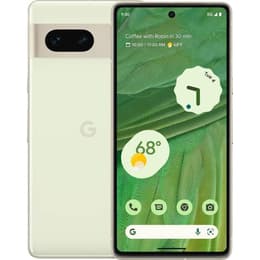


Galaxy S21 Ultra 5G Vs Google Pixel 7

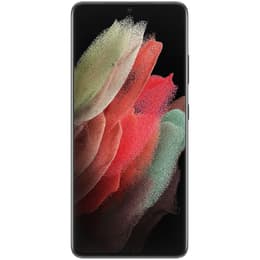
Galaxy S21 Ultra 5G
Galaxy S21 Ultra 5G
Starting at

Refurbished price:228.00

Versus €1,297.00 new

See options
Google Pixel 7
Google Pixel 7
Starting at

Refurbished price:160.00

Versus €756.00 new

See options

Ratings

The Samsung Galaxy S21 Ultra 5G, released in January 2021, and the Google Pixel 7, launched in October 2022, represent distinct approaches to the premium smartphone experience. While both devices offer robust performance and advanced camera capabilities, they differ significantly in their design philosophy, display characteristics, and camera hardware. The Galaxy S21 Ultra emphasizes a highly versatile camera system with extensive zoom, while the Pixel 7 focuses on computational photography and a streamlined user experience.

Scores

Durability

The release timeline and software support are key considerations for the practical lifespan of these devices. The Google Pixel 7, being a newer device, generally offers a longer period of software updates compared to the Galaxy S21 Ultra 5G.

  • Software Longevity: The Google Pixel 7 shipped with Android 13 and is expected to receive major Android OS updates for three years, with security updates extending for five years from its release, through October 2027. The Galaxy S21 Ultra 5G, launched with Android 11, has received updates up to Android 14, which is likely its final major OS upgrade, though security updates may continue for a period.
  • Repairability: The Google Pixel 7 has a repairability score of 6 out of 10, indicating it is relatively repairable, though battery removal can be challenging due to strong adhesive and the USB-C port is soldered to the motherboard. In contrast, the Samsung Galaxy S21 Ultra 5G received a lower repairability score of 3 out of 10, largely due to extensive use of strong adhesive for the battery, display, and rear panel, making disassembly difficult.
  • Expected Lifespan: Users prioritizing the longest possible software support and security updates will find the Pixel 7 more aligned with their needs due to its later release and Google's update policy. The S21 Ultra, while still a capable device, is nearing the end of its major OS update cycle.

Year of Release

2021

2022

Compatible with latest Update

Yes

Yes

OS

Android

Android

Foldable

No

No

Performance

Both smartphones deliver strong performance for daily tasks and demanding applications, though they achieve this through different hardware configurations. The real-world impact on user experience is a primary differentiator.

  • Processing Power: The Google Pixel 7 is powered by a current-generation processor designed by Google, which provides a smooth and responsive experience, particularly for AI-driven tasks and image processing. The Galaxy S21 Ultra 5G features a powerful processor from its release year, capable of handling intensive applications and multitasking effectively.
  • Multitasking and Responsiveness: The Galaxy S21 Ultra 5G was available with up to 16GB of RAM, offering substantial capacity for extensive multitasking and keeping many applications open simultaneously without slowdowns. The Pixel 7 comes with 8GB of RAM, which is sufficient for smooth operation and efficient app switching for most users.
  • Battery Behavior: The Galaxy S21 Ultra 5G is equipped with a 5000 mAh battery, which for some heavy users, may require more frequent charging to last a full day. The Google Pixel 7 has a 4355 mAh battery, and user reports generally indicate it can comfortably last a full day with medium to heavy usage.

Memory (GB)

12 GB

8 GB

Screen quality

The display is a central component of the smartphone experience, and both devices offer high-quality visuals, albeit with some notable differences in size, resolution, and refresh rate capabilities.

  • Display Technology and Clarity: The Samsung Galaxy S21 Ultra 5G features a larger 6.8-inch Dynamic AMOLED 2X display with a high resolution of 3200 x 1440 pixels, resulting in a pixel density of 515 PPI. This provides exceptionally sharp and detailed visuals. The Google Pixel 7 has a 6.3-inch AMOLED display with a resolution of 2400 x 1080 pixels, offering clear and vibrant images suitable for everyday viewing.
  • Smoothness and Brightness: The S21 Ultra 5G boasts an adaptive refresh rate of up to 120Hz, providing very fluid scrolling and animations, and supports HDR10+. The Pixel 7 offers a 90Hz refresh rate, which delivers a noticeably smoother experience than standard 60Hz displays, and also supports HDR10+. Both displays offer ample brightness for comfortable outdoor viewing.
  • Viewing Experience: Users who prefer a larger screen for media consumption, gaming, or productivity tasks may find the S21 Ultra's expansive, higher-resolution display more immersive. The Pixel 7's slightly smaller screen makes it more manageable for one-handed use while still providing a good viewing area.

Resolution

1440 x 3200

1080 x 2400

Screen type

Dynamic AMOLED 2X

AMOLED

Audiovisual

Both smartphones are recognized for their strong camera performance, but they achieve their results through different hardware and software philosophies, catering to varying photographic needs.

  • Camera System Versatility: The Samsung Galaxy S21 Ultra 5G features a quad-camera setup, including a 108MP main sensor, a 12MP ultrawide, and two 10MP telephoto lenses (3x and 10x optical zoom), offering exceptional versatility, particularly for zooming. The Google Pixel 7 employs a dual-camera system with a 50MP main sensor and a 12MP ultrawide lens, relying heavily on advanced computational photography for image quality.
  • Photography Performance: The S21 Ultra 5G excels with its optical zoom capabilities, allowing for detailed distant shots. Its 108MP main sensor captures rich detail. The Pixel 7 is highly praised for its consistent image quality, particularly in low-light conditions and for natural-looking portraits, thanks to its sophisticated image processing.
  • Video Capabilities: The Galaxy S21 Ultra 5G supports 8K video recording at 24 frames per second and 4K at 30/60 frames per second. The Pixel 7 records video at up to 4K resolution at 60 frames per second, with strong stabilization and dynamic range. Both offer capable front-facing cameras for selfies and video calls.

Main camera

108 megapixels

50 megapixels

Front camera

40 megapixels

10.8 megapixels

Miscellaneous

Beyond core performance and camera, several practical elements contribute to the overall user experience, including connectivity, physical design, and additional features.

  • Connectivity and Ports: Both devices support 5G connectivity for fast mobile data. The Galaxy S21 Ultra 5G features Wi-Fi 6E and Bluetooth 5.2, while the Pixel 7 supports Wi-Fi 6 and Bluetooth. Both utilize a USB-C port for charging and data transfer, but neither includes a traditional 3.5mm headphone jack.
  • Biometric Security and Build: Both phones incorporate an under-display fingerprint sensor for secure unlocking. The Galaxy S21 Ultra 5G also supports S-Pen input, which is sold separately. Both devices feature an IP68 rating for dust and water resistance and are constructed with durable Gorilla Glass Victus on the front and back, framed by aluminum.
  • Physical Characteristics: The Galaxy S21 Ultra 5G is a larger and heavier device, measuring 165.1 x 75.6 x 8.9 mm and weighing 227g, which contributes to its expansive screen but can make one-handed use more challenging. The Pixel 7 is more compact and lighter at 155.6 x 73.2 x 8.7 mm and 197g, offering a more ergonomic feel for many users.

Weight

227 g

197 g

Screen size (in)

6.8

6.3

Network

5G

5G

SIM card

Physical SIM + eSIM

Physical SIM + eSIM

Carrier compatibility

Unlocked

Unlocked

User feedback often highlights the Samsung Galaxy S21 Ultra 5G's impressive and versatile camera system, particularly its zoom capabilities, and its large, high-resolution display. Some users have noted that its battery life can be a concern for heavy usage and its repairability is challenging. The Google Pixel 7 is frequently praised for its exceptional computational photography, consistent image quality, and a smooth, user-friendly software experience. Common criticisms sometimes point to its lack of a dedicated telephoto lens and a 90Hz refresh rate that, while good, isn't as fluid as some higher-end displays.

Users prioritizing a highly versatile camera with extensive optical zoom and a large, high-resolution display for media consumption may find the Galaxy S21 Ultra 5G well-suited to their needs. Those who value a more compact device, a longer period of software updates, and a camera that excels with computational photography and low-light performance will likely lean towards the Google Pixel 7. Both devices offer a premium Android experience, and choosing between them often comes down to these specific preferences. For those considering either model, exploring a quality-assured refurbished option can be an eco-friendly alternative.


See all articles

Our recent comparisons