

Galaxy A13 Vs iPhone 11

Galaxy A13
Galaxy A13
Starting at

Refurbished price:97.00

Versus €249.00 new

See options
iPhone 11
iPhone 11
Starting at

Refurbished price:149.00

Versus €589.00 new

See options

Ratings

The Samsung Galaxy A13 and the iPhone 11 are two distinct smartphones from different ecosystems, released in March 2022 and September 2019, respectively. While the Galaxy A13 operates on Android with Samsung's One UI, the iPhone 11 runs on Apple's iOS. These devices cater to different user preferences, primarily differing in their operating system experience and hardware focus.

Scores

Durability

The practical lifespan of a smartphone is often determined by its software support and physical durability. Both devices offer a reasonable period of usability, though their update cycles and repairability differ.

  • Software Support: The iPhone 11, released in 2019, is expected to receive major iOS updates until the fall of 2026, with security updates continuing for an additional one to two years. The Galaxy A13, launched in 2022, has received two major Android OS updates and will continue to receive security updates for its support lifecycle, but is not eligible for Android 15/One UI 7.0.
  • Repairability: The iPhone 11 has an iFixit repairability score of 6 out of 10, with critical display and battery repairs being prioritized in its design. The Galaxy A13 (LTE model) boasts a higher repairability index of 8 out of 10, indicating a design that facilitates easier repairs and part availability.
  • Physical Durability: The iPhone 11 features an aerospace-grade aluminum frame and durable glass, along with an IP68 rating for water and dust resistance, allowing submersion up to 2 meters for 30 minutes. The Galaxy A13's screen is protected by Corning Gorilla Glass 5, and the device has a glossy plastic unibody construction.

Year of Release

2022

2019

Compatible with latest Update

No

Yes

OS

Android

iOS

Foldable

No

No

Performance

Performance in smartphones is crucial for daily tasks, from browsing to running demanding applications. Both devices offer capabilities suited to their respective segments, with differences in raw processing power and multitasking efficiency.

  • Processing Power: The iPhone 11 is powered by a processor that ensures smooth multitasking and gaming experiences, handling everyday apps and demanding games with ease. The Galaxy A13 features an octa-core processor, which users report as generally suitable for its segment, though some note occasional sluggishness, particularly with graphics-intensive tasks.
  • Multitasking and Responsiveness: The iPhone 11, with its system architecture, provides a highly responsive user experience, allowing quick app switching and fluid navigation. The Galaxy A13 offers a functional experience for typical smartphone usage, though its performance may not be as consistently smooth when handling numerous applications simultaneously.
  • Storage and Memory: The iPhone 11 comes with 4GB of RAM and storage options up to 256GB, without expandable storage. The Galaxy A13 offers various RAM configurations (3GB, 4GB, 6GB) and internal storage up to 128GB, with the added flexibility of expandable storage via a microSD card.
  • Battery Behavior: The iPhone 11 typically provides all-day battery life for most users. The Galaxy A13 is equipped with a larger battery capacity, often allowing for up to two days of usage on a single charge for many users.

Memory (GB)

4 GB

4 GB

Screen quality

The display is a primary interface for smartphone interaction, and both the Galaxy A13 and iPhone 11 present different visual experiences based on their underlying technology and specifications.

  • Display Technology and Clarity: The iPhone 11 features a 6.1-inch Liquid Retina HD display, which is an IPS LCD panel, offering good color accuracy and wide viewing angles. The Galaxy A13 has a larger 6.6-inch PLS TFT LCD display with a higher resolution, providing sharp visuals for media consumption.
  • Brightness and Outdoor Visibility: The iPhone 11's display can reach a typical maximum brightness of 625 nits, contributing to decent visibility in various lighting conditions. The Galaxy A13 offers a respectable brightness of around 500 nits with its manual slider, which is suitable for its class.
  • Refresh Rate and Smoothness: Both devices feature a standard 60Hz refresh rate, meaning content scrolls and animates at a consistent pace. The iPhone 11, however, incorporates a 120Hz touch-sensing rate, which can contribute to a more responsive feel during touch interactions.

Resolution

1080 x 2408

828 x 1792

Screen type

PLS LCD

Liquid Retina IPS LCD

Audiovisual

Camera capabilities are a significant factor for many users, and both smartphones offer distinct photographic and videographic experiences, reflecting their design philosophies.

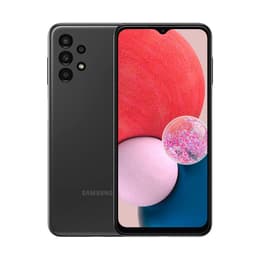
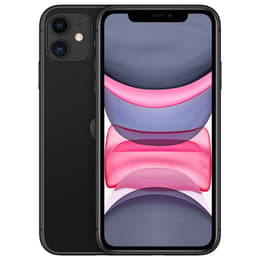
  • Rear Camera System: The iPhone 11 features a dual 12MP camera system, comprising a wide and an ultra-wide lens, known for producing sharp, colorful photos in good lighting and offering a capable Night mode for low-light conditions. The Galaxy A13 comes with a quad-camera setup, including a 50MP primary sensor, a 5MP ultrawide, and two 2MP sensors for macro and depth. Its primary camera performs well in adequate light, but the additional sensors and low-light performance are less consistent.
  • Video Recording: The iPhone 11 is capable of recording 4K video at up to 60 frames per second, providing detailed and stable footage. The Galaxy A13 records video at up to 1080p resolution at 30 frames per second, and some reviews note a lack of video stabilization.
  • Front Camera and Audio: The iPhone 11 includes a 12MP front camera. The Galaxy A13 features an 8MP front camera. Both devices offer standard microphone quality for calls and recording, and their speaker outputs are suitable for media consumption.

Main camera

50 megapixels

12 megapixels

Front camera

8 megapixels

12 megapixels

Miscellaneous

Beyond core features, several practical elements contribute to the overall user experience, including connectivity, physical design, and additional functionalities.

  • Connectivity and Ports: The iPhone 11 supports 4G LTE, Wi-Fi, and Bluetooth, utilizing Apple's proprietary Lightning connector for charging and data transfer. The Galaxy A13 supports 4G LTE (with some variants offering 5G) and standard Wi-Fi and Bluetooth, featuring a more universal USB Type-C 2.0 port.
  • Biometric Security: The iPhone 11 relies on Face ID for secure facial recognition. The Galaxy A13 incorporates a side-mounted fingerprint sensor for biometric authentication.
  • Design and Handling: The iPhone 11 has dimensions of 150.9 x 75.7 x 8.3 mm and weighs 194g, featuring an aluminum frame and glass back. The Galaxy A13 measures 165.10 x 76.40 x 8.80 mm and weighs 195g, with a glossy plastic unibody construction.

Weight

195 g

194 g

Screen size (in)

6.6

6.1

Network

4G

4G

SIM card

Dual Physical SIM

Physical SIM + eSIM

Carrier compatibility

Unlocked

Unlocked

User sentiment for the iPhone 11 often highlights its robust performance, reliable camera system with features like Night mode, and consistent software experience as strong points, even years after its release. Common criticisms sometimes point to its LCD display not being as vibrant as OLED panels found in newer devices, and the absence of 5G connectivity. For the Samsung Galaxy A13, users frequently praise its extended battery life and the inclusion of expandable storage. However, some users express concerns about its overall performance, particularly in demanding tasks, and the quality of its secondary camera lenses.

Users prioritizing a consistently smooth operating system, strong video recording capabilities, and a durable build with water resistance may find the iPhone 11 well-suited to their needs. Those who value a larger display, extensive battery life, expandable storage, and a more recent software update cycle (from its release date) might lean towards the Galaxy A13. Both devices offer distinct advantages, and choosing between them depends on individual priorities for daily usage. Exploring quality-assured refurbished options for either model can provide an eco-friendly alternative for consumers.


See all articles

Our recent comparisons