
Samsung

Compare models
Differences at a glance
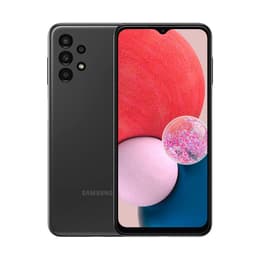
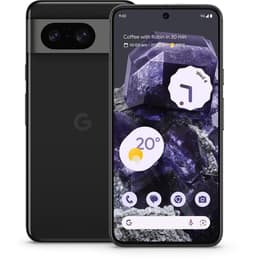
The Samsung Galaxy A13 and the Google Pixel 8A are both smartphones designed for everyday use, though they cater to different priorities. The Galaxy A13, released in March 2022, focuses on core smartphone functionalities with a large display and substantial battery capacity. In contrast, the Google Pixel 8A, launched in May 2024, emphasizes advanced camera capabilities, a smoother display, and extended software support, powered by Google's custom silicon. Both devices operate on the Android platform, offering a wide range of applications and services.
Colour
Storage
When considering the long-term usability of these devices, their release timelines and software support policies are key factors.
Year of Release
Compatible with latest Update
OS
Foldable
The performance of a smartphone dictates how smoothly applications run and how efficiently it handles daily tasks.
The display is a primary interface for smartphone interaction, influencing everything from media consumption to daily navigation.
Resolution
Screen type
Camera capabilities are a significant consideration for many smartphone users, impacting the quality of photos and videos captured.
Main camera
Front camera
Beyond core features, several practical elements contribute to the overall user experience and device utility.
Weight
Screen size (in)
Network
SIM card
Carrier compatibility
The Samsung Galaxy A13 and Google Pixel 8A cater to different user needs and expectations within the smartphone market. The Galaxy A13 is often praised for its robust battery life, which reliably lasts through a full day of use, and its large display, offering ample screen space for general tasks. Users appreciate its expandable storage option, providing flexibility for those who need more space for media and files. However, common criticisms point to its performance, which can feel sluggish during multitasking or demanding applications, and its camera's limitations in low-light conditions. The display's 60Hz refresh rate and ghosting issues are also frequently noted by users.
The Google Pixel 8A, on the other hand, receives significant acclaim for its exceptional camera performance, particularly its ability to capture high-quality photos and videos in various lighting scenarios, often enhanced by its integrated AI features. Its extended software support, promising seven years of updates, is a major draw for users seeking long-term device longevity and security. The smooth 120Hz OLED display and responsive performance are also frequently highlighted as strong advantages. Some users, however, note that while its battery life is good for a full day, it might not be as enduring as some larger-battery competitors, and its design, while refined, still features noticeable bezels.
Users prioritizing a device with a long-lasting battery, a larger screen for media consumption, and expandable storage for a more budget-conscious approach may find the Samsung Galaxy A13 well-suited to their needs. Conversely, individuals who value cutting-edge camera capabilities, a consistently smooth user experience, and a commitment to extended software updates will likely lean towards the Google Pixel 8A. Both devices offer a quality-assured refurbished option, providing an eco-friendly alternative for consumers looking to make informed and sustainable choices.