

Galaxy S20+ 5G Vs iPhone 15 Pro

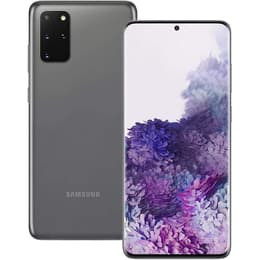
Galaxy S20+ 5G
Galaxy S20+ 5G
Starting at

Refurbished price:191.00

Versus €590.00 new

See options
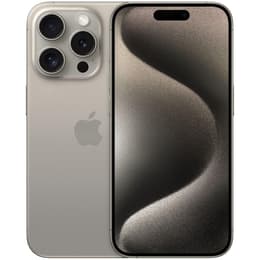
iPhone 15 Pro
iPhone 15 Pro
Starting at

Refurbished price:510.00

Versus €1,165.38 new

See options

Ratings

The Samsung Galaxy S20 Plus 5G, released in March 2020, and the Apple iPhone 15 Pro, launched in September 2023, represent different generations and operating systems in the smartphone market. While both are premium devices, the iPhone 15 Pro offers a more recent hardware and software experience, whereas the Galaxy S20 Plus 5G, though older, still provides a robust Android platform. The primary differentiators lie in their respective ecosystems, processing power, and camera capabilities, reflecting the technological advancements over their release periods.

Scores

Durability

The longevity of a smartphone is influenced by its release date, software support, and physical durability. These two devices, separated by over three years, offer different expectations in terms of their practical lifespan.

  • Software Support: The Galaxy S20 Plus 5G launched with Android 10 and received major OS updates up to Android 13. Samsung officially ended software update support for the S20 series in April 2025, though some security patches might still be released occasionally. The iPhone 15 Pro, launched with iOS 17, is expected to receive major iOS updates for at least five years from its release, potentially extending to six or seven years for security updates. This means the iPhone 15 Pro will continue to receive new features and security enhancements for a significantly longer period.
  • Physical Durability: The Galaxy S20 Plus 5G features Gorilla Glass 6 on both the front and back, along with an aluminum frame, and is IP68 dust and water resistant. The iPhone 15 Pro utilizes a titanium frame, Ceramic Shield front cover, and a textured matte glass back, also with an IP68 rating for dust and water resistance. The titanium construction of the iPhone 15 Pro contributes to a strong yet lightweight design.
  • Expected Lifespan: Given the current date (March 2026), the Galaxy S20 Plus 5G has reached the end of its official software update cycle, which may impact its long-term usability for those who prioritize the latest features and security. The iPhone 15 Pro, being a much newer device, is still early in its support cycle, offering several more years of guaranteed software and security updates, contributing to a longer practical lifespan.

Year of Release

2020

2023

Compatible with latest Update

No

Yes

OS

Android

iOS

Foldable

No

No

Performance

Performance is a key aspect for any smartphone, impacting everything from app responsiveness to gaming. These two devices, while both capable, offer different levels of processing power and memory configurations.

  • Processing Power: The Galaxy S20 Plus 5G is powered by a processor that was top-tier at its release, enabling smooth operation for everyday tasks and demanding applications from 2020. The iPhone 15 Pro features a significantly newer and more advanced processor, providing substantial improvements in speed and efficiency for current and future applications, including graphically intensive games and complex video editing.
  • Multitasking and Responsiveness: The Galaxy S20 Plus 5G typically comes with 12GB of RAM, which allows for robust multitasking. The iPhone 15 Pro is equipped with 8GB of RAM. Despite the difference in raw RAM numbers, the iPhone's optimized software and hardware integration ensure smooth multitasking and app switching. Users of both devices generally report a responsive experience, though the iPhone 15 Pro offers a noticeable edge in raw processing speed and efficiency for the most demanding tasks.
  • Storage Options: Both devices offer various internal storage configurations. The Galaxy S20 Plus 5G was available with 128GB, 256GB, or 512GB of internal storage, with the added flexibility of expandable storage via a microSD card. The iPhone 15 Pro comes in 128GB, 256GB, 512GB, and 1TB options, but does not support expandable storage.

Memory (GB)

8 GB

8 GB

Screen quality

The display is the primary interface for smartphone interaction, and both devices offer high-quality viewing experiences, though with differences in technology and specifications.

  • Display Technology and Resolution: The Galaxy S20 Plus 5G features a 6.7-inch Dynamic AMOLED 2X display with a resolution of 3200 x 1440 pixels, offering vibrant colors and deep blacks. The iPhone 15 Pro has a 6.1-inch Super Retina XDR OLED display with a resolution of 2556 x 1179 pixels, also known for its color accuracy and contrast.
  • Refresh Rate and Brightness: The Galaxy S20 Plus 5G supports a 120Hz refresh rate at FHD+ resolution, providing smoother scrolling and animations, while the iPhone 15 Pro features ProMotion technology, offering an adaptive refresh rate from 1Hz to 120Hz. The iPhone 15 Pro can reach a peak brightness of up to 2000 nits, making it highly visible in bright outdoor conditions, while the Galaxy S20 Plus 5G offers a peak brightness around 1200 nits.
  • Viewing Experience: The larger screen of the Galaxy S20 Plus 5G provides a more expansive viewing area for media consumption and multitasking. The iPhone 15 Pro's display, while smaller, benefits from higher peak brightness and the adaptive refresh rate, which can contribute to a more fluid and comfortable viewing experience across various content types.

Resolution

1440 x 3200

1179 x 2556

Screen type

Dynamic AMOLED 2X

LTPO Super Retina XDR OLED

Audiovisual

Camera capabilities are a significant factor for many users, and both the Galaxy S20 Plus 5G and iPhone 15 Pro offer advanced photographic and videographic features, reflecting their respective manufacturers' approaches to mobile imaging.

  • Rear Camera System: The Galaxy S20 Plus 5G features a versatile quad-camera setup including a 12 MP wide lens, a 64 MP telephoto lens with 3x hybrid optical zoom, a 12 MP ultrawide lens, and a DepthVision camera. The iPhone 15 Pro boasts a triple-camera system with a 48 MP main sensor, a 12 MP telephoto lens with 3x optical zoom, and a 12 MP ultrawide lens, complemented by a LiDAR scanner.
  • Photography and Video Quality: The Galaxy S20 Plus 5G is capable of recording video up to 8K resolution at 24fps, and its 64MP telephoto lens allows for detailed zoomed-in shots. The iPhone 15 Pro excels in low-light photography and offers advanced video features like ProRes recording and cinematic mode, providing professional-grade video capabilities. Users often praise the iPhone 15 Pro's consistent image processing and video stabilization.
  • Front Camera and Audio: Both devices feature capable front-facing cameras for selfies and video calls. The Galaxy S20 Plus 5G has a 10 MP front camera, while the iPhone 15 Pro has a 12 MP front camera with autofocus. For audio, both offer stereo speakers, and the iPhone 15 Pro's microphone quality is generally considered excellent for calls and recordings.

Main camera

12 megapixels

48 megapixels

Front camera

10 megapixels

12 megapixels

Miscellaneous

Beyond core performance and display, several practical elements contribute to the overall user experience, including connectivity, physical design, and security features.

  • Connectivity and Ports: Both devices support 5G connectivity, Wi-Fi, and Bluetooth for wireless communication. The Galaxy S20 Plus 5G supports Wi-Fi 6 and Bluetooth 5.0, featuring a USB-C port for charging and data transfer. The iPhone 15 Pro upgrades to Wi-Fi 6E and Bluetooth 5.3, and notably transitions to a USB-C port with faster data transfer speeds compared to previous iPhone models. Neither device includes a traditional 3.5mm headphone jack.
  • Physical Design and Handling: The Galaxy S20 Plus 5G measures 161.9 x 73.7 x 7.8 mm and weighs 186g, offering a larger form factor. The iPhone 15 Pro is more compact at 146.6 x 70.6 x 8.25 mm and weighs 187g, making it slightly thicker but similar in weight despite its smaller size. The iPhone 15 Pro's titanium frame contributes to its lightweight feel.
  • Security and Sensors: The Galaxy S20 Plus 5G features an in-display ultrasonic fingerprint sensor and face recognition for biometric security. The iPhone 15 Pro relies on Face ID for secure facial recognition and includes a LiDAR scanner for enhanced depth sensing in augmented reality applications and improved low-light focusing.

Weight

188 g

171 g

Screen size (in)

6.7

6.1

Network

5G

5G

SIM card

Physical SIM + eSIM

eSIM

Carrier compatibility

Unlocked

Unlocked

Connector

USB-C

USB-C (USB 3)

The Samsung Galaxy S20 Plus 5G and the iPhone 15 Pro cater to different user needs and preferences, largely due to their generational gap and operating system differences. Users often praise the Galaxy S20 Plus 5G for its expansive display, versatile camera system, and the flexibility of expandable storage. However, common criticisms include its battery life, especially when utilizing the 120Hz refresh rate, and the cessation of major software updates.

The iPhone 15 Pro receives acclaim for its powerful performance, exceptional camera capabilities, premium build quality with a titanium frame, and long-term software support. Some users have noted that while the battery life is generally good, heavy usage might require more frequent charging, and the transition to iOS from Android can present a learning curve for some.

Users prioritizing a larger screen, expandable storage, and a feature-rich Android experience might find the Galaxy S20 Plus 5G suitable, especially if they are comfortable with an older software version. Conversely, those who value cutting-edge performance, a highly refined camera system, a compact design, and extended software longevity will likely prefer the iPhone 15 Pro. For individuals seeking a sustainable choice, both models are available as quality-assured refurbished options, offering an eco-friendly alternative to purchasing new devices.


See all articles

Our recent comparisons