

Dell Latitude 7390 13" Vs Microsoft Surface Pro 6 12"

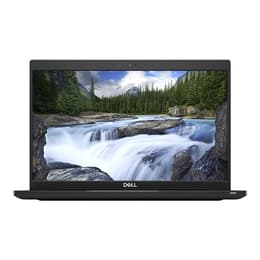
Dell Latitude 7390 13"
Starting at

Refurbished price:395.00

Versus €733.00 new

See options
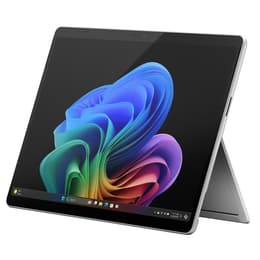
Microsoft Surface Pro 6 12"
Starting at

Refurbished price:424.00

Versus €899.00 new

See options

The Dell Latitude 7390 13 and the Microsoft Surface Pro 6 12 are computing devices released in 2018, offering distinct form factors and user experiences. The Latitude 7390 is a traditional clamshell laptop, while the Surface Pro 6 functions as a versatile 2-in-1 detachable tablet. Both devices operate on the Windows ecosystem, providing a familiar software environment, but cater to different preferences regarding portability and interaction methods.

Scores

Durability

When considering the longevity of these devices, both were released in 2018, meaning they share a similar starting point for software support and expected lifespan.

  • Operating System Support: Both the Dell Latitude 7390 and the Microsoft Surface Pro 6 are compatible with Windows 11, ensuring access to current software features and security updates. This commonality means users can expect continued software support for a comparable duration from their release year.
  • Build and Durability: The Dell Latitude 7390 is designed as a business-grade laptop, featuring MIL-STD 810G certification for resistance against environmental extremes, shock, and vibration. The Surface Pro 6, with its aluminum unibody case and sturdy kickstand, offers a robust build for a tablet-first device.
  • Practical Lifespan: Users can anticipate several years of practical use from either device, especially when considering their initial build quality and ongoing software compatibility. The choice between them may depend on whether a traditional laptop's integrated design or a 2-in-1's adaptable form factor better suits long-term usage needs.

Year of Release

2017

2017

Last Os Compatibility

Yes

Yes

OS

Windows 11

Windows 11

Performance

Both devices are equipped with 8th-generation Intel Core processors, providing capable performance for everyday computing tasks, though their form factors influence how this power is utilized.

  • Processing Power: The Dell Latitude 7390 and the Microsoft Surface Pro 6 both feature 8th-generation Intel Core i5 or i7 processors, enabling smooth handling of demanding applications and multitasking. This allows for efficient operation across various productivity and creative software.
  • Memory and Storage: Both models offer configurations with 8GB or 16GB of RAM, which is sufficient for most multitasking scenarios. Storage options typically range from 128GB to 1TB SSDs, contributing to fast boot times and quick application loading.
  • Battery Behavior: The Dell Latitude 7390 generally provides a battery life of around 9 to 12 hours for typical web browsing, and up to 12 hours for video playback. The Surface Pro 6 offers approximately 9 hours and 20 minutes for web surfing and up to 13.5 hours for local video playback.

Memory (GB)

8 GB

8 GB

Processor

Core i7 - Gen 8 (U)

Core i5 - Gen 8 (U)

Graphic card

Integrated Graphics

Integrated Graphics

Screen quality

The display experience differs between these two devices, primarily due to their aspect ratios and resolutions, catering to different viewing preferences.

  • Display Technology and Resolution: The Dell Latitude 7390 features a 13.3-inch Full HD (1920 x 1080) IPS display with a 16:9 aspect ratio, often with a matte finish to reduce glare. The Microsoft Surface Pro 6 offers a 12.3-inch PixelSense display with a higher resolution of 2736 x 1824 pixels and a 3:2 aspect ratio, which provides more vertical screen real estate.
  • Brightness and Color: The Latitude 7390 typically achieves brightness levels around 286-307 nits and covers a wide sRGB color gamut, providing vibrant images. The Surface Pro 6 boasts a brighter display, often reaching around 408 nits, with excellent color reproduction and contrast, making it suitable for creative tasks.
  • Touch and Interaction: Both devices offer touch screen functionality. The Surface Pro 6's display is optimized for pen input, supporting up to 4,096 levels of pressure sensitivity with the optional Surface Pen, enhancing its utility for drawing and note-taking.

Resolution

1920 x 1080

2736 x 1824

Screen type

IPS

IPS

Camera

Audiovisual

The camera and audio capabilities of these devices are designed to support communication and media consumption, with some distinctions in their offerings.

  • Camera Systems: The Dell Latitude 7390 includes an HD (720p) webcam, with an optional IR camera for facial recognition. The Microsoft Surface Pro 6 features a 5MP front-facing camera capable of 1080p HD video and an 8MP rear-facing camera, also with 1080p HD video recording, along with Windows Hello facial recognition.
  • Photography and Video Quality: The Surface Pro 6's higher resolution cameras offer more detail for video calls and casual photography compared to the Latitude 7390's standard webcam. The rear camera on the Surface Pro 6 adds versatility for capturing images and video in tablet mode.
  • Audio Experience: Both devices include dual microphones for clear voice capture during calls. The Latitude 7390 has speakers located under its front edge, providing adequate sound. The Surface Pro 6 features 1.6W stereo speakers with Dolby Audio Premium, offering a more immersive audio experience for media consumption.

Miscellaneous

Beyond core specifications, several practical elements contribute to the overall user experience and connectivity of these devices.

  • Connectivity Options: The Dell Latitude 7390 offers a comprehensive selection of ports, including two USB 3.0/3.1 Gen 1 ports, HDMI 1.4, an Ethernet port, a microSD card reader, and optional Thunderbolt 3 via USB-C. The Surface Pro 6 includes one USB 3.0 Type-A port, a Mini DisplayPort, a microSDXC card reader, and a Surface Connect port, but notably lacks a USB-C port.
  • Portability and Handling: The Latitude 7390, as a traditional laptop, weighs between 1.17 kg and 1.3 kg. The Surface Pro 6 tablet alone is lighter, at approximately 0.77 kg to 0.784 kg, becoming around 1.08 kg with its optional Type Cover keyboard. This makes the Surface Pro 6 more adaptable for on-the-go tablet use.
  • Security Features: Both devices support Windows Hello for secure login. The Latitude 7390 can include a fingerprint reader and an IR camera for facial recognition, along with optional Smart Card readers. The Surface Pro 6 relies on its front-facing camera for facial recognition.

Weight

1500 g

1120 g

Screen size

13

12

The Dell Latitude 7390 13 and the Microsoft Surface Pro 6 12 each present a compelling package, but cater to different user priorities. User feedback often praises the Latitude 7390 for its robust build quality, extensive port selection, and reliable performance as a business-oriented laptop. Some common criticisms include its somewhat dated design and potentially less vibrant display compared to newer models.

Conversely, the Surface Pro 6 is frequently lauded for its exceptional display, versatile 2-in-1 form factor, and strong performance in a highly portable design. However, a recurring point of concern among users is the absence of a USB-C port and the fact that essential accessories like the keyboard and pen are sold separately.

Users prioritizing a traditional laptop experience with a wide array of connectivity options and a focus on business-grade durability may find the Dell Latitude 7390 13 well-suited to their needs. Its MIL-STD 810G certification and comprehensive port selection make it a practical choice for professionals. On the other hand, individuals who value portability, a high-resolution touch display with pen support, and the flexibility of a tablet that can transform into a laptop will likely lean towards the Microsoft Surface Pro 6 12. Its lighter tablet form factor and superior screen quality are key differentiators.

For those considering either device, exploring quality-assured refurbished options can provide an eco-friendly alternative, extending the life of these capable machines while making an informed, sustainable choice.


See all articles

Our recent comparisons